
A quality residential trauma treatment center in Arizona is one that addresses trauma as the root of mental health and substance use challenges, offers genuinely individualized care, employs evidence-based modalities like EMDR and somatic experiencing, integrates medical and psychiatric support, and creates an environment where the nervous system can finally settle.

If you are reading this, you may already know that trauma is more than memory. It can shape how you sleep, how you connect, how your body holds tension, and how safe the world feels day to day. You may have tried programs before and felt like a chart number rather than a person. That experience matters, and it deserves a different kind of care.

This guide walks through what to look for when evaluating residential trauma programs in Arizona: the role of environment, what real clinical specialization looks like, how individualized planning should actually function, the importance of medical and family involvement, what privacy and comfort have to do with healing, and how to read the admissions process itself as a signal of program quality.

  • A true trauma-first residential program addresses unresolved trauma as the root of symptoms rather than treating diagnoses in isolation.
  • Genuine individualization requires frequent one-on-one sessions, co-created plans, and weekly responsiveness, not standardized tracks.
  • Evidence-based modalities like EMDR, somatic experiencing, and neurofeedback should work together within a coherent clinical philosophy.
  • Environment, privacy, and nervous system safety are clinical considerations in trauma recovery, not luxury amenities.
  • The admissions process itself reveals how a program will treat you, so pay attention to whether they listen carefully or move you through quickly.

Why the Right Environment Changes Everything

There is a particular kind of exhale that happens when your body recognizes safety. For someone who has been carrying trauma, that exhale can feel unfamiliar, even disorienting at first. It is often the first sign that healing has somewhere to land.

Trauma recovery does not happen in a vacuum. It happens within walls, on land, around people, and inside daily rhythms. The conditions surrounding you either help your nervous system settle or quietly keep it on alert. This is why setting is not an amenity in trauma care. It is part of the treatment.

How physical environment affects nervous system regulation

When the body has lived through trauma, the nervous system often stays braced. Polyvagal theory helps explain this: the autonomic nervous system continuously scans for cues of safety or threat, often below conscious awareness. Noise, crowding, harsh lighting, and chaotic schedules can keep someone in a state of hyperarousal or shutdown, which makes deeper therapeutic work difficult to access.

A calm, spacious environment offers different cues. Quiet, natural light, room to move, and predictable routines all signal to the body that it can begin to soften. That softening is not optional for trauma work. It is the precondition for it.

What ‘trauma-informed environment’ actually means in practice

The phrase trauma-informed gets used broadly, sometimes loosely. In a residential setting, it should mean something concrete. It means staff who are trained to recognize trauma responses and respond without judgment. It means physical spaces designed to reduce sensory overwhelm. It means schedules that include rest, not just programming. It means clients are given choices wherever possible, because choice is the opposite of what trauma takes away.

Why residential care offers something outpatient cannot

Outpatient therapy is meaningful, and it works well for many people. For others, especially those navigating complex trauma or co-occurring conditions, the demands of daily life can make sustained healing difficult. Residential treatment offers something different: a contained, supportive container where the nervous system can rest, where multiple therapies can be layered intentionally, and where the work of healing becomes the main focus rather than something squeezed between obligations.

Clinical Specialization: More Than a Checkbox

The word trauma-informed appears on nearly every behavioral health website. What it looks like in practice varies widely. Some programs treat trauma as one item on a longer list. Others build their entire clinical model around it. The difference matters more than marketing language tends to suggest.

The difference between trauma-informed and trauma-specialized care

Trauma-informed care is a baseline. It means recognizing trauma’s prevalence and adjusting how staff interact with clients to avoid re-traumatization. Trauma-specialized care goes further. It means the clinical model itself is designed to treat trauma directly, with clinicians trained in modalities that address how trauma is stored in the brain and body. A trauma-specialized program does not just acknowledge trauma. It treats it as the root, with the understanding that depression, anxiety, substance use, and relationship struggles often grow from that root.

Evidence-based modalities to look for: EMDR, somatic experiencing, neurofeedback

There are several modalities that research and clinical practice have shown to be effective for trauma. EMDR, or Eye Movement Desensitization and Reprocessing, helps the brain reprocess traumatic memories so they no longer carry the same emotional charge. Somatic experiencing works with the body’s stored stress responses, helping discharge what has been held physically. Neurofeedback uses real-time information about brain activity to help regulate states that have become stuck. Equine therapy and trauma-informed yoga offer experiential ways to reconnect with the body and with trust.

What matters is not just whether a program lists these modalities, but how they are integrated. A trauma-first program weaves them together within a coherent philosophy, so that what happens in EMDR is supported by what happens in somatic work, in psychiatric care, and in daily life on the property.

How complex trauma and co-occurring conditions should be addressed together

Many people arrive at residential care with more than one diagnosis. PTSD may sit alongside depression. Substance use may have developed as a way to manage overwhelm. Disordered eating may have been a survival strategy. Treating these as separate problems often misses the through-line. A trauma-first program treats co-occurring disorders as expressions of the same underlying nervous system pain, which allows for dual diagnosis care that addresses the whole picture rather than fragmenting it.

PTSD symptoms are commonly grouped into four clusters: re-experiencing, avoidance, negative changes in cognition and mood, and hyperarousal. A program worth choosing should be able to explain how its approach addresses all four, not just the most visible ones.

Questions to ask about a program’s clinical team and training

When you talk to a program, ask who will be on your treatment team and what training they have specifically in trauma. Ask how often the clinical team meets to discuss your care. Ask whether they treat childhood and developmental trauma and how their approach differs for adult-onset trauma. The answers will tell you a great deal about whether trauma is a specialty or a label.

Individualized Treatment Planning: What It Really Looks Like

Think back, if you have been in treatment before. Did the plan feel built around you, or did it feel like you were placed into something that already existed? For many trauma survivors, the experience of being put on a track is one of the reasons earlier care did not stick. Standardized programming, however well-intentioned, often misses the specific shape of an individual’s pain.

Why standardized tracks often fall short for trauma survivors

Trauma is not a single condition with a predictable course. Two people with similar histories may need very different things. One may need slow, careful pacing before any direct trauma work. Another may benefit from earlier somatic processing. A third may need to focus on stabilization, sleep, and nutrition before deeper work feels possible. Track-based programs cannot easily accommodate that range. They tend to deliver the same sequence of groups and sessions to everyone, regardless of where each person actually is.

What a truly individualized treatment plan includes

Genuine individualization is not a phrase. It is a structure. It includes a thorough assessment at intake that goes beyond diagnosis to understand history, body, relationships, and goals. It includes a treatment plan that is co-created with the client, not handed to them. It includes ongoing review, so the plan can adjust as the person changes. At Sabino, this looks like 10 or more one-on-one sessions per week with therapists, medical providers, dietitians, and integrative specialists, daily reviews of the plan, and weekly adjustments based on what is emerging.

The role of frequency and depth of one-on-one sessions

Group work has its place. It can be powerful for connection, normalization, and skill building. For trauma work specifically, however, the depth of one-on-one time matters. Healing the parts of you that learned to hide requires being seen, slowly and consistently, by someone trained to hold that process. If a program offers only a few individual sessions per week and fills the rest with groups, ask yourself whether that frequency matches the depth of what you are bringing.

How treatment plans should evolve throughout a stay

A good treatment plan is not a fixed document. It is a living one. As stabilization happens, the work may shift toward processing. As processing deepens, the focus may move toward integration and preparation for life after residential care. Family work, body-based modalities, and medication adjustments all shift in emphasis over time. Ask any program you are considering how often plans are reviewed and what triggers a change.

Are you wondering whether a program will actually see you as an individual? That question is worth asking out loud, and the answer should be specific, not abstract. You can reach out to our admissions team to talk about what individualized care could look like for your situation.

Medical and Psychiatric Support Within the Program

Trauma lives in the body as much as in the mind. Sleep, digestion, hormones, inflammation, chronic pain, and immune function are often affected by long-term nervous system dysregulation. Addressing trauma fully means addressing the physiology too, not just the psychology.

Psychiatric evaluation and medication management in trauma care

A thorough psychiatric evaluation at the start of treatment helps clarify what is happening and what kind of support might help. For some, medication plays a meaningful role in stabilization, particularly when sleep, mood, or anxiety are severely disrupted. For others, the focus may be on careful adjustment of existing medications, or on understanding which medications may be interfering rather than helping. Medication should be one tool among many, prescribed thoughtfully and reviewed regularly, never used as a substitute for the deeper work.

Integrative and naturopathic approaches that complement clinical treatment

Integrative medicine recognizes that nutrition, movement, sleep, and biochemistry all influence mental health. A strong residential program brings together psychiatric care with integrative approaches such as targeted nutritional support, naturopathic consultation, and body-based therapies. These are not alternatives to clinical care. They are complements that support the body’s capacity to heal alongside the therapeutic work. Some programs in Arizona offer 30-day all-inclusive formats that emphasize natural and holistic approaches woven into clinical modalities, and the quality varies, so it is worth asking how integrative care is actually delivered and supervised.

How medical and therapeutic teams should communicate and collaborate

In fragmented care, the therapist does not know what the psychiatrist prescribed, and the dietitian does not know what came up in EMDR. In integrated care, the team meets, talks, and adjusts together. Ask how often the team communicates about your care. Ask whether your therapist and psychiatrist coordinate directly. The answer tells you whether you are entering a system or a series of disconnected appointments.

Family Involvement and Relational Healing

Some of the most important healing happens not just within the individual, but within the relationships that surround them. Trauma shapes how we connect, how we trust, how we ask for what we need, and how we receive care. Recovery, then, is rarely a solo project.

Why trauma recovery is relational, not just individual

Family systems therapy and decades of clinical experience point to the same truth: people heal in context. The patterns that developed in response to trauma often live within relationships, particularly family ones. When those relationships are part of the healing process, change tends to be deeper and more lasting. When they are left out, the individual may make progress in treatment only to return to dynamics that pull them back.

What a meaningful family program looks like

A meaningful family program is more than a single visit day. It includes education for family members about trauma and how it shapes behavior. It includes facilitated conversations that help repair communication. It includes ongoing involvement when clinically appropriate, with the pace and depth determined by the client. It treats family as part of the healing system, not as visitors.

How to evaluate a center’s approach to family communication and education

Ask how the program involves family. Ask what kind of education and support family members receive. Ask how the team thinks about boundaries, consent, and the client’s autonomy within family work. A program that takes this seriously will have a thoughtful, structured answer, not a vague gesture toward family weekends.

Privacy, Comfort, and the Conditions That Support Healing

For many people, the idea of residential treatment brings up real fear about what daily life will actually feel like. Will I have privacy? Will I feel like myself? Will I be treated with dignity? These are not superficial questions. They are clinical ones.

Why privacy matters in trauma treatment

Privacy supports trust, and trust is the foundation of trauma work. When clients feel exposed, scrutinized, or surveilled, the nervous system stays guarded. When they feel they have space to be themselves, to rest, and to process at their own pace, the work goes deeper. Privacy also matters because many people who consider residential care have professional, family, or community lives they need to protect. A program that takes confidentiality seriously is one that respects the full shape of your life.

What to look for in the physical setting and daily structure

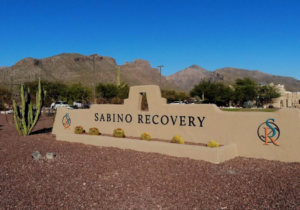
The physical setting should support calm. Outdoor space, natural surroundings, comfortable rooms, and unhurried rhythms all matter. So does daily structure that balances clinical work with rest, reflection, and time outdoors. Set on 140 acres in the Tucson desert, our environment offers quiet walking paths and open sky, which gives the body space to settle while the deeper work unfolds. The desert itself, with its silence and slowness, can become part of the healing.

Boutique versus large institutional programs: what the difference means for care

Larger programs often run on efficient, track-based models that work for high volume. Smaller programs can offer more individualized attention, deeper relationships with staff, and more responsive care. Neither is inherently better, but they offer different experiences. For someone with complex trauma, particularly someone who has not found relief in prior treatment, a smaller, more attentive setting often makes a meaningful difference.

Boutique trauma-focused programsLarger institutional programs
Smaller client population, more staff attentionHigher volume, more standardized programming
Individualized, co-created treatment plansTrack-based assignment to predetermined protocols
Frequent one-on-one sessions across disciplinesMore group-heavy schedules
Daily plan reviews and weekly adjustmentsLess frequent revision of treatment direction
Quieter, more contained physical environmentLarger, often busier facilities

Navigating Admissions: What a Thoughtful Process Looks Like

Reaching out for help is vulnerable. The way a program responds to that reach tells you a lot about how they will treat you once you arrive. Admissions is not just logistics. It is the first relationship.

Red flags and green flags in the admissions conversation

Green flags include unhurried conversation, careful listening, thoughtful questions about your history and goals, and honest answers when something is not a fit. Red flags include high pressure, vague answers, an emphasis on bed availability, or a sense that they are trying to close a sale rather than understand a person. If you feel rushed, that is information.

Questions to ask before committing to a program

A few questions worth asking: What does a typical day look like? How often will I meet one-on-one with my therapist? How is trauma specifically addressed in the clinical model? What modalities are used and how do they fit together? How is family involved? How is the treatment plan reviewed and adjusted? What happens when something is not working? What does support look like after I leave?

For those whose trauma history involves sexual abuse or other specialized concerns, it is also worth asking about clinicians with specific training and experience in that area. Programs that serve veterans and first responders often develop specialized approaches with culturally competent care for those populations, which may also be relevant to ask about depending on your background.

Understanding length of stay and what it means for trauma recovery

Trauma work takes time. While some programs offer 30-day formats, deeper trauma processing often benefits from longer stays, sometimes 45 to 60 days or more, depending on need. Short stays can stabilize. Longer stays allow for the layered work of processing, integration, and preparation for life beyond residential care. A thoughtful admissions team will help you think honestly about what length of stay matches the depth of what you are bringing, rather than fitting you to a fixed timeline.

If you are still learning about how trauma shows up and shifts during this kind of work, you may find it helpful to read about what the process of releasing trauma can look like in the body, and to explore more about our trauma-focused residential treatment approach.

Frequently Asked Questions

A trauma-informed program recognizes the prevalence of trauma and adjusts how staff interact with clients to avoid re-traumatization, while a trauma-specialized program builds its entire clinical model around treating trauma directly as a root cause. Trauma-specialized care includes clinicians trained in modalities like EMDR, somatic experiencing, and neurofeedback, and it treats co-occurring conditions like depression, anxiety, and substance use as expressions of underlying trauma. When evaluating a program, ask how trauma is specifically addressed in the clinical model and what training the team has in trauma-focused modalities.

Residential trauma treatment in Arizona commonly ranges from 30 to 60 days or longer, depending on the depth of trauma, co-occurring conditions, and individual needs. Shorter stays can support stabilization, while longer stays allow for the layered work of processing trauma, integrating new patterns, and preparing for life after treatment. The right length is best determined in conversation with a clinical team that takes time to understand your history and goals rather than fitting you to a fixed timeline.

Insurance coverage for residential trauma treatment in Arizona varies widely depending on your plan, the program, and medical necessity criteria. Many private insurance plans offer some level of out-of-network or in-network coverage for residential mental health care, and most programs have an admissions team that can verify benefits and explain costs before you commit. Asking detailed questions about coverage, deductibles, and any out-of-pocket expectations is a normal and appropriate part of the admissions process.

Modalities supported by clinical evidence for complex trauma include EMDR (Eye Movement Desensitization and Reprocessing), somatic experiencing, neurofeedback, and trauma-focused psychotherapy, often combined with body-based approaches like trauma-informed yoga and equine therapy. What matters most is not any single modality but how they are integrated within a coherent trauma-first philosophy, so that brain, body, and relational dimensions are addressed together. Effective treatment also accounts for nervous system regulation and pacing, since complex trauma often requires careful stabilization before deeper processing.

Yes, family involvement is often a meaningful part of residential trauma treatment because trauma frequently shapes relationships and family patterns. A strong family program includes education for family members about trauma, facilitated conversations to support communication and repair, and structured involvement that respects the client’s pace and autonomy. When evaluating a program, ask how family is incorporated, what kind of support and education family members receive, and how the team approaches boundaries and consent within family work.

Residential treatment may be the right level of care if outpatient therapy has not produced lasting relief, if symptoms are interfering significantly with daily functioning, if co-occurring conditions like substance use or severe depression are present alongside trauma, or if the demands of daily life are making sustained healing difficult. A thoughtful admissions conversation can help you assess whether residential care fits your needs, and a quality program will be honest if a different level of care would serve you better. Trusting your own sense that something deeper is needed is often the most important signal.

A Gentle Next Step

If any of this resonates with you, you do not have to figure out the next step alone. We are happy to listen, answer your questions, and help you think through whether our residential program might be a good fit for what you are carrying. You can reach out to our admissions team whenever you feel ready.

Accessibility Toolbar

What to Look for in a Residential Trauma Treatment Center in Arizona

Clinically Reviewed by: Stephanie Ballard PhD, LPCC, CADC

A quality residential trauma treatment center in Arizona is one that addresses trauma as the root of mental health and substance use challenges, offers genuinely individualized care, employs evidence-based modalities like EMDR and somatic experiencing, integrates medical and psychiatric support, and creates an environment where the nervous system can finally settle.

If you are reading this, you may already know that trauma is more than memory. It can shape how you sleep, how you connect, how your body holds tension, and how safe the world feels day to day. You may have tried programs before and felt like a chart number rather than a person. That experience matters, and it deserves a different kind of care.

This guide walks through what to look for when evaluating residential trauma programs in Arizona: the role of environment, what real clinical specialization looks like, how individualized planning should actually function, the importance of medical and family involvement, what privacy and comfort have to do with healing, and how to read the admissions process itself as a signal of program quality.

  • A true trauma-first residential program addresses unresolved trauma as the root of symptoms rather than treating diagnoses in isolation.
  • Genuine individualization requires frequent one-on-one sessions, co-created plans, and weekly responsiveness, not standardized tracks.
  • Evidence-based modalities like EMDR, somatic experiencing, and neurofeedback should work together within a coherent clinical philosophy.
  • Environment, privacy, and nervous system safety are clinical considerations in trauma recovery, not luxury amenities.
  • The admissions process itself reveals how a program will treat you, so pay attention to whether they listen carefully or move you through quickly.

Why the Right Environment Changes Everything

There is a particular kind of exhale that happens when your body recognizes safety. For someone who has been carrying trauma, that exhale can feel unfamiliar, even disorienting at first. It is often the first sign that healing has somewhere to land.

Trauma recovery does not happen in a vacuum. It happens within walls, on land, around people, and inside daily rhythms. The conditions surrounding you either help your nervous system settle or quietly keep it on alert. This is why setting is not an amenity in trauma care. It is part of the treatment.

How physical environment affects nervous system regulation

When the body has lived through trauma, the nervous system often stays braced. Polyvagal theory helps explain this: the autonomic nervous system continuously scans for cues of safety or threat, often below conscious awareness. Noise, crowding, harsh lighting, and chaotic schedules can keep someone in a state of hyperarousal or shutdown, which makes deeper therapeutic work difficult to access.

A calm, spacious environment offers different cues. Quiet, natural light, room to move, and predictable routines all signal to the body that it can begin to soften. That softening is not optional for trauma work. It is the precondition for it.

What 'trauma-informed environment' actually means in practice

The phrase trauma-informed gets used broadly, sometimes loosely. In a residential setting, it should mean something concrete. It means staff who are trained to recognize trauma responses and respond without judgment. It means physical spaces designed to reduce sensory overwhelm. It means schedules that include rest, not just programming. It means clients are given choices wherever possible, because choice is the opposite of what trauma takes away.

Why residential care offers something outpatient cannot

Outpatient therapy is meaningful, and it works well for many people. For others, especially those navigating complex trauma or co-occurring conditions, the demands of daily life can make sustained healing difficult. Residential treatment offers something different: a contained, supportive container where the nervous system can rest, where multiple therapies can be layered intentionally, and where the work of healing becomes the main focus rather than something squeezed between obligations.

Clinical Specialization: More Than a Checkbox

The word trauma-informed appears on nearly every behavioral health website. What it looks like in practice varies widely. Some programs treat trauma as one item on a longer list. Others build their entire clinical model around it. The difference matters more than marketing language tends to suggest.

The difference between trauma-informed and trauma-specialized care

Trauma-informed care is a baseline. It means recognizing trauma's prevalence and adjusting how staff interact with clients to avoid re-traumatization. Trauma-specialized care goes further. It means the clinical model itself is designed to treat trauma directly, with clinicians trained in modalities that address how trauma is stored in the brain and body. A trauma-specialized program does not just acknowledge trauma. It treats it as the root, with the understanding that depression, anxiety, substance use, and relationship struggles often grow from that root.

Evidence-based modalities to look for: EMDR, somatic experiencing, neurofeedback

There are several modalities that research and clinical practice have shown to be effective for trauma. EMDR, or Eye Movement Desensitization and Reprocessing, helps the brain reprocess traumatic memories so they no longer carry the same emotional charge. Somatic experiencing works with the body's stored stress responses, helping discharge what has been held physically. Neurofeedback uses real-time information about brain activity to help regulate states that have become stuck. Equine therapy and trauma-informed yoga offer experiential ways to reconnect with the body and with trust.

What matters is not just whether a program lists these modalities, but how they are integrated. A trauma-first program weaves them together within a coherent philosophy, so that what happens in EMDR is supported by what happens in somatic work, in psychiatric care, and in daily life on the property.

How complex trauma and co-occurring conditions should be addressed together

Many people arrive at residential care with more than one diagnosis. PTSD may sit alongside depression. Substance use may have developed as a way to manage overwhelm. Disordered eating may have been a survival strategy. Treating these as separate problems often misses the through-line. A trauma-first program treats co-occurring disorders as expressions of the same underlying nervous system pain, which allows for dual diagnosis care that addresses the whole picture rather than fragmenting it.

PTSD symptoms are commonly grouped into four clusters: re-experiencing, avoidance, negative changes in cognition and mood, and hyperarousal. A program worth choosing should be able to explain how its approach addresses all four, not just the most visible ones.

Questions to ask about a program's clinical team and training

When you talk to a program, ask who will be on your treatment team and what training they have specifically in trauma. Ask how often the clinical team meets to discuss your care. Ask whether they treat childhood and developmental trauma and how their approach differs for adult-onset trauma. The answers will tell you a great deal about whether trauma is a specialty or a label.

Individualized Treatment Planning: What It Really Looks Like

Think back, if you have been in treatment before. Did the plan feel built around you, or did it feel like you were placed into something that already existed? For many trauma survivors, the experience of being put on a track is one of the reasons earlier care did not stick. Standardized programming, however well-intentioned, often misses the specific shape of an individual's pain.

Why standardized tracks often fall short for trauma survivors

Trauma is not a single condition with a predictable course. Two people with similar histories may need very different things. One may need slow, careful pacing before any direct trauma work. Another may benefit from earlier somatic processing. A third may need to focus on stabilization, sleep, and nutrition before deeper work feels possible. Track-based programs cannot easily accommodate that range. They tend to deliver the same sequence of groups and sessions to everyone, regardless of where each person actually is.

What a truly individualized treatment plan includes

Genuine individualization is not a phrase. It is a structure. It includes a thorough assessment at intake that goes beyond diagnosis to understand history, body, relationships, and goals. It includes a treatment plan that is co-created with the client, not handed to them. It includes ongoing review, so the plan can adjust as the person changes. At Sabino, this looks like 10 or more one-on-one sessions per week with therapists, medical providers, dietitians, and integrative specialists, daily reviews of the plan, and weekly adjustments based on what is emerging.

The role of frequency and depth of one-on-one sessions

Group work has its place. It can be powerful for connection, normalization, and skill building. For trauma work specifically, however, the depth of one-on-one time matters. Healing the parts of you that learned to hide requires being seen, slowly and consistently, by someone trained to hold that process. If a program offers only a few individual sessions per week and fills the rest with groups, ask yourself whether that frequency matches the depth of what you are bringing.

How treatment plans should evolve throughout a stay

A good treatment plan is not a fixed document. It is a living one. As stabilization happens, the work may shift toward processing. As processing deepens, the focus may move toward integration and preparation for life after residential care. Family work, body-based modalities, and medication adjustments all shift in emphasis over time. Ask any program you are considering how often plans are reviewed and what triggers a change.

Are you wondering whether a program will actually see you as an individual? That question is worth asking out loud, and the answer should be specific, not abstract. You can reach out to our admissions team to talk about what individualized care could look like for your situation.

Medical and Psychiatric Support Within the Program

Trauma lives in the body as much as in the mind. Sleep, digestion, hormones, inflammation, chronic pain, and immune function are often affected by long-term nervous system dysregulation. Addressing trauma fully means addressing the physiology too, not just the psychology.

Psychiatric evaluation and medication management in trauma care

A thorough psychiatric evaluation at the start of treatment helps clarify what is happening and what kind of support might help. For some, medication plays a meaningful role in stabilization, particularly when sleep, mood, or anxiety are severely disrupted. For others, the focus may be on careful adjustment of existing medications, or on understanding which medications may be interfering rather than helping. Medication should be one tool among many, prescribed thoughtfully and reviewed regularly, never used as a substitute for the deeper work.

Integrative and naturopathic approaches that complement clinical treatment

Integrative medicine recognizes that nutrition, movement, sleep, and biochemistry all influence mental health. A strong residential program brings together psychiatric care with integrative approaches such as targeted nutritional support, naturopathic consultation, and body-based therapies. These are not alternatives to clinical care. They are complements that support the body's capacity to heal alongside the therapeutic work. Some programs in Arizona offer 30-day all-inclusive formats that emphasize natural and holistic approaches woven into clinical modalities, and the quality varies, so it is worth asking how integrative care is actually delivered and supervised.

How medical and therapeutic teams should communicate and collaborate

In fragmented care, the therapist does not know what the psychiatrist prescribed, and the dietitian does not know what came up in EMDR. In integrated care, the team meets, talks, and adjusts together. Ask how often the team communicates about your care. Ask whether your therapist and psychiatrist coordinate directly. The answer tells you whether you are entering a system or a series of disconnected appointments.

Family Involvement and Relational Healing

Some of the most important healing happens not just within the individual, but within the relationships that surround them. Trauma shapes how we connect, how we trust, how we ask for what we need, and how we receive care. Recovery, then, is rarely a solo project.

Why trauma recovery is relational, not just individual

Family systems therapy and decades of clinical experience point to the same truth: people heal in context. The patterns that developed in response to trauma often live within relationships, particularly family ones. When those relationships are part of the healing process, change tends to be deeper and more lasting. When they are left out, the individual may make progress in treatment only to return to dynamics that pull them back.

What a meaningful family program looks like

A meaningful family program is more than a single visit day. It includes education for family members about trauma and how it shapes behavior. It includes facilitated conversations that help repair communication. It includes ongoing involvement when clinically appropriate, with the pace and depth determined by the client. It treats family as part of the healing system, not as visitors.

How to evaluate a center's approach to family communication and education

Ask how the program involves family. Ask what kind of education and support family members receive. Ask how the team thinks about boundaries, consent, and the client's autonomy within family work. A program that takes this seriously will have a thoughtful, structured answer, not a vague gesture toward family weekends.

Privacy, Comfort, and the Conditions That Support Healing

For many people, the idea of residential treatment brings up real fear about what daily life will actually feel like. Will I have privacy? Will I feel like myself? Will I be treated with dignity? These are not superficial questions. They are clinical ones.

Why privacy matters in trauma treatment

Privacy supports trust, and trust is the foundation of trauma work. When clients feel exposed, scrutinized, or surveilled, the nervous system stays guarded. When they feel they have space to be themselves, to rest, and to process at their own pace, the work goes deeper. Privacy also matters because many people who consider residential care have professional, family, or community lives they need to protect. A program that takes confidentiality seriously is one that respects the full shape of your life.

What to look for in the physical setting and daily structure

The physical setting should support calm. Outdoor space, natural surroundings, comfortable rooms, and unhurried rhythms all matter. So does daily structure that balances clinical work with rest, reflection, and time outdoors. Set on 140 acres in the Tucson desert, our environment offers quiet walking paths and open sky, which gives the body space to settle while the deeper work unfolds. The desert itself, with its silence and slowness, can become part of the healing.

Boutique versus large institutional programs: what the difference means for care

Larger programs often run on efficient, track-based models that work for high volume. Smaller programs can offer more individualized attention, deeper relationships with staff, and more responsive care. Neither is inherently better, but they offer different experiences. For someone with complex trauma, particularly someone who has not found relief in prior treatment, a smaller, more attentive setting often makes a meaningful difference.

Boutique trauma-focused programsLarger institutional programs
Smaller client population, more staff attentionHigher volume, more standardized programming
Individualized, co-created treatment plansTrack-based assignment to predetermined protocols
Frequent one-on-one sessions across disciplinesMore group-heavy schedules
Daily plan reviews and weekly adjustmentsLess frequent revision of treatment direction
Quieter, more contained physical environmentLarger, often busier facilities

Navigating Admissions: What a Thoughtful Process Looks Like

Reaching out for help is vulnerable. The way a program responds to that reach tells you a lot about how they will treat you once you arrive. Admissions is not just logistics. It is the first relationship.

Red flags and green flags in the admissions conversation

Green flags include unhurried conversation, careful listening, thoughtful questions about your history and goals, and honest answers when something is not a fit. Red flags include high pressure, vague answers, an emphasis on bed availability, or a sense that they are trying to close a sale rather than understand a person. If you feel rushed, that is information.

Questions to ask before committing to a program

A few questions worth asking: What does a typical day look like? How often will I meet one-on-one with my therapist? How is trauma specifically addressed in the clinical model? What modalities are used and how do they fit together? How is family involved? How is the treatment plan reviewed and adjusted? What happens when something is not working? What does support look like after I leave?

For those whose trauma history involves sexual abuse or other specialized concerns, it is also worth asking about clinicians with specific training and experience in that area. Programs that serve veterans and first responders often develop specialized approaches with culturally competent care for those populations, which may also be relevant to ask about depending on your background.

Understanding length of stay and what it means for trauma recovery

Trauma work takes time. While some programs offer 30-day formats, deeper trauma processing often benefits from longer stays, sometimes 45 to 60 days or more, depending on need. Short stays can stabilize. Longer stays allow for the layered work of processing, integration, and preparation for life beyond residential care. A thoughtful admissions team will help you think honestly about what length of stay matches the depth of what you are bringing, rather than fitting you to a fixed timeline.

If you are still learning about how trauma shows up and shifts during this kind of work, you may find it helpful to read about what the process of releasing trauma can look like in the body, and to explore more about our trauma-focused residential treatment approach.

Frequently Asked Questions

A trauma-informed program recognizes the prevalence of trauma and adjusts how staff interact with clients to avoid re-traumatization, while a trauma-specialized program builds its entire clinical model around treating trauma directly as a root cause. Trauma-specialized care includes clinicians trained in modalities like EMDR, somatic experiencing, and neurofeedback, and it treats co-occurring conditions like depression, anxiety, and substance use as expressions of underlying trauma. When evaluating a program, ask how trauma is specifically addressed in the clinical model and what training the team has in trauma-focused modalities.

Residential trauma treatment in Arizona commonly ranges from 30 to 60 days or longer, depending on the depth of trauma, co-occurring conditions, and individual needs. Shorter stays can support stabilization, while longer stays allow for the layered work of processing trauma, integrating new patterns, and preparing for life after treatment. The right length is best determined in conversation with a clinical team that takes time to understand your history and goals rather than fitting you to a fixed timeline.

Insurance coverage for residential trauma treatment in Arizona varies widely depending on your plan, the program, and medical necessity criteria. Many private insurance plans offer some level of out-of-network or in-network coverage for residential mental health care, and most programs have an admissions team that can verify benefits and explain costs before you commit. Asking detailed questions about coverage, deductibles, and any out-of-pocket expectations is a normal and appropriate part of the admissions process.

Modalities supported by clinical evidence for complex trauma include EMDR (Eye Movement Desensitization and Reprocessing), somatic experiencing, neurofeedback, and trauma-focused psychotherapy, often combined with body-based approaches like trauma-informed yoga and equine therapy. What matters most is not any single modality but how they are integrated within a coherent trauma-first philosophy, so that brain, body, and relational dimensions are addressed together. Effective treatment also accounts for nervous system regulation and pacing, since complex trauma often requires careful stabilization before deeper processing.

Yes, family involvement is often a meaningful part of residential trauma treatment because trauma frequently shapes relationships and family patterns. A strong family program includes education for family members about trauma, facilitated conversations to support communication and repair, and structured involvement that respects the client's pace and autonomy. When evaluating a program, ask how family is incorporated, what kind of support and education family members receive, and how the team approaches boundaries and consent within family work.

Residential treatment may be the right level of care if outpatient therapy has not produced lasting relief, if symptoms are interfering significantly with daily functioning, if co-occurring conditions like substance use or severe depression are present alongside trauma, or if the demands of daily life are making sustained healing difficult. A thoughtful admissions conversation can help you assess whether residential care fits your needs, and a quality program will be honest if a different level of care would serve you better. Trusting your own sense that something deeper is needed is often the most important signal.

A Gentle Next Step

If any of this resonates with you, you do not have to figure out the next step alone. We are happy to listen, answer your questions, and help you think through whether our residential program might be a good fit for what you are carrying. You can reach out to our admissions team whenever you feel ready.

Table of Contents

Table of Contents