
When depression or anxiety hasn’t improved despite medication, therapy or other treatments, it can be difficult to know what to try next. For some people, unresolved trauma may be contributing to persistent symptoms, even when they haven’t previously considered trauma treatment.
Residential treatment centers approach trauma-related depression and anxiety differently. Some emphasize diagnostic assessment and psychiatric stabilization, while others combine trauma therapy with medical care, nervous system regulation and integrative treatments.
This guide profiles six residential treatment providers, assessed on root-cause assessment, measured symptom outcomes, psychiatric and integrative care, individualized treatment intensity and restorative environments. The rankings reflect published program information and the criteria below, rather than independently established superiority in treatment outcomes.
How the Best Residential Treatment Centers for Anxiety and Depression Stemming From Trauma Were Evaluated
A center’s approach to residential depression treatment and residential anxiety treatment can shape everything from the initial assessment to the therapies a client receives each week. The evaluation considers five factors, with particular attention to how programs address underlying trauma and support individuals whose symptoms have persisted despite previous treatment.
Where comparable data were unavailable, ratings reflect the published program features rather than assumed effectiveness.
| Criteria | What It Means |
|---|---|
| Root-Cause Assessment | Whether the program looks for trauma beneath depression and anxiety rather than treating symptoms alone. |
| Measured Outcomes | Whether the center publishes intake-to-discharge symptom data for depression and anxiety. |
| Psychiatric and Integrative Care | Psychiatric oversight combined with integrative medicine and mind-body options. |
| Individualized Care Intensity | Weekly one-on-one time and how often the care plan is adjusted. |
| Restorative Environment | Setting, sleep support and space to step away from daily stressors. |
Best Residential Treatment Centers for Anxiety and Depression Rooted in Trauma: 2026 Rankings
| Rank | Treatment Center | Root-Cause Assessment | Measured Outcomes | Psychiatric and Integrative Care | Individualized Care Intensity | Restorative Environment |
|---|---|---|---|---|---|---|
| 1 | Sabino Recovery | Excellent. Trauma assessed beneath symptoms | Excellent. Depression symptoms dropped from 71% to 12% | Excellent. Psychiatrists plus naturopathic doctor | Excellent. Plans reviewed daily, adjusted weekly | Excellent. 140-acre private desert retreat |
| 2 | Lindner Center of Hope | Excellent. Comprehensive psychiatric and diagnostic evaluation | Good. Published outcomes; none specific to trauma | Strong. Psychiatric care and specialized treatments | Strong. Diagnostic feedback and individualized care | Strong. Walking paths and gardens. |
| 3 | Rogers Behavioral Health | Strong. Diagnosis-specific behavioral assessments | Strong. Published continuum-of-care outcomes | Strong. Psychiatry and evidence-based therapies | Good. Structured individualized programming | Good. Wisconsin residential campuses |
| 4 | The Menninger Clinic | Strong. Psychiatric assessment and trauma treatment | Strong. Published anxiety and depression outcomes | Strong. Psychiatry and behavioral therapies | Good. Twice-weekly individual therapy in Bridge | Good. Private rooms on 50-acre Houston campus |
| 5 | Pasadena Villa | Good. Mental health and trauma evaluations | Strong. Has published clinical outcomes data | Good. Psychiatry and experiential therapies | Good. Individual and group treatment | Strong. Smoky Mountain residential setting |
| 6 | Cottonwood Tucson | Strong. Multidisciplinary and trauma assessments | Fair. Comparable figures not available publicly | Strong. Psychiatry and holistic therapies | Fair. Individual therapy and daily programming | Strong. Tucson residential campus |
Ratings range from Excellent to Fair and reflect how extensively each center publicly documents these services. A lower rating does not necessarily indicate lower clinical quality. The table evaluates published program features, not comparative recovery rates. Therapy availability, frequency and individual suitability should be confirmed with each admissions team.
1. Sabino Recovery, for Trauma-First Depression and Anxiety Treatment With Substantial Outcomes Data
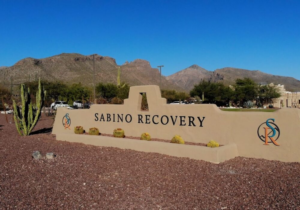
Sabino Recovery is a trauma-first treatment center for residential depression treatment and anxiety treatment, among other conditions. It is located in Tucson, Arizona. Unlike programs that primarily organize treatment around individual diagnoses, Sabino begins by examining the experiences and underlying factors that may contribute to persistent symptoms. Sabino treats trauma as the root cause of mental health and substance use struggles, rather than treating symptoms and substance use as separate problems. Clients receive 10 or more individual sessions per week across therapy, medical care, nutrition, and integrative services, well above the one or two weekly sessions typical of many programs. Sabino’s clinical team includes board-certified psychiatrists, a naturopathic medical doctor, neurotherapists, licensed master’s-level, trauma-trained therapists, and a sleep medicine doctor, combining psychiatric and integrative medicine under one roof.
For individuals seeking help with treatment-resistant depression or anxiety, Sabino’s approach provides an opportunity to explore whether untreated trauma, sleep problems or other contributing factors have been overlooked. Care plans are reviewed daily and adjusted weekly, with access to more than 25 client-chosen therapies. The center also tracks changes in client-reported symptoms during residential care:
- Sabino clients report an average reduction in depression symptoms from 71% at intake to 12% at discharge.*
- Sabino clients report an average reduction in anxiety symptoms from 64% at intake to 14% at discharge.*
*These figures are from Sabino’s 2026 data and describe intake-to-discharge symptom reporting, not long-term remission rates.
Program at a Glance:
- Location: Tucson, Arizona
- Treatment Focus: Trauma-related depression, anxiety and co-occurring conditions
- Clinical Approach: Trauma-first, 10+ individual sessions weekly, daily plan reviews
- Medical Team: Psychiatrists, naturopathic doctor, neurotherapists and sleep medicine doctor
- Therapies: More than 25 integrative psychiatry modalities, such as EMDR, DBR, somatic experiencing, neurofeedback, equine therapy, acupuncture, massage
- Outcomes: Average depression symptoms 71% to 12%; anxiety symptoms 64% to 14%
- Setting: Sabino’s Sonoran Desert setting, with walking trails and horseback rides through the canyon, gives clients space to step away from daily pressures and focus on healing.
| Summary of Online Reviews |
|---|
| Former clients describe the program’s personalized approach, with one reviewer praising the “valuable one-on-one sessions” that are used to help process individual traumatic experiences. Another former resident says that the, “therapists knew my story, inside and out” and provided a safe space to work through years of trauma. A third reviewer credits Sabino’s “integrative psychiatry approach” that helped them “connect the dots” between past trauma and anxiety. |
2. Lindner Center of Hope, for Comprehensive Psychiatric Assessment
Lindner Center of Hope operates Sibcy House, an adult residential assessment and treatment program in Mason, Ohio. It serves patients 18 and older who have complex mental health concerns, including depression, anxiety, trauma and co-occurring conditions. The program includes a 10-day comprehensive diagnostic assessment and extended residential treatment options, including a 28-day program. The 10-day assessment may include neuropsychological testing, specialty assessments and psychiatric observation. Treatment incorporates individual and group therapy, dialectical behavior therapy (DBT) and exposure and response prevention (ERP) when appropriate.
Program at a Glance:
- Location: Mason, Ohio, near Cincinnati
- Treatment Focus: Depression, anxiety, trauma, complex psychiatric conditions and co-occurring disorders
- Clinical Approach: 10-day comprehensive diagnostic assessment, followed by individualized residential treatment options
- Medical Team: Psychiatrists, psychologists, psychiatric nurses and multidisciplinary assessment specialists
- Therapies: CBT, DBT, ERP, individual and group therapy, family therapy and medication management
- Outcomes: Publishes patient outcomes data; none specific to trauma-related anxiety and depression
- Setting: Sibcy House residential facility with private rooms, walking paths, gardens and fitness amenities
| Summary of Online Reviews |
|---|
| Former patients describe the center as “a safe place to land,” and praise the “outstanding doctors and staff” and the treatment tools they received. Some reviewers share, “the patient-to-staff ratio seemed high.” |
3. Rogers Behavioral Health, for Structured Depression and Anxiety Treatment
Rogers Behavioral Health operates residential programs in Oconomowoc, Wisconsin, for adults and younger populations experiencing depression, anxiety, obsessive-compulsive disorder (OCD), trauma-related conditions and other mental health concerns. Its residential services typically involve stays of 30 to 90 days, with program-specific differences in eligibility and therapeutic approaches. Treatment includes individualized care planning, group therapy and evidence-based behavioral interventions, including CBT and exposure-based approaches where appropriate. Rogers provides residential treatment in staffed, home-like settings.
Program at a Glance:
- Location: Oconomowoc and other Wisconsin residential locations
- Treatment Focus: Depression, anxiety, OCD, trauma-related conditions and co-occurring mental health disorders
- Clinical Approach: Structured, diagnosis-specific residential treatment with measurement-based assessments and individualized behavioral interventions
- Medical Team: Psychiatrists, psychologists, psychiatric nurses, behavioral specialists and licensed therapists
- Therapies: CBT, DBT, exposure and response prevention, behavioral activation, individual and group therapy, experiential therapy and medication management
- Outcomes: Published clinical outcomes research that shows those who complete the full continuum of care are more likely to sustain their gains.
- Setting: Staffed residential programs on Wisconsin campuses, with program-specific accommodations and therapeutic spaces
| Summary of Online Reviews |
|---|
| Former residents describe “learning practical coping strategies through CBT,” and say “the staff make you feel like more than just a patient.” However, others note that there is “limited individual attention.” |
4. The Menninger Clinic, for Step-Down Residential Care
The Menninger Clinic in Houston, Texas, offers the Bridge Program for Adults, a residential program for individuals moving from inpatient to a lower level of care or seeking more support than traditional outpatient services. The program treats depression, anxiety, trauma, treatment-resistant mood disorders and co-occurring substance use disorders. Patient stays generally last 30 to 60 days. Its 21-resident setting provides private rooms, group treatment, twice-weekly individual therapy, psychiatry, medication management and family therapy. Cognitive behavioral therapy (CBT), acceptance and commitment therapy (ACT) and other approaches are included according to clinical need.
Program at a Glance:
- Location: Houston, Texas
- Treatment Focus: Depression, anxiety, trauma, complex psychiatric disorders and co-occurring substance use conditions
- Clinical Approach: Multidisciplinary psychiatric assessment, individualized treatment planning, twice-weekly individual therapy and structured group programming in the Bridge Program
- Medical Team: Psychiatrists, psychologists, psychiatric nurses, social workers and clinical therapists
- Therapies: CBT, ACT, DBT-informed interventions, individual and group psychotherapy, family therapy and medication management
- Outcomes: Improvements seen across anxiety and depression.
- Setting: Residential therapeutic community with private rooms on a Houston psychiatric campus
| Summary of Online Reviews |
|---|
| Former patients mention “the nursing staff was caring,” and note “I felt challenges in ways that helped me.” Critical reviewers raise concerns about the treatment experience, including one who described the inpatient unit as “very restrictive.” |
5. Pasadena Villa, for Social Reintegration
Pasadena Villa offers residential psychiatric treatment for adults 18 and older at Smoky Mountain Lodge in Sevierville, Tennessee, near the Great Smoky Mountains National Park. The program has additional residential locations in other states. Pasadena Villa serves individuals with depression, anxiety, trauma-related conditions, mood disorders and co-occurring substance use disorders. Its Social Integration Model combines individual and group therapy with practical skill-building activities. Available therapies include CBT, DBT, acceptance and commitment therapy, family therapy, art and music therapy, and recreational programming. Program length is individualized.
Program at a Glance:
- Location: Sevierville, Tennessee (Smoky Mountain Lodge); additional residential locations in other states
- Treatment Focus: Depression, anxiety, trauma-related conditions, mood disorders and co-occurring substance use disorders
- Clinical Approach: Social Integration Model combining individualized psychiatric treatment, structured group therapy and practical life-skills development
- Medical Team: Psychiatrists, psychiatric nurses, licensed therapists and behavioral health professionals
- Therapies: CBT, DBT, ACT, individual and group therapy, family therapy, art and music therapy, animal-assisted therapy and recreational programming
- Outcomes: Published clinical outcomes data in 2025.
- Setting: Residential campus near Great Smoky Mountains National Park with mountain views and indoor and outdoor therapeutic spaces
| Summary of Online Reviews |
|---|
| Former residents appreciate “the combination of group therapy and individualized treatment.” Another former client says the program helped them develop “coping skills that actually work.” Some critical reviewers describe “way too much free time” during their stay. |
6. Cottonwood Tucson, for Holistic Mental Health Therapy
Cottonwood Tucson is a residential behavioral health treatment center in Tucson, Arizona, serving adults with primary mental health conditions, including depression, anxiety and PTSD, as well as individuals with co-occurring substance use disorders. Residential stays generally last approximately six weeks, depending on individual needs. The program uses multidisciplinary assessment, individual and group therapy, EMDR, somatic experiencing, trauma therapy, experiential activities, nutrition programming and yoga. Its services also include a separate seven-day comprehensive assessment program.
Program at a Glance:
- Location: Tucson, Arizona
- Treatment Focus: Depression, anxiety, PTSD, trauma, substance use disorders and co-occurring conditions
- Clinical Approach: Multidisciplinary assessment and integrated residential treatment combining psychiatric care, trauma therapy and holistic interventions
- Medical Team: Psychiatrists, psychologists, nurses, therapists and nutrition professionals
- Therapies: EMDR, somatic experiencing, individual and group therapy, experiential therapy, yoga, nutrition counseling and mindfulness-based interventions
- Outcomes: Not publicly available
- Setting: Residential campus in the Sonoran Desert foothills with outdoor recreation and wellness amenities
| Summary of Online Reviews |
|---|
| Former residents describe the staff as “professional and friendly.” Another former client says the program gave them “space to process trauma.” Some critical reviewers raise concerns about communication and responsiveness, including one who reported submitting “many grievance forms before receiving a response from management.” |
Best Treatment Centers by Specialty
Different residential programs may be appropriate depending on whether a person needs a deeper diagnostic evaluation, integrated mind-body therapies or evidence of symptom changes during treatment.
Best for Measured Depression and Anxiety Outcomes
| Rank | Treatment Center | Why It Stands Out |
|---|---|---|
| 1 | Sabino Recovery | Sabino’s 2026 data shows average reductions in depression symptoms from 71% to 12% and anxiety symptoms from 64% to 14%, intake to discharge. |
| 2 | Rogers Behavioral Health | Published clinical outcomes research showing those who complete a full continuum of care are more likely to sustain gains. |
| 3 | The Menninger Clinic | Improvements seen across anxiety and depression. |
Best for Integrative Mind-Body Care
| Rank | Treatment Center | Why It Stands Out |
|---|---|---|
| 1 | Sabino Recovery | Offers more than 25 client-chosen therapeutic options, including neurofeedback and sleep medicine services. |
| 2 | Cottonwood Tucson | Incorporates EMDR, somatic experiencing, yoga, nutrition and experiential therapies. |
| 3 | Pasadena Villa | Includes recreational, expressive and experiential interventions alongside psychiatric treatment. |
Best for Comprehensive Diagnostic Assessment
| Rank | Treatment Center | Why It Stands Out |
|---|---|---|
| 1 | Lindner Center of Hope | Offers a defined 10-day comprehensive diagnostic assessment, including neuropsychological and specialty evaluations. |
| 2 | Sabino Recovery | Combines psychiatric, integrative medical and sleep-related assessment at intake. |
| 3 | Cottonwood Tucson | Offers a separate seven-day comprehensive assessment program. |
Finding the Right Treatment for Persistent Anxiety and Depression
When depression or anxiety continues despite previous care, it may be worth exploring whether unresolved trauma or other contributing factors need more attention. Residential programs differ in how they assess those factors, how much individualized care they provide and how they measure progress.
For individuals looking beyond symptom management, trauma-first treatment offers one approach to examining underlying experiences while integrating psychiatric, therapeutic and supportive care.
If depression or anxiety hasn’t eased with past treatment, Sabino Recovery’s admissions team can help you explore whether trauma is part of the picture.
FAQ
Can trauma cause depression and anxiety?
Yes. Trauma can contribute to both conditions, although not all depression or anxiety is trauma-related. Sabino treats trauma as the root cause of mental health and substance use struggles, rather than treating symptoms and substance use as separate problems.
What if antidepressants or therapy haven’t worked?
Previous treatment not providing lasting relief does not mean further improvement is impossible. A comprehensive residential assessment can explore factors that may have been missed, including trauma, sleep disturbances, psychiatric conditions and medical concerns.
Does insurance cover residential treatment for depression?
Coverage depends on the insurance policy, medical necessity and treatment provider. Sabino Recovery offers private-pay treatment and works with PPO and select out-of-network benefits, and its admissions team can help verify eligibility.
This ranking of residential treatment centers for the treatment of anxiety and depression that stems from trauma is derived from publicly available information and independent third-party research conducted between January 2026 and October 2026. It is provided for informational purposes only and should not be interpreted as professional treatment guidance or a formal recommendation. Summaries of online reviews are paraphrased from publicly available reviews on platforms such as Google, and quoted phrases reflect the sentiment of those reviews rather than verbatim text. Clinical approach, treatment structure, available therapies, setting and continuing care may be subject to change, so those interested should confirm details directly with each facility. For more information on Sabino Recovery, visit https://www.sabinorecovery.com/.