EMDR therapy is an evidence-based approach that helps the brain reprocess distressing memories, and at Sabino Recovery it is offered within an individualized, trauma-first residential treatment program for adults living with PTSD, complex trauma, and co-occurring substance use.
If you have tried other approaches and still feel weighed down by memories, reactions, or patterns that will not settle, you are not alone. Many people arrive at Sabino carrying trauma that has shaped how they feel, cope, and relate for years. EMDR can help loosen that grip in a way that talk alone often cannot.
This page walks through what EMDR is, how it works, what to expect in sessions, and how it fits into a broader personalized care plan on our 140-acre desert campus in Tucson, Arizona. It also explains why our trauma-first model, integrative therapies, and depth of one-on-one support may be the right fit for lasting change.

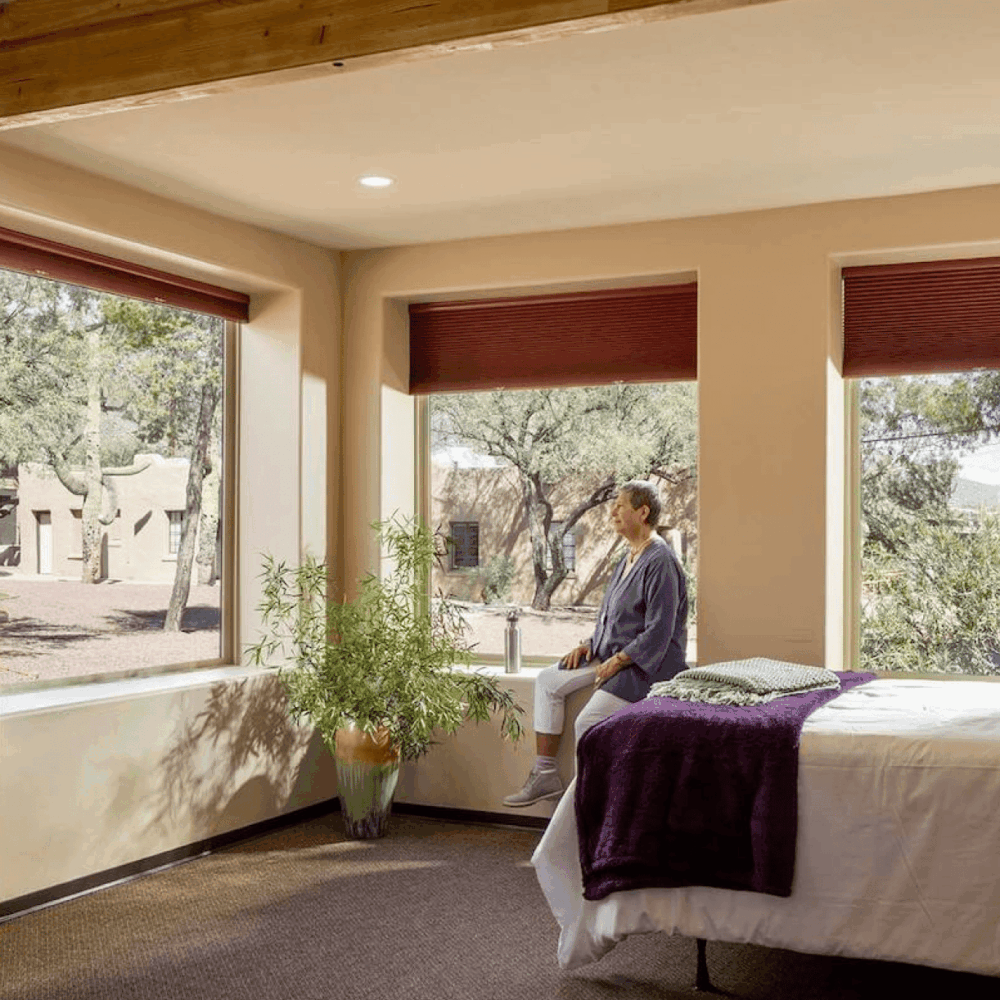
EMDR at Sabino is delivered inside a full residential experience, not as a one-off appointment. That container matters. You have time, safety, and clinical support built around each session, which makes deeper work possible.
The Eight Phases of EMDR: A Structured Path Through Trauma
EMDR follows eight phases: history-taking and treatment planning, preparation, assessment, desensitization, installation, body scan, closure, and reevaluation. In practice, your therapist spends real time building trust, teaching grounding skills, and identifying target memories before any reprocessing begins. Sessions end with closure so you leave regulated, not raw.
Length of Stay: One Individualized Residential Program
Sabino offers a single residential trauma treatment program with a 35-day minimum stay that may extend up to 90 days when clinically appropriate. Length of stay is determined and adjusted with your care team, not chosen from a menu. Some clients complete meaningful EMDR work within their initial weeks, while others benefit from additional time for pacing, integration, and complex trauma processing. Explore our full residential treatment program to see how the model works.
One-on-One Clinical Support Throughout Your Stay
Clients at Sabino receive 10 or more one-on-one sessions each week with therapists, medical providers, dietitians, and integrative specialists, totaling more than 50 personalized touchpoints during a 35-day stay. That depth allows EMDR to sit inside a broader web of support rather than standing alone.
How Your Treatment Plan Is Built and Adjusted
Your treatment plan is co-created with your care team, reviewed daily, and adjusted weekly. If EMDR is moving quickly, we deepen it. If your nervous system needs more stabilization first, we honor that. Nothing is templated.
EMDR Therapy for PTSD, Complex Trauma, and Dual Diagnosis Care
Many people who consider EMDR have already tried therapy, medication, or shorter programs and still feel that something underneath has not been touched. That is often trauma, quietly shaping mood, sleep, relationships, and how you cope. EMDR offers a clinically grounded way to work with those root experiences rather than only managing what shows up on the surface.
At Sabino Recovery, EMDR is not a standalone service you book on its own. It is one meaningful piece of an individualized residential treatment plan, delivered by licensed therapists trained in the modality and integrated with the rest of your care.
How Sabino’s Trauma-First Approach Shapes EMDR Care
Our trauma-first philosophy means we look beyond the diagnosis to understand what has happened to you, not only what is wrong. EMDR fits naturally within that lens because it works directly with the memories and body responses that trauma leaves behind. Your therapist paces the work carefully, ensuring you feel resourced and safe before moving into deeper reprocessing.
Reaching Out to Our Team
Wondering whether EMDR could help with what you have been carrying? Our admissions team can talk you through how the therapy is used within our program and whether residential care is a fit. You can contact us to start a private conversation, no commitment required.
What EMDR Therapy Is and How It Supports Trauma Healing
Eye Movement Desensitization and Reprocessing, or EMDR, is a structured therapy developed by psychologist Francine Shapiro in the late 1980s. It helps the brain do what it could not fully do at the time of a traumatic event: process the experience so it can be stored as a memory rather than relived as a present threat.
The Role of Bilateral Stimulation in Memory Reprocessing
EMDR uses bilateral stimulation, such as guided eye movements, gentle tapping, or auditory cues, while you focus briefly on a distressing memory. This dual attention appears to help the nervous system move a stuck memory from a reactive state into a settled, integrated one. The intensity of the memory often softens, and the beliefs attached to it can shift.
EMDR for PTSD: What the Research Supports
EMDR is recognized as an effective treatment for post-traumatic stress and is widely used for combat trauma, assault, medical trauma, and single-incident events. Symptoms like flashbacks, hypervigilance, and emotional numbing can begin to loosen as memories are reprocessed. For a plain-language walk-through, you can explore how EMDR therapy for PTSD works.
EMDR for Complex Trauma and Co-Occurring Conditions
Complex trauma, sometimes called C-PTSD, develops from prolonged or repeated experiences, often beginning in childhood or long-term relationships. It rarely responds to a single-focus approach. EMDR for complex trauma is typically slower, more resourced, and paced alongside other supports. You can read more about how long EMDR may take for complex trauma as you consider what your own healing timeline could look like.
How EMDR Differs from Traditional Talk Therapy
Traditional talk therapy relies heavily on narrative and insight. EMDR includes those elements but also engages the body and the brain’s own reprocessing systems. You do not have to describe every detail out loud, which can be a relief for anyone who finds it painful or destabilizing to recount their history. If you want a broader overview, you can learn more about what EMDR trauma therapy is and how it works.
How EMDR May Fit Into Your Individualized Care Plan
EMDR rarely works in isolation for complex clients. It works best when the body, brain, and relational system are supported alongside it.
Pairing EMDR with Somatic and Body-Based Therapies
Somatic experiencing and other body-based approaches help release the physical residue of trauma that memory work alone may not reach. Many clients find that combining EMDR with somatic work creates a more complete sense of relief.
EMDR and Neurofeedback for Nervous System Support
Neurofeedback offers a brain-based way to build regulation, focus, and calm. When paired with EMDR, it can create more stability between sessions, especially for clients whose nervous systems have been in a chronic state of alarm.
Integrating EMDR with Psychiatric and Medical Care
Sabino combines naturopathic and allopathic medicine with evidence-based therapies. Your psychiatric provider, medical team, and therapist coordinate care so that medications, sleep, nutrition, and trauma work all support one another rather than pulling in different directions.
Family Programming as Part of the Healing Process
Trauma affects relationships, and relationships can support healing. Our family programming helps loved ones understand what you are working through and how to move forward together in a healthier way.
How Sabino’s Approach Differs from Symptom-Focused Treatment
Many programs focus primarily on stabilizing symptoms or addressing addiction as the central issue. That approach has its place, but for people whose struggles are rooted in trauma, it can leave the underlying pattern untouched.
Beyond Symptom Management: Addressing Root Causes
At Sabino, we look for the story beneath the symptom. Anxiety, depression, and substance use are frequently the surface expression of unresolved trauma or nervous system dysregulation. Healing at the root tends to produce changes that hold.
Why Track-Based Programs May Fall Short for Complex Trauma
Track-based programs group clients into predetermined pathways. Complex trauma rarely fits a preset track. Our care is co-created and responsive, adjusting as you move through your stay, so the treatment can meet you where you actually are.
The Difference a Trauma-First Lens Makes in EMDR Care
When EMDR is delivered inside a trauma-first environment, pacing, safety, and integration are built into the whole day, not only into the session. That is often what allows EMDR to do its deepest work.
Why Sabino Recovery for EMDR and Trauma Treatment
We are a boutique residential program built for people who want depth, not a template. Everything about our setting and structure is designed to support meaningful trauma work.
A Trauma-First Philosophy That Goes Beyond the Diagnosis
Our clinicians treat you as a whole person with a history, not a label. That orientation shapes how EMDR is offered and how it is woven into the rest of your care.
Truly Individualized Care: 10+ One-on-One Sessions Per Week
With more than 10 one-on-one sessions each week, you receive the kind of clinical attention that lets EMDR and other therapies work together rather than compete for time.
A Calm, Private Desert Setting That Supports Deep Healing
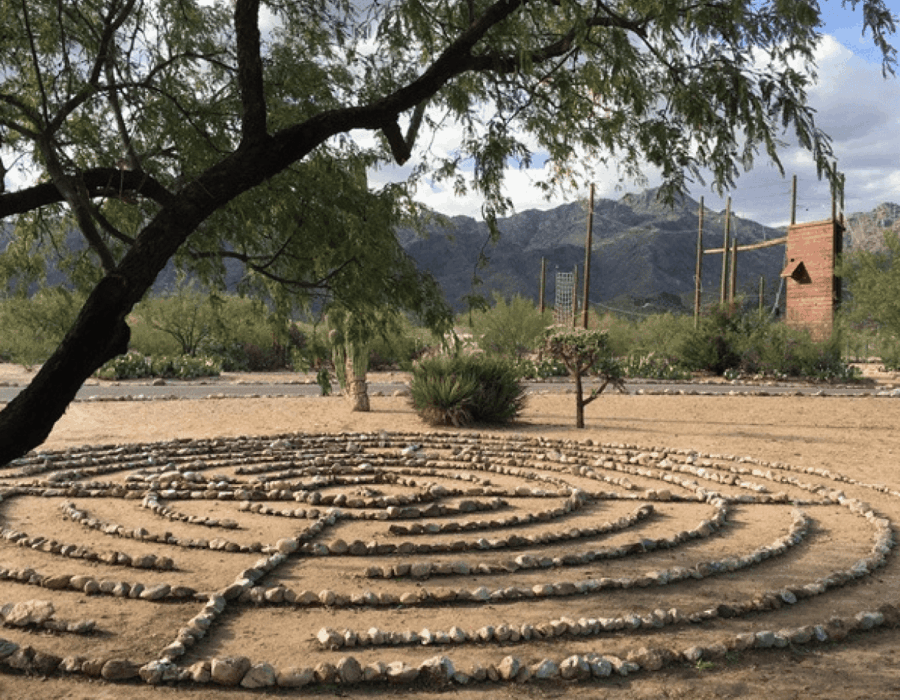
Our 140-acre desert campus in Tucson, Arizona offers quiet, privacy, walking trails, and open sky. The environment itself supports nervous system regulation, which is often the foundation of trauma recovery.
Naturopathic and Allopathic Medicine Working Together
We combine naturopathic and allopathic medicine with evidence-based therapies including EMDR. That integrated model helps address sleep, nutrition, hormones, brain function, and mental health as one interconnected system.
Nationally Recognized & Accredited



Contact our Admissions Team Today



EMDR and Substance Abuse
EMDR has been shown to be effective in treating substance use disorders and unresolved traumas as dysfunctional behaviors, such as substance abuse, can often be traced back to underlying trauma. EMDR therapy helps patients process and resolve these traumas, leading to a reduction in the urge to use drugs or alcohol.
This modality is especially effective in helping individuals heal from addiction when combined with other forms of therapy, such as cognitive-behavioral therapy (CBT) or dialectical behavior therapy (DBT). These therapies can help patients develop coping mechanisms for dealing with mental illness that may contribute to substance use.
EMDR therapy can also be used to treat mental disorders that often co-occur with addiction, such as anxiety and depression. By addressing these underlying mental illness issues, patients are better equipped to maintain sobriety.

Elements of the Residential Experience That Support EMDR Work
EMDR is most effective when the surrounding therapies help the body and brain settle, connect, and integrate. These elements are woven into a single, coordinated plan, not offered as separate programs.
Somatic Experiencing and Body-Based Trauma Processing
Somatic work helps you notice and gently discharge the physical patterns trauma has left in your body. Many clients find it a natural companion to EMDR.
Neurofeedback for Brain-Based Nervous System Regulation
Neurofeedback is like exercise for the brain, supporting attention, sleep, and emotional regulation. Clients often notice steadier ground between reprocessing sessions.
Equine Therapy and Experiential Healing
Equine therapy offers a nonverbal, relational way to build trust, presence, and self-awareness. Horses respond honestly to what you bring, which can create powerful insight.
Trauma-Informed Yoga, Acupuncture, and Integrative Supports
Trauma-informed yoga, acupuncture, breathwork, massage, and other integrative modalities support the body’s return to regulation. They complement EMDR by helping you stay embodied and resourced.
Therapies That May Support Your Healing at Sabino
The therapies below are integrated elements of a personalized residential treatment plan, not separate tracks or add-ons. Your team will co-create the mix that fits your needs.
Evidence-Based and Trauma-Informed Modalities
- EMDR therapy
- Cognitive Behavioral Therapy
- Dialectical Behavior Therapy
- Somatic experiencing
- NARM and other relational trauma approaches
- Individual therapy and group therapy
Integrative and Mind-Body Therapies
- Neurofeedback and brain mapping
- Equine therapy
- Trauma-informed yoga, breathwork, and meditation
- Acupuncture, massage, and bodywork
- Expressive art and music
Medical, Psychiatric, and Nutritional Support
- Psychiatric evaluation and medication management
- Naturopathic and allopathic medical care
- Nutrition and dietitian support
- Sleep assessment and support

Support Beyond Your Residential Stay
Healing is not something that ends the day you leave. We build the next chapter of your care alongside you well before discharge.
Transition Planning and Aftercare Coordination
Your team helps design a thoughtful aftercare plan, which may include continued therapy, medication management, or a lower level of care. The goal is a smooth handoff, not a hard stop.
Alumni Connection and Ongoing Support
Our alumni program is free and lifelong. Regular check-ins, a private online community, workshops, and events keep you connected to the people who understand what you have walked through.
Building a Foundation That Lasts Beyond Treatment
The EMDR work you do here, along with the skills, relationships, and self-understanding built during your stay, are meant to keep supporting you long after you go home. Recovery is a continuing process, and you are not walking it alone.

I am so happy that I chose Sabino to begin my recovery. I have suffered for years from depression, anxiety, panic disorder, and PTSD. The programs that are offered here at Sabino have been truly phenomenal in helping me recover. I also appreciated the professional staff that are here on duty 24/7, which helps create a safe environment. Sabino Recovery uses effective “one on one” methods that meet each person’s individual needs because they evaluate and have a better understanding of your personal traumatic experiences. Thanks Sabino, I am truly grateful to you and the sabino family.
Regina


Take the Next Step Toward Trauma-First Healing
EMDR, within an individualized residential program, can be part of meaningful and lasting change. If something in what you have read resonates, we would be honored to talk with you.
You Do Not Have to Navigate This Alone
Many people arrive here exhausted, uncertain, or quietly hoping this could be different. We meet you where you are, with compassion, clinical expertise, and a clear path forward.
How to Reach Our Admissions Team
Our admissions team is available seven days a week to answer questions, talk through options, and help you understand what care at Sabino could look like. Reach us anytime through our contact page or by phone at (844) 286-0516.

Begin Your Healing Journey with Sabino Recovery
If you are considering EMDR therapy for trauma, PTSD, or co-occurring substance use, we are here to help you take a clear next step. Our admissions team will listen, answer your questions, and walk you through what care within our residential program could look like. Contact Sabino Recovery or call (844) 286-0516 whenever you are ready.