Betrayal trauma treatment is specialized, trauma-focused care for adults whose sense of safety, trust, and self has been fractured by someone they deeply relied on, whether a partner, parent, or close family member. At Sabino Recovery, this care is delivered within our residential trauma, mental health, and addiction treatment program on a private 140-acre desert campus in Tucson, Arizona.
If the ground still feels unsteady beneath you, that response makes sense. Betrayal by a trusted person is not just an emotional wound; it can rewire how your nervous system reads safety, connection, and even your own instincts. You may be exhausted from trying to make sense of it alone, or discouraged by past therapy that only touched the surface.
This page walks you through what betrayal trauma actually is, what care at Sabino looks like day to day, how treatment is personalized, and how our approach differs from symptom-focused or short-term programs. Our team meets you with clinical depth, warmth, and a plan built around your life, not a template.
Contact Sabino Recovery today to begin your healing journey.


Betrayal trauma often lives in the body long before it makes sense in the mind. You may find yourself scanning for danger in ordinary moments, replaying conversations, or feeling numb in situations that used to feel warm.
What Betrayal Trauma Actually Is
Betrayal Trauma Theory, developed by psychologist Jennifer Freyd, describes the psychological harm that occurs when a trusted person or institution causes damage. Because the harm comes from within an attachment relationship, the mind sometimes uses betrayal blindness, a coping response that minimizes or hides the betrayal to preserve the bond. This protection can delay emotional processing and quietly deepen distress over time.
How Betrayal Disrupts the Nervous System and Sense of Self
Relational betrayal often produces PTSD-like symptoms: hypervigilance, intrusive thoughts, emotional dysregulation, and difficulty feeling safe with others or within yourself. What looks like overreacting is frequently nervous system dysregulation, a body still bracing for the next impact. Some readers find it helpful to explore whether infidelity and relationship betrayal can cause PTSD as they begin to understand their own responses.
When Betrayal Trauma Overlaps with Addiction or Mental Health Concerns
Unresolved betrayal frequently sits beneath depression, anxiety, and substance use. Alcohol, prescription medications, food, or compulsive behaviors can become ways to quiet a nervous system that never fully stood down. Attachment disruption in early life shapes many of these patterns, which is why attachment theory in addiction treatment matters when substance use and betrayal trauma appear together.
Common Forms: Childhood, Intimate Partner, and Sexual Betrayal
Childhood betrayal, including emotional neglect, abuse, or abandonment by a caregiver, can create deep wounds that shape adult trust. Intimate partner betrayal, including infidelity, deception, or manipulation, can lead to feelings of inadequacy and fear of vulnerability. Sexual betrayal, when a partner engages in secret sexual behavior, can damage emotional safety and self-esteem in a distinct and lasting way. If you are still recognizing the signs of betrayal trauma, naming what happened is often the first honest step.
What Betrayal Trauma Recovery May Support
Healing from betrayal is a process, not a finish line. Trauma-focused residential care is designed to help you build a foundation you can keep living from.
Emotional and Relational Outcomes
Betrayal trauma treatment may support:
- A steadier sense of self and self-worth
- Greater clarity about what you want in relationships
- Reduced shame, self-blame, and rumination
- More capacity to set and hold healthy boundaries
- Renewed ability to trust your own instincts
Nervous System and Mind-Body Benefits
Care is also designed to help with:
- Reduced hypervigilance and startle response
- Better sleep and appetite regulation
- Fewer intrusive thoughts and flashbacks
- Improved emotional regulation under stress
- A more grounded relationship with your body
Is Trauma-First Residential Care Right for You?
It is common to feel unsure whether residential care is warranted. Many people minimize what they are carrying, especially when they are still functioning on the outside.
Signs That Deeper Support May Be Needed
Deeper care may be worth considering when symptoms are interfering with work, sleep, relationships, or your sense of self; when past therapy helped but did not reach the root; when substance use has become a way to cope; or when you feel emotionally exhausted despite your best efforts.
When Outpatient Care May Not Be Enough
Weekly outpatient therapy and couples counseling can be valuable, and for some people they are the right fit. When betrayal trauma is layered with addiction, complex trauma, or persistent nervous system dysregulation, an hour a week rarely provides the continuity your body and mind need to fully stabilize.
Not sure if residential care fits your situation? A short conversation can help you understand your options without any commitment. You can reach our admissions team here whenever you are ready.
A Conversation, Not a Commitment: How to Explore Your Options
Calling or messaging our admissions team does not obligate you to anything. It is simply a way to describe what you are experiencing, ask questions, and understand whether Sabino is a good match. We can also help you think through insurance, timing, and what starting treatment would practically look like.

Nationally Recognized & Accredited



Contact our Admissions Team Today



How Sabino’s Approach Differs from Other Treatment Models
Most programs begin at the symptom level: manage the drinking, quiet the anxiety, stabilize the mood. Sabino begins at the root, because betrayal trauma rarely resolves when only its surface expressions are treated.
Beyond Symptom Management: Treating the Root of Betrayal
Instead of focusing on the behavior a client wants to change, we work with the trauma that shaped it. This does not mean symptoms are ignored. It means they are understood in context, which often makes them easier to shift.
Why Trauma-Informed Betrayal Treatment Looks Different
Trauma-informed care attends to safety, pacing, and choice throughout the day. It integrates the body, not just the mind. And it holds space for the relational nature of betrayal, rather than treating it as a private psychological problem.
Individualized Care vs. Track-Based Programs
Many residential centers assign clients to preset tracks, such as an addiction track or a trauma track. Sabino does not. You participate in one integrated residential program, and your plan is shaped by your specific history and goals rather than by a category you were placed in at intake.
What Sets Sabino Recovery Apart
Our differentiators exist for one reason: to make lasting change more possible. Every element of the program is designed to serve the person doing the work.
A Trauma-First Philosophy That Goes Beyond the Diagnosis
We treat depression, anxiety, PTSD, substance use, and related concerns as experiences often rooted in unresolved trauma, including betrayal. That lens shapes every therapy and every conversation.
Over 50 Personalized Touchpoints Throughout Your Stay
Across a 35-day stay, more than 50 one-on-one sessions with your care team mean your plan is genuinely known and continually refined. You are not a chart being reviewed at a distance.
An Integrative Team That Treats the Whole Person
Psychiatrists, therapists, medical providers, naturopathic clinicians, dietitians, equine specialists, and integrative practitioners work together. Naturopathic and allopathic medicine are combined with evidence-based therapies so mind and body are supported at the same time.
A Private Desert Setting That Supports Healing
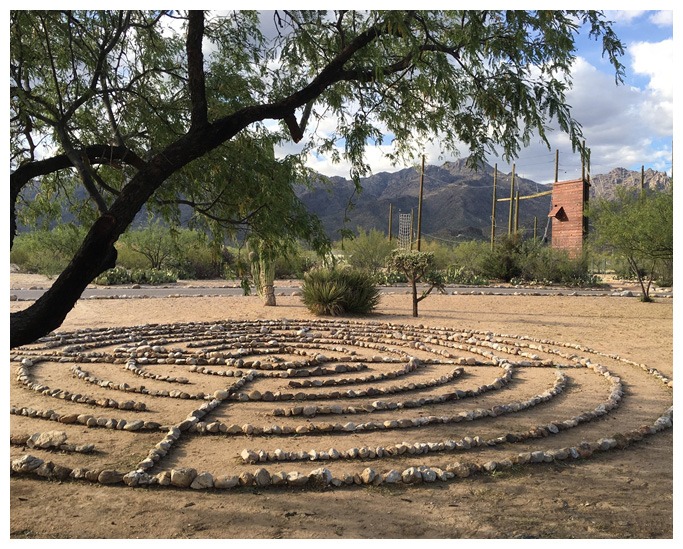
Our 30-bed campus, set within 140 acres of Tucson desert, offers walking trails, quiet outdoor spaces, wellness areas, and creative studios. The environment is calm, private, and built for reflection.
Elements of the Betrayal Trauma Residential Experience
The therapies that support betrayal trauma recovery are most effective when they work together. Rather than a menu of add-ons, they are woven into a single, coordinated plan.
EMDR and Somatic Therapy for Relational Wounds
EMDR therapy helps the brain reprocess memories that remain emotionally raw, so they no longer hijack the present. Somatic experiencing works with the body’s stored responses, gently releasing patterns of freeze, fight, or collapse that betrayal can leave behind.
Neurofeedback for Nervous System Regulation
Neurofeedback offers your brain gentle feedback about its own patterns, which can support attention, sleep, and emotional regulation. For clients whose nervous systems have been in overdrive for years, this kind of training can be quietly powerful.
Equine Therapy and Experiential Healing
Working with horses invites present-moment awareness, boundary practice, and emotional honesty in a way words alone rarely reach. Gestalt therapy and other experiential approaches complement this work, helping you notice what you feel as it happens.
Trauma-Informed Yoga, Mindfulness, and Body-Based Support
Yoga, breathwork, mindfulness, and bodywork give the nervous system consistent, safe experiences of regulation. Over time, these practices become resources you can draw on long after you leave.

Therapies That May Support Your Betrayal Trauma Recovery
The therapies below are not separate tracks or add-ons. Each may be included in your individualized residential plan based on what supports your healing.
Clinical and Trauma-Focused Therapies
- EMDR
- Somatic experiencing
- Cognitive Behavioral Therapy
- Dialectical Behavior Therapy
- NeuroAffective Relational Model (NARM)
- Gestalt therapy
- Individual, group, and family therapy
Integrative and Mind-Body Modalities
- Neurofeedback and brain mapping
- Equine-assisted psychotherapy
- Trauma-informed yoga and breathwork
- Acupuncture, massage, and bodywork
- Meditation and mindfulness practice
- Expressive art and music therapy
Medical, Psychiatric, and Nutritional Support
- Psychiatric evaluation and medication management
- Naturopathic and allopathic medical care
- Sleep assessment and support
- Nutrition and dietitian sessions
- Fitness and movement programming

I am so happy that I chose Sabino to begin my recovery. I have suffered for years from depression, anxiety, panic disorder, and PTSD. The programs that are offered here at Sabino have been truly phenomenal in helping me recover. I also appreciated the professional staff that are here on duty 24/7, which helps create a safe environment. Sabino Recovery uses effective “one on one” methods that meet each person’s individual needs because they evaluate and have a better understanding of your personal traumatic experiences. Thanks Sabino, I am truly grateful to you and the sabino family.
Regina


Support That Continues After Residential Treatment
Leaving residential care can feel uncertain, even when you feel stronger than when you arrived. Our commitment to you does not end at discharge.
Transition Planning and Aftercare Coordination
Aftercare planning begins early in your stay. Your team helps coordinate ongoing therapy, medication management, outpatient care, or step-down options that fit your life at home. The goal is a soft landing, not a cliff.
Alumni Connection and Ongoing Resources
Our alumni program is free and lifelong. Regular check-ins, community events, workshops, and a private alumni platform help you stay connected to people who understand your work and cheer you on.
Building a Foundation That Lasts Beyond Treatment
Healing from betrayal is not about returning to who you were before. It is about becoming someone who can hold what happened, live with more freedom, and choose relationships from a steadier place. That kind of change is built one honest day at a time, and it can last.
Take the Next Step Toward Betrayal Trauma Recovery
Reaching out about trauma treatment takes courage, especially when trust has been broken. You do not have to have the right words ready. You only need to be willing to have a conversation.
You Do Not Have to Navigate This Alone
Our admissions team is here 7 days a week to listen, answer questions, and help you understand what care at Sabino could look like for you or someone you love.
Contact Sabino Recovery to Learn More
When you are ready, contact Sabino Recovery or call (844) 286-0516 to talk with a real person about your next step.

Begin your healing journey today at our Residential Treatment Center
If betrayal has quietly shaped how you feel, cope, and connect, meaningful healing is possible with the right support around you. Our team is here to talk through your situation, answer your questions, and help you understand whether our trauma-first residential program is the right fit. When you are ready, contact Sabino Recovery or call (844) 286-0516 to take the next step at a pace that feels right for you.