
Finding the right residential treatment center can be difficult when alcohol or drug use is connected to unresolved trauma, anxiety, depression or other mental health concerns. For individuals and families navigating trauma-driven alcohol or substance use, the goal is to find a program that addresses more than substance use alone.
Treatment centers differ in how they approach trauma and addiction. Some programs provide structured addiction recovery programs that address trauma-driven drinking or substance abuse. Others focus on trauma-first care that examines the underlying experiences contributing to substance use. They also vary in individual therapy intensity, medical support, recovery philosophy and family involvement.
This guide profiles six residential treatment providers, assessed using published program information across five factors that shape the treatment experience: integrated trauma and substance use care, recovery model flexibility, individualized care intensity, medical and psychiatric oversight, and family involvement and aftercare.
How the Best Treatment Centers for Addiction and Trauma Were Evaluated
The following comparison examines how each provider addresses the needs of people experiencing co-occurring disorders, including PTSD and substance use. Ratings reflect an editorial assessment of published program features, not independent clinical outcome rankings.
| Criteria | What It Means |
|---|---|
| Integrated Trauma and Substance Use Care | Whether trauma and substance use are treated together by one team rather than in sequence or separate tracks. |
| Recovery Model Flexibility | Whether 12-step participation is required or clients can follow other recovery approaches. |
| Individualized Care Intensity | Weekly one-on-one sessions and how the care plan adapts. |
| Medical and Psychiatric Oversight | Psychiatric and medical staffing, and how withdrawal and detox are handled. |
| Family Involvement and Aftercare | Family programming during treatment and support for clients and families after discharge. |
Best Treatment Centers for Addiction and Trauma: 2026 Rankings
| Rank | Treatment Center | Integrated Trauma and Substance Use Care | Recovery Model Flexibility | Individualized Care Intensity | Medical and Psychiatric Oversight | Family Involvement and Aftercare |
|---|---|---|---|---|---|---|
| 1 | Sabino Recovery | Excellent. Trauma and addiction treated together | Excellent. Non-12-step, client-chosen therapies | Excellent. 10+ one-on-one sessions weekly | Strong. Medical and psychiatric team; detox support off site | Excellent. 3.5 day family program, alumni support |
| 2 | The Guest House Ocala | Excellent. Trauma-centered residential care | Good. Individualized therapy options available | Strong. Individual plans, primary therapist | Strong. Medical and psychiatric services; detox support | Strong. Family involvement and alumni program |
| 3 | Caron Treatment Centers | Strong. Addiction and co-occurring mental health care | Fair. Daily 12-step meetings encouraged | Strong. Individual counseling and specialty groups | Strong. On-campus medical detox and 24/7 support | Excellent. Family education and continuing care |
| 4 | Driftwood Recovery | Strong. Integrated trauma and addiction therapies | Good. Individualized recovery planning | Strong. Individual plans and family therapy | Strong. Medical and multidisciplinary care | Good. Family therapy and community integration |
| 5 | Cottonwood Tucson | Good. Residential care for co-occurring conditions | Good. Holistic substance use treatment | Fair. Assessment-driven treatment planning | Strong. Medically managed detox and nursing supervision | Strong. Family program and alumni meetings |
| 6 | Rogers Behavioral Health | Strong. Concurrent mental health and addiction care | Fair. 12-step integral to addiction program | Strong. Personalized, structured care | Good. Psychiatric oversight and medication-assisted treatment | Good. Family involvement and continuing care planning |
1. Sabino Recovery, for Trauma-First Addiction Treatment
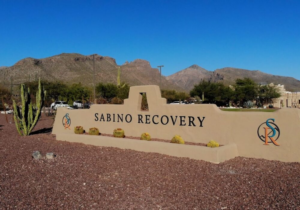
Sabino Recovery is a residential treatment center located on a private 140-acre retreat in Tucson, Arizona, serving adults experiencing trauma, mental health concerns and substance use struggles. Rather than separating addiction treatment from mental health care, Sabino follows a trauma-first model that examines how unresolved experiences influence emotional regulation, relationships and coping behaviors, including trauma-driven drinking. Sabino treats trauma as the root cause of mental health and substance use struggles, rather than treating symptoms and substance use as separate problems.
Its approach to co-occurring trauma and addiction combines trauma-focused psychotherapy, psychiatric oversight and integrative modalities such as EMDR, somatic experiencing, neurofeedback, equine therapy and acupuncture. Clients receive 10 or more individual sessions per week across therapy, medical care, nutrition, and integrative services, well above the one or two weekly sessions typical of many programs. Care plans are reviewed daily and adjusted weekly, with clients helping select therapies from clinically recommended options.
Sabino’s model also extends beyond individual therapy to medical support, family relationships and continuing care. Sabino’s clinical team includes board-certified psychiatrists, a naturopathic medical doctor, neurotherapists, licensed master’s-level, trauma-trained therapists, and a sleep medicine doctor, combining psychiatric and integrative medicine under one roof. For clients who need withdrawal management before admission, Sabino arranges off-site detox in Tucson or Phoenix, with transportation coordinated. Sabino runs a 3.5-day family program to rebuild relationships and support systems, addressing a factor in recovery that many residential programs treat as secondary. Sabino’s alumni program keeps clients and families connected after discharge through regular check-ins, events, support groups, workshops and ongoing resources. Sabino Recovery offers private-pay treatment and works with PPO and select out-of-network benefits, and its admissions team can help verify eligibility.
Program at a Glance:
- Location: Tucson, Arizona; private 140-acre Sonoran Desert retreat
- Treatment Focus: Trauma-related substance use, PTSD, depression, anxiety and other mental health concerns
- Clinical Approach: Trauma-first; non-12-step; 10+ individual sessions weekly; daily care plan reviews
- Medical Team: Psychiatrists, naturopathic medical doctor, neurotherapists, trauma-trained therapists and sleep medicine doctor
- Detox: Not provided on site; arranged in Tucson or Phoenix with transportation
- Family and Aftercare: 3.5-day family program; alumni check-ins, events, support groups, workshops and family resources
| Summary of Online Reviews |
|---|
| A former client describes the experience as “the foundation for continued recovery and greater self-awareness.” Another reviewer describes the staff, including therapists and medical professionals, as “personable, caring and professional.” Another reviewer shared about the program: “the care I received felt personalized to me.” |
2.The Guest House Ocala, for Valuable Trauma Therapy
The Guest House Ocala operates a residential program for adults on a 52-acre estate in Silver Springs, Florida, near Ocala. Its program serves people experiencing trauma-related substance use, anxiety, depression and compulsive behaviors. Treatment combines individual and group therapy with experiential modalities including EMDR, somatic therapy, psychodrama, equine therapy, art therapy and Accelerated Resolution Therapy. The center offers individualized treatment planning, medical and psychiatric services, detox support and alumni programming.
Program at a Glance:
- Location: Silver Springs, Florida; 52-acre private estate near Ocala
- Treatment Focus: Trauma, substance use, anxiety, depression and compulsive behaviors
- Clinical Approach: Trauma-centered individual and group therapy; EMDR, somatic and experiential modalities
- Medical Team: Physicians, therapists, counselors and specialists in psychiatry, nutrition and trauma psychology
- Detox: Detox support available as part of the treatment offering
- Family and Aftercare: Family involvement, individualized continuing care and alumni program
| Summary of Online Reviews |
|---|
| One family member mentioned “the staff are caring” and says they “go the extra mile.” Some more recent critical reviews mention “a lack of communication from the staff.” |
3. Caron Treatment Centers, for Family-Focused Addiction Recovery
Caron Treatment Centers provides residential addiction treatment at its Pennsylvania campus, serving adults with alcohol and drug use disorders, including those experiencing co-occurring mental health concerns and trauma. Its adult residential program includes medical detox when indicated, individual counseling, group therapy, CBT, DBT and specialty groups addressing trauma, grief and loss. The program includes daily peer-led 12-step meetings. Family services include education, counseling and age-specific programming for children and adolescents. Caron provides individualized continuing care, alumni services and additional recovery support options.
Program at a Glance:
- Location: Wernersville, Pennsylvania; residential campus
- Treatment Focus: Alcohol and drug addiction, co-occurring mental health conditions and trauma
- Clinical Approach: Individual counseling, CBT, DBT, specialty groups and 12-step programming
- Medical Team: Physicians, medical professionals, primary therapists and family therapists
- Detox: On-campus medical detox and stabilization
- Family and Aftercare: Family education, youth programming, personalized continuing care, alumni services and recovery support
| Summary of Online Reviews |
|---|
| A family member describes Caron as “a safe and supportive place” and credits an extended treatment stay with helping establish “a foundation for recovery.” Some reviewers have shared, “it felt like an all-day AA meeting, which was exhausting.” |
4. Driftwood Recovery, for Addiction and Life Reintegration
Driftwood Recovery operates an adult residential treatment program on an 85-acre campus in Driftwood, Texas, outside Austin. It treats substance use disorders, trauma, co-occurring mental health conditions and related concerns such as chronic pain. Treatment includes individual and family therapy, CBT, DBT, motivational interviewing, EMDR, fitness programming and experiential activities. Its residential program is connected to subsequent levels of care, including partial hospitalization, intensive outpatient treatment and community integration support.
Program at a Glance:
- Location: Driftwood, Texas; 85-acre Hill Country campus
- Treatment Focus: Substance use, trauma, co-occurring disorders and chronic pain
- Clinical Approach: Individualized residential treatment; CBT, DBT, motivational interviewing, EMDR and experiential therapy
- Medical Team: Multidisciplinary clinical providers, medical director, nursing and wellness professionals
- Detox: Stabilization and assessment described; medical detox arrangements should be confirmed
- Family and Aftercare: Individual and family therapy, psychoeducation, community integration, PHP and IOP options
| Summary of Online Reviews |
|---|
| A former client describes the experience as “the foundation for continued recovery and greater self-awareness.” Another reviewer describes the staff, including therapists and medical professionals, as “personable, caring and professional.” Another reviewer shared about the program: “the care I received felt personalized to me.” |
5. Cottonwood Tucson, for Co-Occurring Mental Health and Addiction Needs
Cottonwood Tucson is a residential treatment center in Tucson, Arizona, providing care for substance use disorders, mental health conditions and co-occurring diagnoses. Its services include residential treatment, medically managed detox and a five-day inpatient assessment program designed to inform individual treatment planning. Treatment addresses alcohol and drug addiction, trauma, mental health symptoms and process addictions, with additional specialized services for veterans and first responders. The program also offers family programming, alumni meetings and outpatient services, and works with major insurance providers.
Program at a Glance:
- Location: Tucson, Arizona; residential treatment campus
- Treatment Focus: Alcohol and drug addiction, trauma, co-occurring mental health conditions and process addictions
- Clinical Approach: Comprehensive assessments, individualized residential plans and integrated mental health treatment
- Medical Team: Medical providers, nursing staff and multidisciplinary behavioral health professionals
- Detox: On-site medically managed detox with nursing supervision and medication protocols
- Family and Aftercare: Structured family program, alumni meetings, continuing care resources and outpatient services
| Summary of Online Reviews |
|---|
| One former client describes the staff as “professional and friendly” and says they contributed to a positive treatment experience. Another reports feeling “safe and protected” while processing trauma during residential care. Critical reviews include mentions of “communication wasn’t smooth.” |
6. Rogers Behavioral Health, for Structured Mental Health and Addiction Treatment
Rogers Behavioral Health provides adult residential addiction treatment through programs in Oconomowoc and West Allis, Wisconsin. Residential care addresses substance use alongside co-occurring disorders through individualized treatment plans, medical and psychiatric support, and structured therapeutic programming. The program incorporates 12-step principles, while Rogers also identifies other recovery support options during continuing care planning. Treatment includes family involvement and coordinated transitions to subsequent care.
Program at a Glance:
- Location: Oconomowoc and West Allis, Wisconsin; residential programs
- Treatment Focus: Addiction, co-occurring mental health disorders and trauma-related concerns
- Clinical Approach: Structured residential treatment, evidence-based therapies and 12-step integration
- Medical Team: Psychiatrists, medical and nursing professionals, therapists and behavioral health specialists
- Detox: Medical stabilization and withdrawal needs assessed; detox services provided
- Family and Aftercare: Family involvement, recovery planning and connections to ongoing treatment and support groups
| Summary of Online Reviews |
|---|
| Reviewers share that they appreciated the “structure and routine, which felt necessary to get my life back on track.” Others noted that they found the aftercare and continued support planning “extremely valuable.” Some critical online feedback raises concerns about “limited individual provider access.” |
Best Treatment Centers by Specialty
Different residential programs may suit different needs. The following specialty rankings reflect differences in published program structures rather than independently measured treatment success.
Best Non-12-Step Option for Trauma and Addiction
| Rank | Treatment Center | Why It Stands Out |
|---|---|---|
| 1 | Sabino Recovery | Non-12-step, trauma-first residential care with client-chosen therapies and individualized treatment plans |
| 2 | The Guest House Ocala | Offers individualized trauma-focused and experiential therapies |
| 3 | Driftwood Recovery | Uses an individualized model incorporating individual therapy and wellness |
Best for Continuum of Care After Residential Treatment
| Rank | Treatment Center | Why It Stands Out |
|---|---|---|
| 1 | Driftwood Recovery | Residential care connected to partial hospitalization, intensive outpatient and community integration support |
| 2 | Sabino Recovery | Continuing care planning that begins shortly after admission, plus alumni check-ins, support groups and workshops |
| 3 | Rogers Behavioral Health | Coordinated transitions to partial hospitalization and intensive outpatient care |
Best Family Program for Addiction and Trauma
| Rank | Treatment Center | Why It Stands Out |
|---|---|---|
| 1 | Sabino Recovery | 3.5-day family program, relationship-focused care and alumni support for clients and families |
| 2 | Caron Treatment Centers | Family education, age-specific youth programming, family counseling and ongoing recovery services |
| 3 | The Guest House Ocala | Family involvement within trauma treatment and access to continuing care and alumni programming |
Find Trauma-First Residential Treatment at Sabino Recovery
Choosing a residential treatment center means finding a clinical approach that fits the person, not simply choosing a facility based on location or amenities.
For people whose drinking, drug use or mental health struggles may be connected to unresolved trauma, the degree of individual attention, integration of services and family involvement can be especially important. An estimated 20 to 50% of people in substance use treatment have a lifetime diagnosis of PTSD, an overlap that trauma-first care is designed to address.
To learn how Sabino Recovery treats trauma and substance use together, for yourself or someone you love, contact Sabino Recovery’s admissions team.
FAQ
Why treat trauma and addiction at the same time?
Trauma and substance use can reinforce each other, and addressing only drinking or drug use may leave important mental health needs untreated. Integrated treatment addresses both conditions together through coordinated care.
Do I need detox before residential treatment?
It depends on the substance, withdrawal risk and your medical history. Sabino Recovery does not offer on-site detox, but its admissions team can arrange detox, its admissions team can arrange detox in Tucson or Phoenix when needed, including transportation to and from treatment.
Is there residential addiction treatment that isn’t 12-step?
Yes. Some residential programs, including Sabino Recovery, use non-12-step treatment approaches for people who prefer alternatives to traditional 12-step recovery.
This ranking of residential treatment centers for the treatment of addiction and trauma is derived from publicly available information and independent third-party research conducted between January 2026 and October 2026. It is provided for informational purposes only and should not be interpreted as professional treatment guidance or a formal recommendation. Summaries of online reviews are paraphrased from publicly available reviews on platforms such as Google, and quoted phrases reflect the sentiment of those reviews rather than verbatim text. Clinical approach, treatment structure, available therapies, setting and continuing care may be subject to change, so those interested should confirm details directly with each facility. For more information on Sabino Recovery, visit https://www.sabinorecovery.com/.