
What is PTSD and how does it affect mental health?

Post-traumatic stress disorder (PTSD) is a mental health condition that can develop after a person experiences or witnesses a traumatic event. Trauma can be any situation that threatens a person’s safety or life. PTSD can affect anyone who has experienced a traumatic event, including veterans, survivors of physical or sexual assault, and people who have been in accidents or natural disasters.
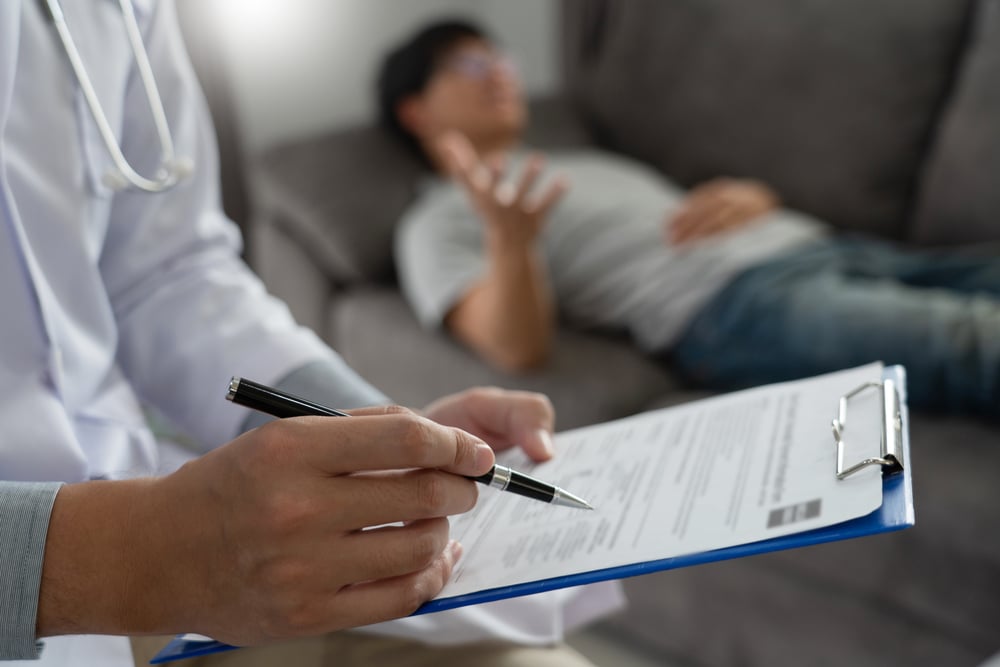
PTSD and how does it affect mental health

PTSD can cause a range of symptoms that can be grouped into four categories: intrusive memories, avoidance, negative changes in thinking and mood, and changes in physical and emotional reactions. Symptoms can vary from person to person and can be triggered by reminders of the traumatic event.

Assessing PTSD can be done using various tools, one of which is the PTSD Checklist for DSM-5 (PCL-5). This 20-item self-report measure assesses the 20 DSM-5 symptoms of PTSD. The PCL-5 is used for monitoring symptom change during and after treatment, screening individuals for PTSD, and making a provisional PTSD diagnosis.

PTSD can have a significant impact on a person’s mental health and quality of life. It can cause feelings of anxiety, depression, and isolation. It can also affect a person’s ability to work, maintain relationships, and enjoy life.

If you or someone you know is experiencing symptoms of PTSD, it is important to seek help from a mental health professional. Treatment can help manage symptoms and improve quality of life. The U.S. Department of Veterans Affairs offers a range of resources and support for veterans and their families who are dealing with PTSD.

What Causes PTSD?

PTSD is a mental health condition that develops in some people who have experienced a traumatic event. Trauma can be defined as any event that is life-threatening or causes intense fear, helplessness, or horror. PTSD can develop after a single traumatic event or after repeated exposure to trauma.

Common causes of PTSD include:

  • Combat and military exposure
  • Sexual or physical assault
  • Childhood abuse or neglect
  • Natural disasters
  • Serious accidents
  • Witnessing or experiencing violence

PTSD can also develop after learning about the traumatic event happening to a loved one. It is important to note that not everyone who experiences trauma will develop PTSD, and the severity of the trauma does not necessarily predict the likelihood of developing PTSD.

Research suggests that PTSD is caused by a combination of genetic, environmental, and biological factors. People who have a family history of mental health conditions may be more susceptible to developing PTSD. Additionally, certain brain regions and neurotransmitters may be affected by trauma, leading to changes in mood, memory, and emotional regulation.

If you have experienced trauma and are experiencing symptoms of PTSD, it is important to seek professional help. PTSD is a treatable condition, and early intervention can improve outcomes.

How is PTSD Diagnosed?

A screening questionnaire does not replace a clinical assessment. A qualified professional considers trauma exposure, symptoms, how long they have lasted and their effect on daily life. The Life Events Checklist (LEC-5) records exposure to potentially traumatic events; it is not a checklist for setting everyday recovery goals.

The LEC-5 concerns trauma exposure. The PCL-5 measures reported PTSD symptoms, while a clinician can use a structured interview such as CAPS-5 as part of an assessment. These tools have different purposes.

What are the symptoms of PTSD?

The PCL-5 covers 20 symptoms grouped into four clusters. This overview can help you understand the terminology; it is not a self-diagnosis checklist.

Intrusion

  • Unwanted memories of the event
  • Distressing dreams
  • Feeling as though the event is happening again
  • Emotional distress at reminders
  • Physical reactions to reminders

Avoidance

  • Avoiding thoughts or feelings about the event
  • Avoiding external reminders

Changes in thinking and mood

  • Difficulty recalling parts of the event
  • Persistent negative beliefs
  • Blaming yourself or others
  • Persistent negative emotions
  • Less interest in activities
  • Feeling disconnected from other people
  • Difficulty experiencing positive emotions

Arousal and reactivity

  • Irritability or angry outbursts
  • Risky or self-destructive behavior
  • Being unusually watchful for danger
  • Being easily startled
  • Difficulty concentrating
  • Sleep problems

How does PTSD affect your daily life?

PTSD can have a significant impact on your daily life. It can affect your social life, work, relationships, physical and mental health, and more. Here are some of the common effects of PTSD:

Social Life

PTSD can make you feel isolated and disconnected from others. You may avoid social situations or have trouble connecting with others. You may also feel like you don’t fit in or that others don’t understand you.

Work

PTSD can also affect your work. You may have trouble concentrating, making decisions, or completing tasks. You may also have trouble working with others or following instructions.

Relationships

PTSD can strain your relationships with others. You may have trouble trusting others or feel like they don’t understand you. You may also have trouble communicating your feelings or needs.

Physical Health

PTSD can also affect your physical health. You may experience headaches, stomach aches, or other physical symptoms. You may also have trouble sleeping or feel fatigued.

Guilt and Mood

PTSD can also cause feelings of guilt, shame, or anger. You may also experience mood swings or feel irritable.

Injury and Risk Factors

PTSD can increase your risk of injury or other health problems. It can also be triggered by certain risk factors, such as a history of abuse, exposure to trauma, or a family history of mental illness.

Children and Close Friends

PTSD can also affect children and close friends. They may feel scared or confused by your behavior or have trouble understanding what you’re going through.

Alcohol and Drugs

Some people with PTSD may turn to alcohol or drugs to cope with their symptoms. However, this can make the problem worse and lead to other health problems.

Personality and Fight-or-Flight

PTSD can also affect your personality and your fight-or-flight response. You may become more withdrawn or aggressive, or you may have trouble regulating your emotions.

Thinking

PTSD can also affect your thinking. You may have trouble focusing or remembering things, or you may have negative thoughts or beliefs about yourself or the world around you.

How does PTSD Affect Specific Populations?

PTSD can affect anyone who has experienced a traumatic event, regardless of age, gender, or occupation. However, some populations may be more susceptible to PTSD than others. Let’s take a look at how PTSD can affect specific populations.

Men

People may experience or express symptoms differently, and stigma can make it harder to seek support. Symptoms and support needs should be assessed individually rather than inferred from gender.

Women

Women are more likely to experience sexual assault or domestic violence, which can lead to PTSD. Women may also be more likely to experience symptoms of depression and anxiety alongside PTSD. Symptoms of PTSD in women may include flashbacks, nightmares, and avoidance of triggers.

Children

Children who experience trauma may develop symptoms of PTSD, including bedwetting, separation anxiety, and regression in developmental milestones. Children may also have difficulty expressing their emotions and may require specialized treatment to address their PTSD symptoms.

Combat Veterans

Combat veterans may experience PTSD due to exposure to traumatic events during their service. Symptoms of PTSD in veterans may include hypervigilance, difficulty sleeping, and avoidance of triggers related to their military service. Veterans may also be at risk for substance abuse and suicidal thoughts.

First Responders

First responders, such as firefighters and paramedics, may experience PTSD due to exposure to traumatic events on the job. Symptoms of PTSD in first responders may include guilt, difficulty concentrating, and increased risk-taking behavior.

Police Officers

Police officers may experience PTSD due to exposure to violence and trauma on the job. Symptoms of PTSD in police officers may include anger, increased aggression, and difficulty sleeping. Police officers may also be at risk for substance abuse and suicidal thoughts.

How can you get Treatment and Support for PTSD?

If you have been diagnosed with PTSD, there are several treatment options available to help you manage your symptoms and improve your quality of life. Treatment for PTSD often involves a combination of medication and therapy, including cognitive therapy, exposure therapy, and eye movement desensitization and reprocessing (EMDR) therapy.

Your doctor may prescribe medication to help manage symptoms such as anxiety, depression, and sleep disturbances. Antidepressants, anti-anxiety medications, and sleep aids are commonly used to treat PTSD. However, medication alone is not usually enough to treat the disorder.

Therapy can be an effective treatment for PTSD. Cognitive therapy can help you identify and change negative thought patterns that contribute to your symptoms. Exposure therapy involves gradually exposing you to situations or objects that trigger your symptoms, helping you learn to cope with them in a safe and controlled environment. EMDR therapy uses eye movements to help you process traumatic memories and reduce their impact on your daily life.

You may also find support through various resources, including the National Center for PTSD, which provides information, resources, and support for individuals with PTSD and their families. Clinical trials may also be available in your area, offering the opportunity to participate in research studies exploring new treatments for PTSD.

Learning more about PTSD and developing coping strategies can also be helpful in managing symptoms. Your doctor or therapist can provide you with additional resources and support to help you on your journey to recovery.

Recovery from PTSD: What Can You Expect?

Recovery from PTSD is possible, but it is a process that takes time and effort. The first step is to seek professional help. A mental health professional can help you develop a treatment plan that is tailored to your specific needs. Treatment may involve therapy, medication, or a combination of both.

One effective form of therapy for PTSD is cognitive behavioral therapy (CBT). CBT helps you identify and change negative thought patterns and behaviors that are contributing to your PTSD symptoms. Exposure therapy is another form of therapy that can be effective for PTSD. This involves gradually exposing you to the things that trigger your PTSD symptoms, so you can learn to cope with them in a safe environment.

In addition to professional treatment, there are things you can do on your own to aid in your recovery. Self-care is important, including getting enough sleep, eating a healthy diet, and exercising regularly. It can also be helpful to connect with others who have experienced similar trauma, such as through support groups.

Life After PTSD: What Does It Look Like?

Life after PTSD can be challenging, but it is possible to live a fulfilling life. It’s important to remember that recovery is a journey, and there may be setbacks along the way. However, with the right treatment and support, you can learn to manage your symptoms and live a meaningful life.

With your therapist, you can identify everyday goals and practical support needs, such as rebuilding routines, setting boundaries and reconnecting with activities or people that matter to you.

It’s important to be patient and kind to yourself as you navigate life after PTSD. Remember that recovery is possible, and there are resources available to help you along the way. With time and effort, you can learn to manage your symptoms and live a fulfilling life.

 

Accessibility Toolbar

20 Symptoms of PTSD Explained: Causes, Diagnosis, and Treatment Guide

Clinically Reviewed by: Stephanie Ballard PhD, LPCC, CADC

What is PTSD and how does it affect mental health?

Post-traumatic stress disorder (PTSD) is a mental health condition that can develop after a person experiences or witnesses a traumatic event. Trauma can be any situation that threatens a person's safety or life. PTSD can affect anyone who has experienced a traumatic event, including veterans, survivors of physical or sexual assault, and people who have been in accidents or natural disasters.

PTSD and how does it affect mental health

PTSD can cause a range of symptoms that can be grouped into four categories: intrusive memories, avoidance, negative changes in thinking and mood, and changes in physical and emotional reactions. Symptoms can vary from person to person and can be triggered by reminders of the traumatic event.

Assessing PTSD can be done using various tools, one of which is the PTSD Checklist for DSM-5 (PCL-5). This 20-item self-report measure assesses the 20 DSM-5 symptoms of PTSD. The PCL-5 is used for monitoring symptom change during and after treatment, screening individuals for PTSD, and making a provisional PTSD diagnosis.

PTSD can have a significant impact on a person's mental health and quality of life. It can cause feelings of anxiety, depression, and isolation. It can also affect a person's ability to work, maintain relationships, and enjoy life.

If you or someone you know is experiencing symptoms of PTSD, it is important to seek help from a mental health professional. Treatment can help manage symptoms and improve quality of life. The U.S. Department of Veterans Affairs offers a range of resources and support for veterans and their families who are dealing with PTSD.

What Causes PTSD?

PTSD is a mental health condition that develops in some people who have experienced a traumatic event. Trauma can be defined as any event that is life-threatening or causes intense fear, helplessness, or horror. PTSD can develop after a single traumatic event or after repeated exposure to trauma.

Common causes of PTSD include:

  • Combat and military exposure
  • Sexual or physical assault
  • Childhood abuse or neglect
  • Natural disasters
  • Serious accidents
  • Witnessing or experiencing violence

PTSD can also develop after learning about the traumatic event happening to a loved one. It is important to note that not everyone who experiences trauma will develop PTSD, and the severity of the trauma does not necessarily predict the likelihood of developing PTSD.

Research suggests that PTSD is caused by a combination of genetic, environmental, and biological factors. People who have a family history of mental health conditions may be more susceptible to developing PTSD. Additionally, certain brain regions and neurotransmitters may be affected by trauma, leading to changes in mood, memory, and emotional regulation.

If you have experienced trauma and are experiencing symptoms of PTSD, it is important to seek professional help. PTSD is a treatable condition, and early intervention can improve outcomes.

How is PTSD Diagnosed?


A screening questionnaire does not replace a clinical assessment. A qualified professional considers trauma exposure, symptoms, how long they have lasted and their effect on daily life. The Life Events Checklist (LEC-5) records exposure to potentially traumatic events; it is not a checklist for setting everyday recovery goals.


The LEC-5 concerns trauma exposure. The PCL-5 measures reported PTSD symptoms, while a clinician can use a structured interview such as CAPS-5 as part of an assessment. These tools have different purposes.

What are the symptoms of PTSD?


The PCL-5 covers 20 symptoms grouped into four clusters. This overview can help you understand the terminology; it is not a self-diagnosis checklist.


Intrusion


  • Unwanted memories of the event
  • Distressing dreams
  • Feeling as though the event is happening again
  • Emotional distress at reminders
  • Physical reactions to reminders


Avoidance


  • Avoiding thoughts or feelings about the event
  • Avoiding external reminders


Changes in thinking and mood


  • Difficulty recalling parts of the event
  • Persistent negative beliefs
  • Blaming yourself or others
  • Persistent negative emotions
  • Less interest in activities
  • Feeling disconnected from other people
  • Difficulty experiencing positive emotions


Arousal and reactivity


  • Irritability or angry outbursts
  • Risky or self-destructive behavior
  • Being unusually watchful for danger
  • Being easily startled
  • Difficulty concentrating
  • Sleep problems

How does PTSD affect your daily life?

PTSD can have a significant impact on your daily life. It can affect your social life, work, relationships, physical and mental health, and more. Here are some of the common effects of PTSD:

Social Life

PTSD can make you feel isolated and disconnected from others. You may avoid social situations or have trouble connecting with others. You may also feel like you don't fit in or that others don't understand you.

Work

PTSD can also affect your work. You may have trouble concentrating, making decisions, or completing tasks. You may also have trouble working with others or following instructions.

Relationships

PTSD can strain your relationships with others. You may have trouble trusting others or feel like they don't understand you. You may also have trouble communicating your feelings or needs.

Physical Health

PTSD can also affect your physical health. You may experience headaches, stomach aches, or other physical symptoms. You may also have trouble sleeping or feel fatigued.

Guilt and Mood

PTSD can also cause feelings of guilt, shame, or anger. You may also experience mood swings or feel irritable.

Injury and Risk Factors

PTSD can increase your risk of injury or other health problems. It can also be triggered by certain risk factors, such as a history of abuse, exposure to trauma, or a family history of mental illness.

Children and Close Friends

PTSD can also affect children and close friends. They may feel scared or confused by your behavior or have trouble understanding what you're going through.

Alcohol and Drugs

Some people with PTSD may turn to alcohol or drugs to cope with their symptoms. However, this can make the problem worse and lead to other health problems.

Personality and Fight-or-Flight

PTSD can also affect your personality and your fight-or-flight response. You may become more withdrawn or aggressive, or you may have trouble regulating your emotions.

Thinking

PTSD can also affect your thinking. You may have trouble focusing or remembering things, or you may have negative thoughts or beliefs about yourself or the world around you.

How does PTSD Affect Specific Populations?

PTSD can affect anyone who has experienced a traumatic event, regardless of age, gender, or occupation. However, some populations may be more susceptible to PTSD than others. Let's take a look at how PTSD can affect specific populations.

Men


People may experience or express symptoms differently, and stigma can make it harder to seek support. Symptoms and support needs should be assessed individually rather than inferred from gender.

Women

Women are more likely to experience sexual assault or domestic violence, which can lead to PTSD. Women may also be more likely to experience symptoms of depression and anxiety alongside PTSD. Symptoms of PTSD in women may include flashbacks, nightmares, and avoidance of triggers.

Children

Children who experience trauma may develop symptoms of PTSD, including bedwetting, separation anxiety, and regression in developmental milestones. Children may also have difficulty expressing their emotions and may require specialized treatment to address their PTSD symptoms.

Combat Veterans

Combat veterans may experience PTSD due to exposure to traumatic events during their service. Symptoms of PTSD in veterans may include hypervigilance, difficulty sleeping, and avoidance of triggers related to their military service. Veterans may also be at risk for substance abuse and suicidal thoughts.

First Responders

First responders, such as firefighters and paramedics, may experience PTSD due to exposure to traumatic events on the job. Symptoms of PTSD in first responders may include guilt, difficulty concentrating, and increased risk-taking behavior.

Police Officers

Police officers may experience PTSD due to exposure to violence and trauma on the job. Symptoms of PTSD in police officers may include anger, increased aggression, and difficulty sleeping. Police officers may also be at risk for substance abuse and suicidal thoughts.

How can you get Treatment and Support for PTSD?

If you have been diagnosed with PTSD, there are several treatment options available to help you manage your symptoms and improve your quality of life. Treatment for PTSD often involves a combination of medication and therapy, including cognitive therapy, exposure therapy, and eye movement desensitization and reprocessing (EMDR) therapy.

Your doctor may prescribe medication to help manage symptoms such as anxiety, depression, and sleep disturbances. Antidepressants, anti-anxiety medications, and sleep aids are commonly used to treat PTSD. However, medication alone is not usually enough to treat the disorder.

Therapy can be an effective treatment for PTSD. Cognitive therapy can help you identify and change negative thought patterns that contribute to your symptoms. Exposure therapy involves gradually exposing you to situations or objects that trigger your symptoms, helping you learn to cope with them in a safe and controlled environment. EMDR therapy uses eye movements to help you process traumatic memories and reduce their impact on your daily life.

You may also find support through various resources, including the National Center for PTSD, which provides information, resources, and support for individuals with PTSD and their families. Clinical trials may also be available in your area, offering the opportunity to participate in research studies exploring new treatments for PTSD.

Learning more about PTSD and developing coping strategies can also be helpful in managing symptoms. Your doctor or therapist can provide you with additional resources and support to help you on your journey to recovery.

Recovery from PTSD: What Can You Expect?

Recovery from PTSD is possible, but it is a process that takes time and effort. The first step is to seek professional help. A mental health professional can help you develop a treatment plan that is tailored to your specific needs. Treatment may involve therapy, medication, or a combination of both.

One effective form of therapy for PTSD is cognitive behavioral therapy (CBT). CBT helps you identify and change negative thought patterns and behaviors that are contributing to your PTSD symptoms. Exposure therapy is another form of therapy that can be effective for PTSD. This involves gradually exposing you to the things that trigger your PTSD symptoms, so you can learn to cope with them in a safe environment.

In addition to professional treatment, there are things you can do on your own to aid in your recovery. Self-care is important, including getting enough sleep, eating a healthy diet, and exercising regularly. It can also be helpful to connect with others who have experienced similar trauma, such as through support groups.

Life After PTSD: What Does It Look Like?

Life after PTSD can be challenging, but it is possible to live a fulfilling life. It's important to remember that recovery is a journey, and there may be setbacks along the way. However, with the right treatment and support, you can learn to manage your symptoms and live a meaningful life.

With your therapist, you can identify everyday goals and practical support needs, such as rebuilding routines, setting boundaries and reconnecting with activities or people that matter to you.

It's important to be patient and kind to yourself as you navigate life after PTSD. Remember that recovery is possible, and there are resources available to help you along the way. With time and effort, you can learn to manage your symptoms and live a fulfilling life.