
Hypersexuality and trauma are often deeply connected, with compulsive or excessive sexual behavior frequently functioning as a nervous system response to unresolved emotional pain rather than a reflection of desire, character, or willpower. Clinically referred to as compulsive sexual behavior disorder (CSBD), this pattern involves persistent sexual thoughts, urges, or behaviors that feel difficult to control and often leave a person feeling more alone, not less.
If you have found yourself caught in this cycle, you are not broken, and you are not alone. Many people who struggle with hypersexual behavior have a history that includes sexual abuse, neglect, betrayal, or other forms of trauma, and the body has simply learned to use sex as a way to cope.
This article explores what hypersexuality really is, how trauma shapes it, what the cycle looks and feels like, what other factors can contribute, and what trauma-informed healing can offer when symptom-focused approaches have not been enough.
- Hypersexuality is often a trauma response, not a moral failing, and may be linked to unresolved sexual abuse, neglect, attachment wounds, or complex PTSD.
- The brain and nervous system can learn to pair stress with sexual behavior, which is why the pattern feels automatic and rarely responds to willpower alone.
- A high sex drive and clinically significant hypersexuality are not the same; the difference lies in distress, loss of control, and impact on daily life.
- Trauma-informed therapies such as EMDR, somatic experiencing, and neurofeedback can help address the root of the behavior, not just the symptom.
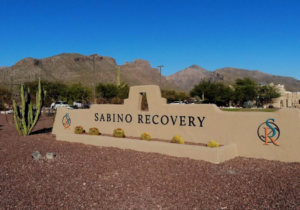
- At Sabino Recovery, hypersexuality is treated within one deeply individualized, trauma-focused residential treatment program.
Understanding Hypersexuality Trauma
What is hypersexuality trauma? Hypersexuality is clinically referred to as compulsive sexual behavior disorder (CSBD). It involves persistent, intense sexual thoughts, urges, or behaviors that feel uncontrollable. While often misunderstood, hypersexual behavior can be a valid trauma response, especially after sexual abuse or neglect. Individuals may use sex to cope with deep psychological pain, which can result in emotional distress, relationship struggles, and feelings of shame.

Sexual trauma, such as sexual abuse, sexual violence, and sexual assault can all contribute to hypersexuality trauma. Trauma can also manifest in the form of sexual content, leading to problematic sexual behavior and compulsive sexual behavior disorder (CSBD).
At Sabino Recovery, we understand the complexities of hypersexuality trauma and offer specialized treatment for those struggling with these issues. Our trauma treatment program provides tailored care and addresses the underlying causes of hypersexualization while helping individuals develop healthy coping mechanisms. Our treatment includes individual and group therapy, as well as holistic therapies such as yoga, meditation, and equine therapy.
If you or someone you know is struggling with hypersexuality trauma, it is important to seek professional help. Sabino Recovery is here to support you on your journey towards healing and recovery.
How the nervous system learns to use sex as a coping tool
When the body has lived through trauma, it adapts. The nervous system becomes skilled at finding anything that quiets fear, dulls pain, or restores a fleeting sense of agency. For some people, sexual behavior becomes one of those tools, especially when early experiences linked closeness, touch, or sexuality with survival.
When hypersexuality stems from trauma, the behavior is often not about desire. It can be an attempt to reclaim control over a body that once felt powerless, to numb emotional pain, or to soothe a nervous system that has not learned another way to settle.
Why this pattern is more common than most people realize
Shame keeps hypersexuality hidden, which makes it feel rarer than it is. Many people carry this experience silently for years, often believing they are uniquely flawed. Recognizing hypersexuality as a trauma response, rather than a moral failing, is often the first quiet relief on the path toward healing.
Take the first step toward healing. Contact Sabino Recovery today to experience compassionate, trauma-informed care in a supportive environment.
The Trauma Roots Beneath Compulsive Sexual Behavior
The connection between past experiences and present behavior is rarely obvious. You may not consciously associate the way you move through intimacy today with something that happened years, or even decades, ago. Recognizing that link is, in itself, a kind of relief.
Sexual trauma and its lasting impact on intimacy and desire
Survivors of sexual violence often carry contradictions in their relationship with intimacy. The body may seek closeness through physical contact as a way of managing profound emotional turmoil, even when the mind feels conflicted or numb. Over time, this can reinforce compulsive patterns that feel disconnected from genuine desire.
Understanding what counts as sexual trauma is an important step, because many people minimize their own experiences or do not realize that what happened to them shaped how their nervous system now responds to closeness.
Childhood neglect, attachment wounds, and compulsive seeking
Not all trauma involves a single, identifiable event. Chronic emotional neglect, inconsistent caregiving, and early attachment wounds can leave a person searching, often unconsciously, for proof that they are wanted. Sexual encounters can become a way to feel chosen or visible, even briefly.
This is not a flaw in character. It is a nervous system doing what it was taught to do.
Betrayal trauma and the body’s search for reassurance
Betrayal trauma, such as being deceived by a partner or harmed by someone who was supposed to provide safety, can leave deep imprints. Some people respond by withdrawing from intimacy entirely. Others find themselves compulsively seeking connection, validation, or control through sexual behavior, often without understanding why.
Complex PTSD and the spectrum of trauma-driven sexual behavior
Complex PTSD, which develops from prolonged or repeated trauma, can shape how a person regulates emotions, tolerates closeness, and experiences their own body. Hypersexual behavior is one of several patterns that may appear within this spectrum, often alongside dissociation, hypervigilance, and difficulty trusting safety when it is offered. Peer-reviewed research has also found that depression, shame, and guilt act as mediating pathways between trauma and hypersexuality, helping explain why this experience tends to feel so emotionally heavy (Source: doi.org).
How Hypersexuality Shows Up in Daily Life
Many people do not recognize their own behavior as a trauma response until someone names it for them. From the inside, it can simply feel like a part of who you are, or like a problem you keep trying, and failing, to solve through willpower.
Behavioral signs that may indicate a trauma-driven pattern
Hypersexual behavior can take many forms, and there is no single look. What tends to be consistent is the sense of being driven rather than choosing freely. Common signs include:
- Spending significant amounts of time pursuing sexual content or encounters
- Continuing behaviors despite emotional, relational, or professional consequences
- Using sex to manage stress, sadness, loneliness, or numbness
- Feeling restless, agitated, or empty when not engaging in sexual behavior
- Hiding the extent of the behavior from people you love
The emotional cycle: shame, relief, and the return of urges
Most people who struggle with hypersexuality describe a familiar loop. A wave of stress, sadness, or dysregulation rises. Sexual behavior offers a brief sense of relief or escape. Then shame settles in, often heavier than before. The shame itself becomes another source of distress, which the nervous system once again tries to soothe in the only way it has learned. The cycle reinforces itself, not because of weakness, but because the brain is doing exactly what it was wired to do.
How relationships and self-worth are affected over time
Hypersexual behavior can quietly erode self-esteem and trust. You may feel ashamed of choices that do not match your values, or distant from partners who do not know what you are carrying. Some people withdraw to protect others. Others seek constant connection, hoping closeness will fill what feels unreachable. Both patterns are understandable, and both can begin to soften when the underlying trauma is given real attention.

The Neuroscience Behind the Pattern
When a behavior feels automatic and resistant to logic, it is usually because something deeper than logic is driving it. The brain’s survival wiring, not personal weakness, is often at the heart of hypersexuality.
Trauma, the stress response, and the brain’s reward system
Trauma changes how the brain processes threat and reward. The stress response stays more easily activated, and the dopamine reward system, which helps the brain learn what brings relief, becomes finely tuned to whatever soothes distress quickly. Sexual behavior can produce powerful, fast-acting changes in mood and arousal, which the brain may begin to register as a reliable way to escape overwhelm.
Over time, a neural network can form linking stress responses to sexual behavior, making the pattern increasingly automatic. The body starts reaching for the coping tool before the mind has time to consider another option.
Nervous system dysregulation and the search for relief
A dysregulated nervous system swings between states of hyperarousal, such as anxiety, agitation, or restlessness, and hypoarousal, such as numbness, fatigue, or emotional flatness. Neither state feels tolerable for long. Hypersexual behavior can temporarily shift the system out of either extreme, which is part of why it becomes so reinforcing. The relief is real. It is just not lasting, and it does not address what the body is actually asking for.
Why willpower alone rarely breaks the cycle
Willpower is a cognitive tool. Trauma lives in the body and the nervous system, beneath conscious thought. This is why people can know their behavior is hurting them, want desperately to stop, and still find themselves returning to the same pattern. Sustainable change tends to come from helping the nervous system find new ways to regulate, not from trying harder to override an old one.
Other Factors That Can Contribute to Hypersexual Behavior
Trauma is often the root, but the picture is rarely simple. Other conditions and circumstances can amplify or complicate hypersexual patterns, which is why thoughtful assessment matters.
Co-occurring mental health conditions and hypersexuality
Hypersexuality is not currently recognized as a standalone diagnosis in the DSM-5 or ICD-11. It may be identified as a symptom within other diagnoses, including bipolar disorder, borderline personality disorder, or obsessive-compulsive disorder. PTSD and complex PTSD are also commonly involved, particularly when sexual trauma is part of the history. Depression and anxiety often travel alongside hypersexual behavior, both feeding it and feeding off of it.
Substance use, medications, and neurological factors
Substance use can lower inhibition and intensify compulsive patterns, which is one reason dual diagnosis care matters when both are present. Certain medications, hormonal changes, neurological conditions, and brain injuries can also influence sexual desire or impulse control. These factors do not replace the role of trauma, but they shape how the pattern shows up and what kind of care is most helpful.
When multiple causes overlap: the importance of individualized assessment
Two people with similar behaviors may have very different stories underneath. One may carry early sexual trauma. Another may be managing bipolar disorder alongside chronic stress. A third may be navigating attachment wounds and substance use together. A careful, individualized assessment is what makes it possible to address the real drivers rather than the surface.
What Healing Actually Looks Like
Healing from trauma-driven hypersexuality is not about behavior correction. It is about helping the nervous system feel safe enough to stop reaching for an old survival tool, and helping you reclaim a relationship with your body, your choices, and your sense of self.
Why trauma-informed care is different from symptom-focused treatment
Symptom-focused treatment tends to ask, how do we stop the behavior. Trauma-informed care asks, what is the behavior trying to solve, and what would it take for the body to no longer need it. That shift changes everything. It moves the work from suppression to genuine resolution, and it tends to produce changes that hold.
If you are beginning to explore how to cope with and begin healing from sexual trauma, this is the territory you are stepping into.
EMDR, somatic approaches, and processing what the body holds
Several evidence-informed therapies are well suited to trauma-driven hypersexuality:
- EMDR (Eye Movement Desensitization and Reprocessing) helps the brain reprocess traumatic memories so they no longer carry the same emotional charge, which can reduce the urges tied to those experiences.
- Somatic experiencing works directly with the body to release stored stress responses, helping the nervous system complete what it could not complete during the original trauma.
- Neurofeedback offers gentle, real-time feedback on brain activity, which can support nervous system regulation over time.
These approaches are not about reliving what happened. They are about helping the body finally move through it.
The role of individual therapy, group support, and relational healing
Individual therapy provides the private space to make sense of your story without shame. Group support can quietly dismantle the isolation that hypersexuality so often creates. And because trauma and intimacy are deeply relational, family involvement is often part of the work, helping repair trust and rebuild the kind of connection that supports lasting change.
For many people, learning how to heal from sexual abuse trauma involves all three layers working together.
Have you been trying to fix the behavior without ever addressing what is underneath it?
That exhaustion makes sense, and a different kind of support is available when you are ready to consider it. You can reach out to our admissions team to talk through what care might look like for you, with no pressure to decide anything in that first conversation.
How Sabino Recovery’s trauma-first approach addresses hypersexuality at the root
At Sabino Recovery, hypersexuality is supported within one deeply individualized, trauma-focused residential treatment program. There are no tracks or templates. Care is co-created with you, reviewed daily, and adjusted weekly as your needs evolve.
Within our program, you receive 10 or more one-on-one sessions per week with therapists, medical providers, dietitians, and integrative specialists. Evidence-informed therapies such as EMDR, somatic experiencing, neurofeedback, equine therapy, and trauma-informed yoga are combined with psychiatric and integrative medical care, so that body, mind, and nervous system can heal together. Set on 140 acres in the Tucson desert, the environment itself, with its quiet open spaces and trails, supports the calm that this work requires.

Taking the First Step Toward Support
It takes a real kind of courage to name an experience like this, even quietly to yourself. If you have read this far, something in you is already moving toward something different.
Recognizing when professional support is needed
Consider reaching out for professional support if you notice any of the following:
- The behavior feels out of your control, even when you want to stop
- Shame, depression, or anxiety are growing alongside the pattern
- Your relationships, work, or sense of self are being affected
- You suspect there is unresolved trauma beneath what you are experiencing
- Past attempts at change have focused on the behavior but not the root
These are not signs of weakness. They are signs that your system has been carrying something for a long time, and that it may be ready for help.
What to expect when you reach out to Sabino Recovery
A first conversation with our admissions team is simply that, a conversation. There is no pressure, no scripted intake, and no expectation that you have everything figured out. We listen, ask thoughtful questions, and help you understand whether our trauma-focused residential treatment program may be a fit for what you are carrying. If it is not, we will say so honestly. If it is, we will walk you through what comes next at your pace.
You do not have to keep carrying this alone, and you do not have to have the right words to ask for help.
Frequently Asked Questions
No, hypersexuality is not always caused by trauma, though unresolved trauma is one of the most common underlying factors. It can also be linked to co-occurring conditions such as bipolar disorder, borderline personality disorder, or obsessive-compulsive disorder, as well as certain medications, neurological conditions, or substance use. A careful, individualized assessment is the most reliable way to understand what is actually driving the pattern.
Yes, many people do not recognize their hypersexual behavior as a trauma response until a clinician or trusted person helps them see the connection. The behavior often feels like a personal flaw or a problem of willpower, rather than the nervous system using sex as a way to cope with distress. Recognizing it as a trauma response is often the first relief on the path toward healing.
A high sex drive simply reflects strong sexual desire and does not necessarily cause distress, loss of control, or harm in a person’s life. Hypersexuality, by contrast, involves persistent urges and behaviors that feel uncontrollable, create real emotional or relational consequences, and are often used to cope with stress, pain, or numbness rather than to express genuine desire. The defining difference is distress and loss of control, not frequency alone.
Hypersexuality rarely resolves on its own, especially when it is rooted in unresolved trauma or co-occurring mental health conditions. Because the behavior is often tied to nervous system patterns and reward pathways in the brain, willpower alone usually is not enough to break the cycle. Trauma-informed treatment that addresses the underlying causes tends to produce more meaningful and lasting change.
Hypersexuality is not currently a standalone diagnosis in the DSM-5 or ICD-11, but it may be identified as a symptom within other diagnoses such as bipolar disorder, borderline personality disorder, or obsessive-compulsive disorder. A mental health professional typically conducts a comprehensive evaluation that includes your history, current symptoms, behavioral patterns, and any co-occurring conditions. The goal is to understand the full picture so that care can address the root causes, not just the surface behavior.
Yes, EMDR (Eye Movement Desensitization and Reprocessing) can be a helpful part of treatment when hypersexuality is connected to unresolved trauma. EMDR helps the brain reprocess traumatic memories so they no longer carry the same emotional intensity, which can reduce the urges and emotional triggers tied to those experiences. It is most effective when used as part of a broader, trauma-informed treatment plan that may also include somatic approaches, individual therapy, and nervous system support.
The Next Step, When You Are Ready
If something in this article felt familiar, that recognition is meaningful. When you are ready to talk with someone who understands the connection between trauma and hypersexuality, our admissions team is here to listen without judgment. You can reach out to Sabino Recovery at your own pace, or call 24/7 admissions support at (844) 286-0516.