Neurofeedback therapy is a non-invasive treatment that helps patients regulate brain activity by monitoring brain waves and offering feedback. It’s a form of biofeedback, a mind-body method using electronic devices to help patients manage involuntary bodily functions.
Neurofeedback therapy is a noninvasive, brain-based approach that helps the nervous system learn to regulate itself, and at Sabino Recovery it is offered within our trauma-first residential treatment program for adults working through PTSD, anxiety, emotional dysregulation, and co-occurring substance use.
If you have tried talk therapy, medication, or other treatment and still feel stuck in the same reactive loops, that experience makes sense. Unresolved trauma often lives in the body and brain long after the mind has tried to move on, and neurofeedback offers a way to work with those patterns directly.
On this page, you will learn how neurofeedback therapy works, how it fits into Sabino’s individualized residential program, what to expect during your stay in Tucson, and why our trauma-first, whole-person approach may offer something different from what you have experienced before.

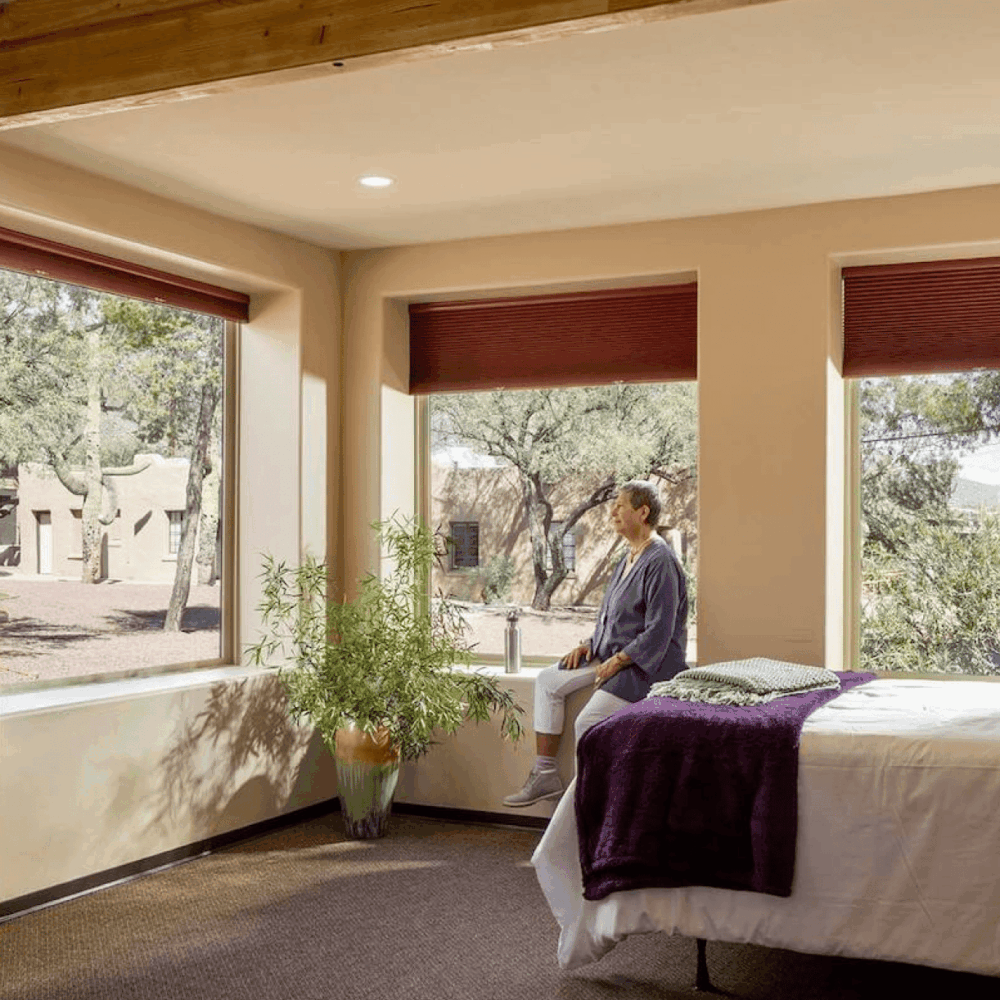
Many people arrive at Sabino Recovery feeling exhausted by their own nervous system. They have done the work, read the books, tried the therapies, and still feel like their brain is running a program they cannot switch off. That experience is not a personal failing. It is often the signature of unresolved trauma settling into the body and brain.
When the Brain Stays Stuck After Trauma
Trauma can leave the brain in a state of chronic vigilance. Sleep becomes shallow, focus fragments, small stressors feel enormous, and calm feels foreign. Neurofeedback therapy offers a way to work with these patterns at the level where they live, giving the brain a chance to learn what regulation actually feels like.
A Trauma-First Approach to Nervous System Healing
At Sabino, neurofeedback is not a standalone product. It is one integrated element of a residential treatment plan built around the belief that healing begins at the root. When the underlying trauma is addressed alongside the brain and body patterns it created, change tends to feel more sustainable.
Is Sabino Recovery the Right Fit for You?
Wondering if this level of care is what you actually need? Our admissions team can talk it through with you honestly, without pressure to commit to anything. Reach out to our team whenever you are ready.
What Is Neurofeedback Therapy and How Does It Support Trauma Recovery?
If your body reacts before your mind has caught up, if you feel wired and drained at the same time, or if calm feels unreachable no matter how much insight you have, there is a reason. Trauma changes how the brain communicates with itself, and neurofeedback therapy works directly with that communication.
How Trauma Affects the Brain and Nervous System
Unresolved trauma can leave the nervous system stuck in patterns of hyperarousal, shutdown, or an unpredictable mix of both. These patterns show up as anxiety, insomnia, emotional flooding, dissociation, difficulty concentrating, or the sense that you are always bracing for something. They are not character flaws. They are protective adaptations that the brain has not yet been given the safety to release.
What Neurofeedback Therapy Actually Does
Neurofeedback, sometimes called EEG biofeedback, monitors brainwave patterns including alpha, beta, delta, and theta waves using small sensors placed on the scalp. As you sit quietly and often watch a screen or listen to sound, the system provides real-time visual or auditory feedback whenever your brain moves toward healthier patterns. Over repeated sessions, the brain learns to regulate itself more efficiently, drawing on its natural neuroplasticity.
Most clients describe sessions as calm and low effort. You are not being asked to talk about the hardest parts of your story. You are giving your brain a chance to practice something different.
Neurotherapy for Trauma: A Brain-Based Path to Regulation
For people carrying trauma, this brain-based work can be especially meaningful. Insight alone does not always shift a dysregulated nervous system. Neurotherapy for trauma offers a path that does not depend solely on words, which is why it can be helpful for those who have found talk therapy alone incomplete. You can read more about how neurotherapy treats addiction and trauma as part of a broader plan.
Neurofeedback as Part of a Larger Healing Plan
At Sabino, neurofeedback is woven into a broader residential treatment plan alongside trauma-focused therapies, integrative medicine, and psychiatric care when appropriate. It is not offered as a bookable standalone service. It is one thoughtful piece of a personalized, co-created plan.
What Neurofeedback Therapy May Support
Healing looks different for everyone, and no therapy guarantees a specific outcome. That said, many clients who engage in neurofeedback within a broader trauma-focused plan report meaningful shifts over time.
Nervous System Regulation and Emotional Stability
- Greater sense of calm and steadiness
- Reduced feelings of being on edge or shut down
- More capacity to tolerate difficult emotions
Cognitive Clarity, Focus, and Sleep
- Improved focus and attention
- Clearer thinking and memory
- Deeper, more restorative sleep
Reduced Reactivity and Improved Coping
- Less intense reactivity to everyday stress
- Fewer trauma-related symptoms such as flashbacks or hyperarousal
- Stronger foundation for the coping skills you build in therapy
Is Trauma-First Residential Care Right for You?
It is common to feel unsure about whether residential treatment is the right step. You may be functioning on the outside while struggling privately, or you may be exhausted by cycles that have not shifted despite genuine effort. Both experiences are worth taking seriously.
Signs That Deeper Support May Be Needed
Deeper care may be worth considering when symptoms are affecting your work, relationships, or sense of self, when previous treatment addressed symptoms but not root causes, when you feel emotionally exhausted, or when you sense that you need time away from your current environment to actually heal.
When Outpatient Care May Not Be Enough
Outpatient therapy can be powerful, and for many people it is the right level of care. When trauma is layered, when symptoms are persistent, or when substance use is part of the picture, an immersive residential setting can offer the containment and consistency that weekly sessions cannot.
What It Means to Be Ready for Residential Treatment
Readiness rarely feels like certainty. It often feels like being tired of the same patterns and quietly willing to try something different.
Not sure whether residential care is the right fit? A brief conversation with our admissions team can help you think it through. You can speak with our admissions team whenever it feels right.

Nationally Recognized & Accredited




Contact our Admissions Team Today



How Sabino’s Approach Differs from Symptom-Focused Treatment
Many of the people who come to Sabino have already tried other forms of treatment. Programs that focused on the diagnosis, the substance, or the crisis of the moment, but did not reach the trauma underneath. That earlier work was not wasted, but it may explain why relief felt temporary.
Beyond Symptom Management: Addressing Root Causes
Symptoms tend to make more sense when you understand the trauma beneath them. Our program is built to work with root causes, so change does not depend on constantly managing surface behaviors.
Individualized Care vs. Track-Based Programs
We do not use fixed tracks or templates. Every plan is co-created with you, reviewed daily, and adjusted weekly. You have a voice in the therapies that support you, and your plan evolves as your needs become clearer.
Integrative Residential Treatment vs. Short-Term Stabilization
Short stabilization has its place, but it rarely creates lasting change on its own. Sabino’s integrative residential model, combining naturopathic and allopathic medicine with evidence-based and trauma-informed therapies, is designed for deeper healing rather than brief containment.
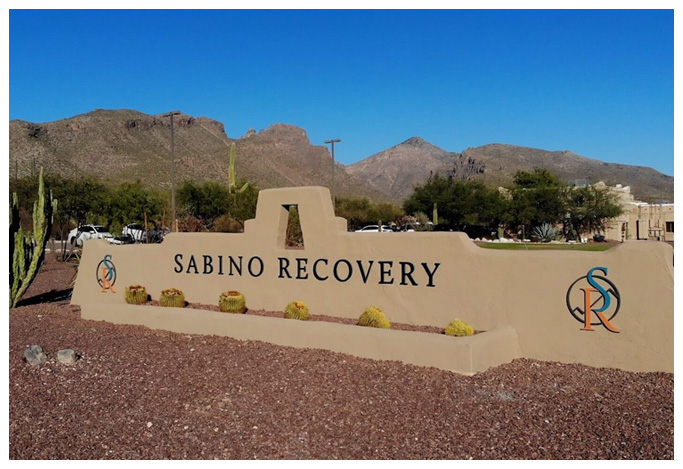

Why Sabino Recovery: A Trauma-First, Whole-Person Approach
What makes Sabino different is not a single feature. It is how the pieces work together, in a small, thoughtful setting, around one person at a time.
Trauma-First Philosophy and Individualized Care
Everything in our program starts from a trauma-first lens. Whether you are working through anxiety, depression, PTSD, developmental trauma, or substance use, we look at how unresolved trauma may be shaping your experience and build care around that understanding.
10+ Weekly One-on-One Sessions Across Disciplines
Clients receive 10 or more one-on-one sessions each week with therapists, medical providers, dietitians, and integrative specialists. Across a 35-day stay, that adds up to more than 50 personalized touchpoints with your care team.
A Calm, Private Desert Setting That Supports Healing
Our 140-acre, 30-bed campus in the Tucson desert offers quiet, privacy, and space to breathe. Trails, open sky, and simple, comfortable rooms give your system room to settle in ways a busier environment cannot.
Family Involvement and Alumni Connection
Healing is both personal and relational. When appropriate, our family program invites the people closest to you into the work, and our alumni community stays connected long after your stay is complete.

I am so happy that I chose Sabino to begin my recovery. I have suffered for years from depression, anxiety, panic disorder, and PTSD. The programs that are offered here at Sabino have been truly phenomenal in helping me recover. I also appreciated the professional staff that are here on duty 24/7, which helps create a safe environment. Sabino Recovery uses effective “one on one” methods that meet each person’s individual needs because they evaluate and have a better understanding of your personal traumatic experiences. Thanks Sabino, I am truly grateful to you and the sabino family.
Regina


Elements of the Residential Experience at Sabino Recovery
Healing rarely happens through a single modality. Neurofeedback is meaningful because it sits alongside other approaches that support the whole person.
QEEG Brain Mapping and Neurofeedback
A QEEG brain map helps your team understand how your brain is functioning, so neurofeedback can be tailored to your patterns rather than delivered generically. You can learn more about QEEG brain mapping and neurofeedback for trauma and how it shapes personalized care.
EMDR and Somatic Therapy for Trauma Processing
EMDR and somatic experiencing help the brain and body process trauma that words alone cannot reach. These therapies often complement neurofeedback, since a more regulated system can engage with trauma processing more safely.
Equine Therapy, Yoga, and Experiential Approaches
Equine-assisted psychotherapy, trauma-informed yoga, and other experiential modalities create space to practice presence, boundaries, and trust in real time, not just in conversation.
Psychiatric Care, Nutrition, and Integrative Medicine
We combine psychiatric care with naturopathic and integrative support, including nutrition, sleep support, acupuncture, and bodywork, so the whole system is being cared for at once.

Therapies That May Support Your Healing
These therapies are not separate tracks or add-on services. They are integrated elements of one individualized plan, chosen in collaboration with your care team.
Brain-Based and Trauma-Informed Modalities
- Neurofeedback and QEEG brain mapping
- EMDR therapy
- Somatic experiencing
- NARM (NeuroAffective Relational Model)
Mind-Body and Integrative Therapies
- Trauma-informed yoga and meditation
- Equine-assisted psychotherapy
- Acupuncture, massage, and bodywork
- Breathwork and mindfulness practices
Clinical and Medical Support
- Individual and group therapy
- Psychiatric evaluation and medication management when appropriate
- Nutrition and sleep support
- Family therapy and relational healing
Continuing Support After Residential Treatment
Leaving residential care can feel uncertain. What you build at Sabino is not meant to stay at Sabino, and our support does not end at discharge.
Transition Planning and Aftercare Coordination
Aftercare planning begins early in your stay, not at the end. Your team helps coordinate ongoing therapy, medical care, and community support so the transition feels grounded rather than abrupt.
Alumni Connection and Ongoing Community
Our alumni program is free and lifelong. It includes check-ins, a private alumni platform, community events, and refresher workshops that keep you connected to the people and practices that supported you.
Building a Foundation That Lasts Beyond Treatment
The goal is not simply feeling better while you are here. It is building a foundation of regulation, insight, and connection that continues to hold once daily life returns.
Take the Next Step Toward Healing
It takes real courage to consider treatment, especially if you have tried other approaches before. Whatever brought you to this page, you do not have to figure out the next step on your own.
You Do Not Have to Navigate This Alone
Our team understands how tiring it can feel to keep looking for the right kind of help. A conversation with us is simply a conversation, not a commitment.
Speak With Our Team to Learn More
When you are ready, we are here. You can contact Sabino Recovery to learn more about neurofeedback therapy and our trauma-first residential program.


Shara Turner, LPC, MSC, NCC, NARM
Shara brings to Sabino Recovery a unique perspective and skill set as she spent the majority of her earlier career in public health working with individuals dually diagnosed with a variety of substance use and mental health disorders, complex trauma, and extreme environmental and social inadequacies. The challenges faced in this arena have provided her with a strong base of practice in assessment, treatment, and case management.
Begin a Conversation With Sabino Recovery
If neurofeedback therapy and trauma-first residential care sound like they may fit what you are looking for, we would be glad to talk. There is no pressure and no obligation, just a real conversation about what you are experiencing and whether Sabino may be the right next step. Contact our admissions team whenever you are ready.