
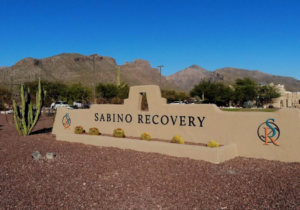
Developmental Trauma Treatment in Tucson, Arizona
At Sabino Recovery, we take a trauma-first approach to care. We recognize that many mental health and substance use concerns are connected to unresolved developmental trauma, and we help clients explore these root causes with compassion, individualized support, and clinically informed treatment.
Learn more about our broader approach to trauma treatment.

What is Developmental Trauma?
Unlike trauma tied to a single event, developmental trauma may result from patterns of experience over time, including:
- Emotional, physical, or sexual abuse
- Neglect or inconsistent caregiving
- Household instability
- Exposure to chronic conflict or fear
- Attachment disruption
- Repeated experiences of shame, abandonment, or invalidation
These experiences can affect emotional regulation, stress responses, self-concept, and the ability to build secure relationships. Many adults living with developmental trauma may not immediately identify their symptoms as trauma-related, especially when the effects have been present for much of their lives.
Signs and Effects of Developmental Trauma
Common effects may include:
- Difficulty regulating emotions
- Fear of abandonment or challenges with trust
- Persistent shame, guilt, or low self-worth
- Hypervigilance or feeling constantly on alert
- Dissociation or emotional numbness
- Chronic stress responses in the body
- Relationship difficulties
- Self-protective coping behaviors, including substance use or self-harm
- Symptoms of anxiety, depression, or post-traumatic stress
These patterns are not signs of weakness. They are often adaptations to environments that once felt unsafe. Treatment can help clients understand these responses, build stability, and begin healing from the root.
Explore how developmental trauma may overlap with PTSD treatment.

How Sabino Recovery Approaches Developmental Trauma
Our approach may include:
- Intensive individualized therapy
- Trauma processing techniques
- Nervous system regulation
- Attachment-focused work
- Somatic and experiential therapies
- Psychiatric and medical support when appropriate
- Integrative services that help clients reconnect with safety, presence, and embodiment
Care is never one-size-fits-all. We co-create each treatment plan based on the client’s history, needs, goals, and readiness for deeper work.
Learn more about our individualized therapy services.
Therapies That May Support Developmental Trauma Healing
EMDR Therapy helps clients reprocess distressing memories and reduce the emotional intensity attached to unresolved trauma. It can be especially useful when past experiences continue to shape present-day beliefs, triggers, and nervous system responses.
Deep Brain Reorienting, or DBR, tracks the physiological response when a person is exposed to trauma or attachment wounding. DBR is a brainstem-based therapy intended to help heal symptoms of PTSD, complex PTSD, anxiety, depression, and other mental health concerns. Clients often report feeling more embodied, calm, and connected to their vitality.
DBR may support clients in becoming more aware of how trauma is held in the body while building a stronger internal sense of safety.
The NeuroAffective Relational Model, or NARM, is a developmental trauma approach that focuses on attachment patterns, identity, emotional regulation, and the survival strategies that can form in response to early adversity.
Rather than centering only on past events, NARM helps clients explore how protective patterns continue to shape present-day relationships, self-perception, and coping. This can support greater agency, connection, and self-understanding.
Somatic Experiencing helps clients notice and work with body-based trauma responses in a gradual, regulated way. By tracking sensations, shifts in activation, and signs of nervous system stress, clients can begin to build more flexibility and resilience without becoming overwhelmed.
Developmental trauma often affects how a person relates to trust, closeness, boundaries, and belonging. Attachment-based therapy helps clients explore these relational patterns in a safe therapeutic environment and begin building healthier ways of connecting with others.
Neurofeedback may support nervous system regulation by helping clients observe and train patterns of brain activity. This can be especially valuable for individuals experiencing hyperarousal, stress reactivity, or difficulties with focus and emotional stability.
Contact Our Admissions Team Today



Developmental Trauma and Mental Health
At Sabino Recovery, we do not treat symptoms in isolation. We help clients understand how present-day struggles may connect to earlier experiences and provide support that addresses both immediate distress and deeper healing.
Learn more about our mental health treatment approach.
Developmental Trauma and Substance Use
For some individuals, substance use develops as a way to manage emotional pain, numb distress, or cope with trauma-related symptoms. These behaviors often make sense in context, even when they later create additional harm.
Sabino Recovery approaches substance use through a trauma-first lens. When developmental trauma and addiction concerns overlap, treatment can help clients explore the root causes beneath coping patterns while building healthier ways to regulate, respond, and recover.
Explore our support for co-occurring concerns through dual diagnosis treatment.
Nationally Recognized & Accredited



Testimonials

Regina
I am so happy that I chose Sabino to begin my recovery. I have suffered for years from depression, anxiety, panic disorder, and PTSD. The programs that are offered here at Sabino have been truly phenomenal in helping me recover. I also appreciated the professional staff that are here on duty 24/7, which helps create a safe environment. Sabino Recovery uses effective “one on one” methods that meet each person’s individual needs because they evaluate and have a better understanding of your personal traumatic experiences. Thanks Sabino, I am truly grateful to you and the Sabino family.
J.A.
A beautiful facility! Staff sets the tone and kindness that residents easily follow. Thank you, Sabino Recovery!
Pamela
The program at Sabino Recovery works! I emerged from an accumulation of unrecognized emotions, issues of trust, and unresolved grief and loss. 35-days of effective integration of customized quality therapy reconnected my mind, body, spirit, and I am worth it! I had masked emotions and hurtful events for decades with alcohol. At Sabino Recovery I safely focused deep within to unleash harmful secrets and self-degradation. Tools of recovery were practiced, not just presented. Integrative therapies were tailored to my circumstances, thus were effective. This residential program is like no other. For me, Sabino Recovery delivered what was professed. I am forever grateful for this gift of healing.
Mike
Life changing experience. Wonderful staff. Wonderful program. Thanks for everything!
Darcy
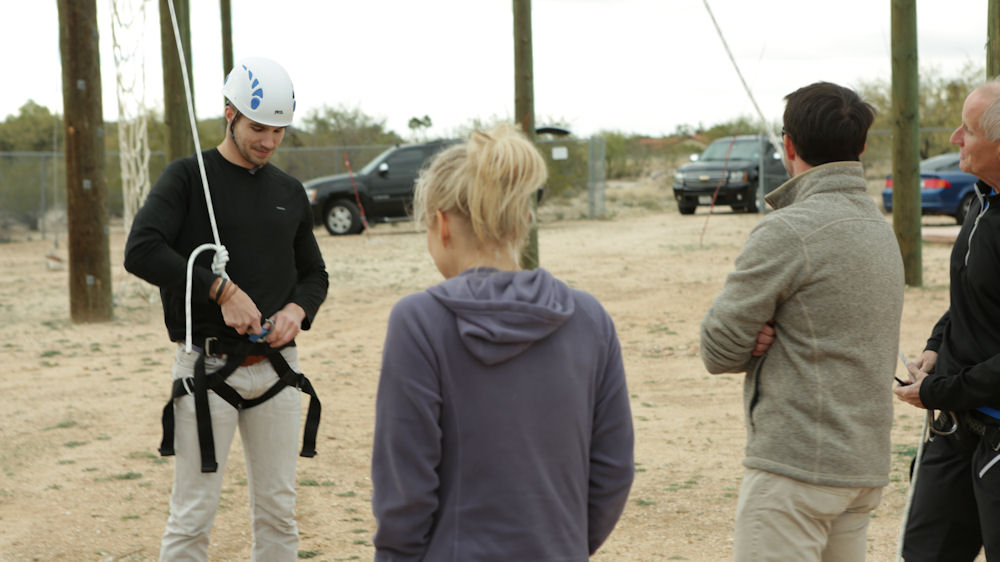
It was great to begin my recovery in a group environment with so many knowledgeable nurses, therapists, BHT’s, and others around for support. The equine therapy, challenge course, family week, and daily therapies all work together seamlessly, allowing me to leave Sabino as a healthier and stronger person!
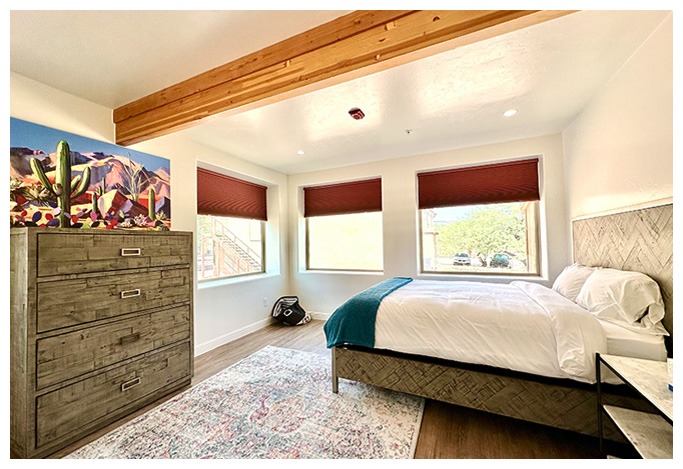
Developmental Trauma Treatment in a Residential Setting
Residential care allows clients to step away from daily stressors and focus fully on treatment through:
- Individualized therapy
- Integrative trauma-focused modalities
- Supportive group experiences
- Psychiatric and medical collaboration when appropriate
- Mind-body services that promote grounding and regulation
- Ongoing review and refinement of the treatment plan
This environment can be especially helpful for individuals whose symptoms are complex, persistent, or deeply rooted in developmental trauma.
Begin Healing From Developmental Trauma
At Sabino Recovery, we provide individualized support for adults navigating the effects of early trauma, mental health concerns, and co-occurring challenges. Contact our Admissions team today to learn more about treatment in Tucson, Arizona.