Understanding Prescription Drug Addiction
Prescription medications like painkillers and benzodiazepines are often used to manage real and significant health concerns—from chronic pain to anxiety. However, even when taken as prescribed, these medications can carry a risk of dependence.
Over time, what begins as symptom relief can shift into something more difficult to manage. Prescription drug addiction often develops gradually, making it harder to recognize until it begins affecting daily life.
This is especially true for medications like opioid-based painkillers and benzodiazepines such as Valium, both of which directly impact the brain’s reward and calming systems. For many individuals, this progression may require specialized support through a comprehensive addiction treatment approach.

Common Types of Prescription Drugs Linked to Addiction
While many medications have the potential for misuse, certain categories are more commonly associated with dependency.
Opioid Painkillers
Prescription painkillers like Vicodin (hydrocodone) are often used to treat moderate to severe pain. These medications bind to opioid receptors in the brain, reducing pain while also producing feelings of relaxation or euphoria.
Because of these effects, opioid medications carry a high risk of misuse and addiction—especially when taken beyond prescribed guidelines. In many cases, individuals benefit from targeted opioid addiction treatment to safely recover.
Benzodiazepines
Medications like Valium (diazepam) are commonly prescribed to manage anxiety, panic disorders, and muscle tension. They work by calming the central nervous system, helping individuals feel relaxed.
However, long-term use can lead to tolerance and dependence, particularly when used as a way to cope with ongoing emotional distress. Support for benzodiazepine use is often needed when dependence develops.
Other Prescription Medications
Beyond opioids and benzodiazepines, other substances—including stimulant medications and sleep aids—can also contribute to patterns of misuse.
Signs of Prescription Drug Addiction
Recognizing the signs of prescription drug addiction early can help prevent more serious consequences. These signs often fall into three main categories: physical, behavioral, and psychological.
Physical Signs
- Increased tolerance (needing higher doses for the same effect)
- Drowsiness or excessive sedation
- Slowed breathing or coordination issues
- Withdrawal symptoms when not using the medication
- Changes in sleep or appetite
Prescription drug use can begin to impact the body in noticeable ways, especially as dependence develops.
Behavioral Signs
- Taking medication more frequently than prescribed
- “Doctor shopping” to obtain additional prescriptions
- Withdrawing from relationships or responsibilities
- Neglecting work, school, or personal obligations
- Continued use despite negative consequences
These changes may reflect a growing reliance on the substance to cope with daily life.
Psychological Signs
- Strong cravings or preoccupation with the medication
- Increased anxiety, irritability, or mood swings
- Difficulty concentrating
- Depression or emotional numbness
- Loss of interest in previously enjoyed activities
In many cases, prescription drug use becomes closely tied to emotional regulation—especially when underlying mental health challenges are present.
The Link Between Trauma and Prescription Drug Use
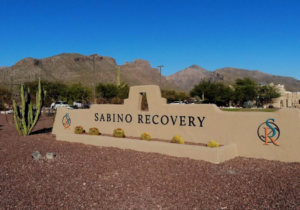
At Sabino Recovery, we understand that addiction is often connected to something deeper.
For many individuals, prescription drug use begins as a way to manage emotional pain, anxiety, or unresolved trauma. Over time, these substances can become a coping mechanism—temporarily easing distress while reinforcing dependence.
Without addressing the root causes, it can be difficult to break the cycle of use.
This is why trauma-informed care is essential. Healing involves more than stopping the medication—it involves understanding and working through the experiences that led to its use in the first place.
Risks of Long-Term Prescription Drug Misuse
Long-term misuse of prescription medications can have serious effects on both physical and mental health.
Physical Risks
- Respiratory depression (especially with opioids)
- Cognitive impairment and memory issues
- Increased risk of overdose
- Organ damage (such as liver complications from combination medications like Vicodin)
Mental and Emotional Risks
- Worsening anxiety or depression
- Emotional instability
- Increased isolation
- Co-occurring mental health conditions such as anxiety or depression
These risks highlight the importance of early intervention and compassionate support.
When to Seek Help
It may be time to seek professional support if you or a loved one is experiencing:
- Difficulty reducing or stopping medication use
- Withdrawal symptoms when not using
- Increasing reliance on medication to cope
- Negative impacts on relationships, work, or health
Seeking help is not a sign of failure—it’s a step toward healing. You can begin by exploring the admissions process or reviewing frequently asked questions.
How Trauma-Informed Treatment Supports Recovery
At Sabino Recovery, we provide care within a residential treatment setting as part of our comprehensive program designed to support whole-person healing.
Rather than focusing only on substance use, we help you explore and address the underlying causes—whether they involve trauma, anxiety, or other mental health challenges through personalized therapy approaches.
What Treatment May Include
Our approach is deeply individualized, often incorporating elements of dual diagnosis care to support both substance use and mental health needs.
You’re Not Alone—Healing Is Possible
Prescription drug addiction can feel overwhelming—but recovery is possible with the right support.
At Sabino Recovery, we offer a compassionate, trauma-first approach that helps you move beyond symptoms and toward lasting change. You can learn more about our philosophy on our About Us page or hear real stories through our alumni testimonials.
Begin Your Healing Journey
If you or someone you love is struggling with prescription drug use, you don’t have to navigate it alone.
Our caring team is here to support you with personalized, evidence-informed care every step of the way. You can also verify your coverage through our insurance verification page or explore more insights on our blog.
Contact Sabino Recovery today to begin your path toward healing.