
Most people think of residential treatment as a place to receive therapy. But the environment itself—the physical space, the pace of daily life, the distance from everyday stressors, and the sense of safety around you—is part of how healing can begin.

For mood disorders especially, the nervous system is often carrying the weight of chronic stress, emotional overwhelm, or unresolved trauma. In this state, setting matters. A calm, private, nature-based environment can help create the conditions for regulation, reflection, and deeper therapeutic work.

This article explores why environment is a meaningful part of treatment, not a luxury, and what to look for in a residential program designed to support lasting change.

Young man sitting alone reflecting emotional distress related to fentanyl use and addiction recovery

When Mood Disorders Don’t Respond to Standard Treatment

Residential treatment for mood disorders provides an immersive, structured environment that helps reduce daily stressors and triggers. A calm, safe setting can ease neurological and emotional distress, giving you more space to focus on recovery. Access to nature, predictable routines, and therapeutic spaces may also support nervous system regulation in ways that are difficult to access in a high-stress daily environment.

If you’ve tried therapy, medication, or both and still feel stuck, you’re not alone. Many people with mood disorders do everything “right” and still don’t experience the relief they hoped for. Weekly sessions, medication adjustments, self-help tools, and lifestyle changes may help, but they may not fully reach what is underneath the symptoms.

This can happen when mood concerns occur alongside anxiety, trauma, or substance use. When treatment focuses only on symptoms without addressing what may be driving them, relief can feel temporary. That is not a failure on your part. It may reflect the limits of symptom-focused care when the nervous system has not yet had the safety, support, and time it needs to heal.

What Mood Disorders Actually Involve

Mood disorders include conditions such as depression, bipolar disorder, persistent depressive disorder, and cyclothymia. Each can involve disruptions in emotional regulation, energy, cognition, sleep, relationships, and sense of self.

While mood disorders may have biological components, they are not purely chemical or genetic. Early adverse experiences, chronic stress, and nervous system dysregulation can all play a role in the way mood instability develops and persists.

The autonomic nervous system is central here. This system helps regulate the body’s stress response, including the balance between fight-or-flight activation and rest-and-restore states. When the nervous system has been in survival mode for a long time, the brain and body can struggle to return to steadiness.

Trauma history is also common among people living with mood disorders. This connection helps explain why healing often requires more than managing symptoms. It may require addressing the root experiences, patterns, and protective responses beneath them.

Why Environment Is a Clinical Variable

The environment where healing happens is not separate from the healing itself. It can become part of the therapeutic process.

Safety Is a Neurobiological Requirement

Your nervous system is constantly scanning your surroundings for signals of safety or threat. This happens automatically, often below conscious awareness. When the nervous system perceives danger, even subtle or ongoing stress, it can stay in a defensive state that makes deeper healing difficult.

This is why environment matters so much. When you are living in a chaotic, stressful, or triggering environment, your nervous system may remain on guard. A residential treatment setting can offer a protected space designed to feel calm, consistent, predictable, and relationally warm.

The nervous system does not heal well in a state of threat. It begins to soften when it feels safe enough to release what it has been holding.

Nature, Stillness, and the Nervous System

Natural environments can support mood, attention, and nervous system regulation. Time outdoors may help the body shift toward rest-and-restore states, reduce physical markers of stress, and create space for reflection.

A desert setting offers qualities that can be especially supportive for healing. Open space can reduce the feeling of constriction. Quiet can help the nervous system downshift. Natural beauty can gently restore a sense of connection, meaning, and possibility.

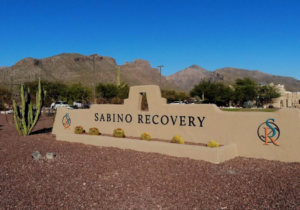
At Sabino Recovery, our serene 140-acre desert retreat in Tucson, Arizona was chosen with intention. The environment is not simply a backdrop to treatment. It supports the pace, privacy, and stillness that can help clients reconnect with themselves as they heal.

The Therapeutic Value of Removing Daily Stressors

Many people with mood disorders are also managing demanding careers, strained relationships, caregiving responsibilities, or relentless internal pressure. These stressors are not just inconveniences. Over time, they can interfere with nervous system recovery.

Residential treatment creates a protected container: a period of time when you can step away from external demands and focus more fully on healing. This is not avoidance. It is a deliberate, time-limited form of support that allows the deeper work to happen with consistency and care.

Stepping away from daily life is not easy or accessible for everyone. However, for those who are able to take that step, residential care can offer something outpatient treatment may not be able to provide: uninterrupted space to stabilize, reflect, and begin again.

What Residential Treatment for Mood Disorders Can Look Like

Understanding what thoughtful residential care involves can help you evaluate whether it may be right for you.

Individualized Assessment and Care Planning

Effective residential treatment begins with a thorough, individualized assessment. This goes beyond symptoms and diagnosis to include trauma history, nervous system patterns, relational dynamics, physical health, and what has or has not worked in the past.

Care plans are most supportive when they are co-created with you, not handed down as a fixed protocol. The most effective programs treat the person, not the diagnosis, and care evolves as you do.

At Sabino Recovery, clients receive 10 or more one-on-one sessions per week with therapists, medical providers, and integrative specialists. Treatment plans are reviewed daily and adjusted weekly based on each person’s evolving needs.

Evidence-Informed Therapies That Address Root Causes

Several therapeutic approaches may be especially helpful for mood disorders when delivered through a trauma-informed, nervous system-aware lens:

  • EMDR therapy can help the brain reprocess traumatic memories so they no longer create the same level of emotional or physiological distress.
  • Somatic approaches and trauma processing techniques can support the body in releasing stored tension that talk therapy alone may not reach.
  • Neurofeedback can help train the brain toward more regulated and stable patterns of activity.
  • Trauma-informed yoga and mindfulness therapy can support present-moment awareness and gentle nervous system regulation.
  • Equine therapy can provide meaningful, nonverbal feedback about connection, trust, boundaries, and regulation.

These are not simply amenities or add-ons. When thoughtfully integrated into care, they can become meaningful tools for helping the nervous system feel safe enough to heal.

The Role of Relational Safety

Mood disorders are often shaped by relational experiences, including attachment disruptions, chronic relational stress, or trauma within relationships. Healing, then, is not only individual. It is also relational.

The quality of the therapeutic relationship, the consistency of the care team, and the sense of being genuinely known and respected can all support healing. Individual therapy offers space for deeper personal work, while group therapy and support sessions can help clients practice connection in a safe, supported environment.

When appropriate, family therapy may also be an important part of the process. Mood disorders rarely exist in isolation from the family system, and healing can be strengthened when loved ones are invited into the work with care and intention.

How to Know If Residential Treatment Is the Right Step

This is a significant decision, and it is worth thinking through carefully.

Residential treatment may be appropriate when:


  • Mood symptoms have not responded adequately to outpatient therapy or medication management
  • Co-occurring trauma, anxiety, or substance use is complicating treatment
  • Your daily environment is actively interfering with recovery
  • You want more intensive, consistent support than weekly therapy can provide
  • You are looking for a protected period of time to focus more fully on healing

You do not have to be in crisis to benefit from residential care. Many people who seek this level of support are high-functioning individuals who have simply reached the limits of what less intensive care can offer.

If mood symptoms are occurring alongside substance use, a dual diagnosis treatment approach may help address both concerns with greater clarity and compassion.

What to Look for in a Residential Program

When evaluating your options, consider asking the following questions:

QuestionWhy It Matters
Does the program address root causes, or only symptoms?Trauma-informed care can support deeper and more sustainable healing.
Is the care plan built around you, or do you fit into a pre-existing track?True individualization means your treatment evolves with your needs.
What is the balance of one-on-one sessions, group work, and integrative care?More personalized attention can allow for deeper, more responsive care.
Is the setting calm, private, and supportive of regulation?Environment can directly affect the nervous system’s ability to soften and stabilize.
Does the program offer meaningful family support?Healing often extends beyond the individual.
What happens after residential treatment ends?Continuing care can help support the transition back into daily life.

These questions can help you distinguish between programs that offer genuine depth and those that rely on broad promises without meaningful structure.

Healing Is Possible

Healing from a mood disorder is not only about finding the right medication or the right therapy technique. It is also about creating the right conditions, both internally and externally, for the nervous system to move toward regulation, connection, and stability.

Considering residential treatment takes courage. It means acknowledging that what you have been doing may not be enough right now and being willing to try something different. That willingness is itself a form of strength.

At Sabino Recovery, our trauma-first residential treatment program is designed to support mood disorder healing at the root while honoring the full complexity of each client’s story. Care is individualized, co-created, and delivered in a calm, private desert setting intentionally designed to support nervous system healing.

If you are ready to explore what this level of care could look like, our admissions team is here to help you take the next step with compassion and clarity. Contact Sabino Recovery to begin the conversation.

Accessibility Toolbar

Mood Disorders and Residential Treatment: Why Environment Is Part of Healing

Clinically Reviewed by: Stephanie Ballard PhD, LPCC, CADC

Most people think of residential treatment as a place to receive therapy. But the environment itself—the physical space, the pace of daily life, the distance from everyday stressors, and the sense of safety around you—is part of how healing can begin.

For mood disorders especially, the nervous system is often carrying the weight of chronic stress, emotional overwhelm, or unresolved trauma. In this state, setting matters. A calm, private, nature-based environment can help create the conditions for regulation, reflection, and deeper therapeutic work.

This article explores why environment is a meaningful part of treatment, not a luxury, and what to look for in a residential program designed to support lasting change.

Young man sitting alone reflecting emotional distress related to fentanyl use and addiction recovery

When Mood Disorders Don’t Respond to Standard Treatment

Residential treatment for mood disorders provides an immersive, structured environment that helps reduce daily stressors and triggers. A calm, safe setting can ease neurological and emotional distress, giving you more space to focus on recovery. Access to nature, predictable routines, and therapeutic spaces may also support nervous system regulation in ways that are difficult to access in a high-stress daily environment.

If you’ve tried therapy, medication, or both and still feel stuck, you’re not alone. Many people with mood disorders do everything “right” and still don’t experience the relief they hoped for. Weekly sessions, medication adjustments, self-help tools, and lifestyle changes may help, but they may not fully reach what is underneath the symptoms.

This can happen when mood concerns occur alongside anxiety, trauma, or substance use. When treatment focuses only on symptoms without addressing what may be driving them, relief can feel temporary. That is not a failure on your part. It may reflect the limits of symptom-focused care when the nervous system has not yet had the safety, support, and time it needs to heal.

What Mood Disorders Actually Involve

Mood disorders include conditions such as depression, bipolar disorder, persistent depressive disorder, and cyclothymia. Each can involve disruptions in emotional regulation, energy, cognition, sleep, relationships, and sense of self.

While mood disorders may have biological components, they are not purely chemical or genetic. Early adverse experiences, chronic stress, and nervous system dysregulation can all play a role in the way mood instability develops and persists.

The autonomic nervous system is central here. This system helps regulate the body’s stress response, including the balance between fight-or-flight activation and rest-and-restore states. When the nervous system has been in survival mode for a long time, the brain and body can struggle to return to steadiness.

Trauma history is also common among people living with mood disorders. This connection helps explain why healing often requires more than managing symptoms. It may require addressing the root experiences, patterns, and protective responses beneath them.

Why Environment Is a Clinical Variable

The environment where healing happens is not separate from the healing itself. It can become part of the therapeutic process.

Safety Is a Neurobiological Requirement

Your nervous system is constantly scanning your surroundings for signals of safety or threat. This happens automatically, often below conscious awareness. When the nervous system perceives danger, even subtle or ongoing stress, it can stay in a defensive state that makes deeper healing difficult.

This is why environment matters so much. When you are living in a chaotic, stressful, or triggering environment, your nervous system may remain on guard. A residential treatment setting can offer a protected space designed to feel calm, consistent, predictable, and relationally warm.

The nervous system does not heal well in a state of threat. It begins to soften when it feels safe enough to release what it has been holding.

Nature, Stillness, and the Nervous System

Natural environments can support mood, attention, and nervous system regulation. Time outdoors may help the body shift toward rest-and-restore states, reduce physical markers of stress, and create space for reflection.

A desert setting offers qualities that can be especially supportive for healing. Open space can reduce the feeling of constriction. Quiet can help the nervous system downshift. Natural beauty can gently restore a sense of connection, meaning, and possibility.

At Sabino Recovery, our serene 140-acre desert retreat in Tucson, Arizona was chosen with intention. The environment is not simply a backdrop to treatment. It supports the pace, privacy, and stillness that can help clients reconnect with themselves as they heal.

The Therapeutic Value of Removing Daily Stressors

Many people with mood disorders are also managing demanding careers, strained relationships, caregiving responsibilities, or relentless internal pressure. These stressors are not just inconveniences. Over time, they can interfere with nervous system recovery.

Residential treatment creates a protected container: a period of time when you can step away from external demands and focus more fully on healing. This is not avoidance. It is a deliberate, time-limited form of support that allows the deeper work to happen with consistency and care.

Stepping away from daily life is not easy or accessible for everyone. However, for those who are able to take that step, residential care can offer something outpatient treatment may not be able to provide: uninterrupted space to stabilize, reflect, and begin again.

What Residential Treatment for Mood Disorders Can Look Like

Understanding what thoughtful residential care involves can help you evaluate whether it may be right for you.

Individualized Assessment and Care Planning

Effective residential treatment begins with a thorough, individualized assessment. This goes beyond symptoms and diagnosis to include trauma history, nervous system patterns, relational dynamics, physical health, and what has or has not worked in the past.

Care plans are most supportive when they are co-created with you, not handed down as a fixed protocol. The most effective programs treat the person, not the diagnosis, and care evolves as you do.

At Sabino Recovery, clients receive 10 or more one-on-one sessions per week with therapists, medical providers, and integrative specialists. Treatment plans are reviewed daily and adjusted weekly based on each person’s evolving needs.

Evidence-Informed Therapies That Address Root Causes

Several therapeutic approaches may be especially helpful for mood disorders when delivered through a trauma-informed, nervous system-aware lens:

  • EMDR therapy can help the brain reprocess traumatic memories so they no longer create the same level of emotional or physiological distress.
  • Somatic approaches and trauma processing techniques can support the body in releasing stored tension that talk therapy alone may not reach.
  • Neurofeedback can help train the brain toward more regulated and stable patterns of activity.
  • Trauma-informed yoga and mindfulness therapy can support present-moment awareness and gentle nervous system regulation.
  • Equine therapy can provide meaningful, nonverbal feedback about connection, trust, boundaries, and regulation.

These are not simply amenities or add-ons. When thoughtfully integrated into care, they can become meaningful tools for helping the nervous system feel safe enough to heal.

The Role of Relational Safety

Mood disorders are often shaped by relational experiences, including attachment disruptions, chronic relational stress, or trauma within relationships. Healing, then, is not only individual. It is also relational.

The quality of the therapeutic relationship, the consistency of the care team, and the sense of being genuinely known and respected can all support healing. Individual therapy offers space for deeper personal work, while group therapy and support sessions can help clients practice connection in a safe, supported environment.

When appropriate, family therapy may also be an important part of the process. Mood disorders rarely exist in isolation from the family system, and healing can be strengthened when loved ones are invited into the work with care and intention.

How to Know If Residential Treatment Is the Right Step

This is a significant decision, and it is worth thinking through carefully.

Residential treatment may be appropriate when:


  • Mood symptoms have not responded adequately to outpatient therapy or medication management
  • Co-occurring trauma, anxiety, or substance use is complicating treatment
  • Your daily environment is actively interfering with recovery
  • You want more intensive, consistent support than weekly therapy can provide
  • You are looking for a protected period of time to focus more fully on healing

You do not have to be in crisis to benefit from residential care. Many people who seek this level of support are high-functioning individuals who have simply reached the limits of what less intensive care can offer.

If mood symptoms are occurring alongside substance use, a dual diagnosis treatment approach may help address both concerns with greater clarity and compassion.

What to Look for in a Residential Program

When evaluating your options, consider asking the following questions:

QuestionWhy It Matters
Does the program address root causes, or only symptoms?Trauma-informed care can support deeper and more sustainable healing.
Is the care plan built around you, or do you fit into a pre-existing track?True individualization means your treatment evolves with your needs.
What is the balance of one-on-one sessions, group work, and integrative care?More personalized attention can allow for deeper, more responsive care.
Is the setting calm, private, and supportive of regulation?Environment can directly affect the nervous system’s ability to soften and stabilize.
Does the program offer meaningful family support?Healing often extends beyond the individual.
What happens after residential treatment ends?Continuing care can help support the transition back into daily life.

These questions can help you distinguish between programs that offer genuine depth and those that rely on broad promises without meaningful structure.

Healing Is Possible

Healing from a mood disorder is not only about finding the right medication or the right therapy technique. It is also about creating the right conditions, both internally and externally, for the nervous system to move toward regulation, connection, and stability.

Considering residential treatment takes courage. It means acknowledging that what you have been doing may not be enough right now and being willing to try something different. That willingness is itself a form of strength.

At Sabino Recovery, our trauma-first residential treatment program is designed to support mood disorder healing at the root while honoring the full complexity of each client’s story. Care is individualized, co-created, and delivered in a calm, private desert setting intentionally designed to support nervous system healing.

If you are ready to explore what this level of care could look like, our admissions team is here to help you take the next step with compassion and clarity. Contact Sabino Recovery to begin the conversation.

Table of Contents
Scroll to Top