
Finding the right trauma-focused residential treatment center can be difficult, especially when you’re looking for help with anxiety, depression, unresolved trauma or substance use that hasn’t improved with previous treatment. Unlike addiction-only programs or short-term psychiatric hospital stays, residential trauma treatment centers can provide sustained trauma treatment on site over the course of several weeks or months. This guide profiles seven residential treatment centers across the United States to help individuals and families compare their options.
These programs differ in meaningful ways. Some place trauma at the center of care, while others treat it within a broader mental health or addiction program. They also vary in how often clients meet individually with clinicians, which therapies are available, the residential setting, the level of family involvement and the structure of aftercare.
Each center in this guide is assessed using published program information across five factors: clinical approach, care intensity, available therapies, setting and continuing care. The rankings below reflect those criteria.
Evaluation Criteria
| Criteria | What It Means |
|---|---|
| Trauma-First Clinical Model | Whether trauma is central to treatment or addressed within a broader mental health or addiction program |
| Individualized Care Intensity | Frequency of one-on-one care, treatment plan reviews and opportunities to personalize therapy |
| Trauma Therapy Depth | Availability of evidence-informed trauma therapies and integrative treatment options |
| Setting and Privacy | Residential environment, access to nature, campus design and opportunities for privacy |
| Family and Continuing Care | Structured family participation, transition planning and ongoing support |
Best Trauma-Focused Residential Treatment Centers: 2026 Rankings
| Rank | Treatment Center | Trauma Model | Individual Care | Therapies | Setting and Privacy | Family and Aftercare |
|---|---|---|---|---|---|---|
| 1 | Sabino Recovery | Excellent. Trauma addressed as the root cause | Excellent. 10+ individual sessions weekly | Excellent. 25+ therapeutic modalities | Excellent. 140-acre private desert retreat | Excellent. 3.5-day family program and alumni support |
| 2 | The Guest House Ocala | Excellent. Trauma-centered programming | Strong. Personalized treatment | Strong. Experiential trauma therapies | Excellent. 52-acre estate | Good. Continuing care offerings |
| 3 | Milestones at Onsite | Excellent. Residential trauma therapy | Strong. Personalized 30- to 90-day care | Strong. Experiential and clinical therapies | Strong. Tennessee residential setting | Excellent. Monthly family program |
| 4 | Rogers Behavioral Health | Strong. Dedicated trauma recovery program | Strong. Structured clinical care | Excellent. Exposure-based PTSD treatment | Good. Home-like residence | Good. Transition and family support |
| 5 | Cottonwood Tucson | Strong. Trauma and co-occurring care | Good. Multidisciplinary approach | Strong. EMDR and somatic therapies | Strong. Sonoran Desert campus | Strong. Family program and outpatient care |
| 6 | Lindner Center of Hope | Good. Trauma within psychiatric care | Strong. Individualized assessment | Strong. Clinical and skills-based treatment | Good. Wooded residential campus | Good. Discharge planning |
| 7 | HopeWay | Good. Trauma within broader mental health care | Good. Weekly individual sessions | Good. CBT, DBT, and integrative therapies | Strong. Private bedrooms and grounds | Good. Visitation and transition planning |
1. Sabino Recovery: Best Overall for Trauma-First, Individualized Residential Treatment
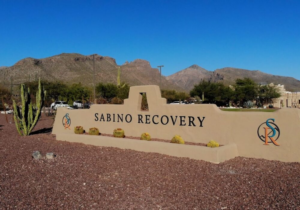
Sabino Recovery is a trauma-first residential treatment center, a category distinct from addiction-only rehab or general psychiatric hospitals. It treats trauma as the root cause of mental health and substance use struggles, rather than treating symptoms and substance use as separate problems. Each client works with clinicians to co-create an individualized care plan, which is reviewed daily and adjusted weekly so care evolves with progress. Clients receive 10 or more individual sessions per week across therapy, medical care, nutrition and integrative services, well above the one or two weekly sessions typical of many programs.
Sabino combines this individualized treatment approach with a broad range of clinical and mind-body options. Sabino offers more than 25 integrative therapies and modalities, including EMDR, neurofeedback, equine therapy, acupuncture, massage, and outdoor and adventure therapy, and clients choose each week which ones to join based on their goals. Sabino’s Sonoran Desert setting, with walking trails and horseback rides through the canyon, gives clients space to step away from daily pressures and focus on healing. Additionally, a structured 3.5-day family program and continuing alumni support extend care beyond the residential stay. Also of note, Sabino is accredited by The Joint Commission, whose Gold Seal of Approval is the most widely recognized quality and safety credential in U.S. healthcare.
Quick Facts:
- Setting: 140-acre private desert retreat with walking trails and horseback rides through the canyon; private rooms available
- Clinical approach: Trauma-first treatment center; 10+ one-on-one sessions per week; care plans reviewed daily and adjusted weekly; no fixed tracks; non-12-step
- Family and Aftercare: 3.5-day family program; alumni program with check-ins, events, support groups and workshops
- Accreditation: The Joint Commission; LegitScript certified; licensed by the Arizona Department of Health Services
| Summary of Online Reviews |
|---|
| Former clients point to Sabino’s “individualized attention” and say they “truly felt understood” throughout treatment. Others highlight the “ongoing support after treatment” and the range of therapies available to support their healing. Families appreciate that they were “included in the healing process.” |
2. The Guest House Ocala, for Experiential Trauma Therapy
The Guest House Ocala helps adults who are dealing with trauma, substance use problems, anxiety, depression and other similar issues. It’s located on a 52-acre estate in Silver Springs, near Ocala, Florida. The facility has walking trails, horseback riding areas and other outdoor features. The treatment program at The Guest House Ocala is tailored to each person. It uses EMDR, somatic experiencing, attachment-based therapy, mindfulness and equine-assisted activities. The program also includes one-on-one therapy, group therapy, medical care and hands-on treatments. Each client gets a plan that fits their needs. Both private and shared rooms are available.
Quick Facts:
- Setting: 52-acre private estate in Silver Springs, Florida, near Ocala National Forest; the facility includes landscaped grounds, walking trails, equestrian facilities and private and shared rooms
- Clinical approach: Trauma-centered treatment addressing substance use and mental health concerns; individualized care incorporating somatic experiencing, EMDR, attachment-based therapy and experiential modalities
- Family and Aftercare: Family programming; day/night treatment and outpatient aftercare options, including ongoing therapy and recovery support
- Accreditation: The Joint Commission accredited for Behavioral Health Care and Human Services
| Summary of Online Reviews |
|---|
| Families point to the “caring” staff who were “responsive to our concerns.” Former clients describe feeling “at ease” once they got to the facility. Some reviewers note that they felt a “lack of autonomy” in their treatment plan. |
3. Milestones at Onsite, for Family Involvement
Milestones at Onsite provides residential treatment for adults who are looking for support with trauma, anxiety, depression, codependency and related mental health concerns. The program (which typically ranges from 30 to 90 days) combines individual and group therapy with psychiatric support, experiential modalities and mind-body care. The facility, located in Tennessee, offers a clinical team of therapists, psychiatrists, nurses and other practitioners. Clients can also participate in a monthly family program. The program does not treat active addiction.
Quick Facts:
- Setting: 250-acre countryside campus in Cumberland Furnace, Tennessee, with walking trails, a creek, equine facilities and shared bedrooms with private bathrooms; single rooms may be available for an additional cost
- Clinical approach: Residential trauma treatment combining individual therapy, group work, experiential therapy, adventure therapy, equine therapy and mind-body practices; customized treatment schedules
- Family and Aftercare: Monthly family programming and individualized aftercare planning beginning during residential treatment
- Accreditation: Not listed on website
| Summary of Online Reviews |
|---|
| Former clients describe Milestones as “a safe place to land.” Others point to the “peaceful setting and supportive staff.” Some families wish there were more outside reviews or accreditation to “help us feel more confident in our choice.” |
4. Rogers Behavioral Health, for PTSD Recovery
Rogers Behavioral Health offers adult treatment for trauma and post-traumatic stress disorder (PTSD) in Oconomowoc, Wisconsin. The Trauma Recovery program is for adults who are dealing with PTSD and trauma-related symptoms. The program takes place in a residential setting. The facility uses clinical approaches such as behavioral therapy and prolonged exposure therapy. There are group sessions as well as individualized psychiatric support and outpatient services available. The time someone stays in the program depends on their clinical evaluation and how they are doing.
Quick Facts:
- Setting: Residential trauma recovery program in a home-like environment on the Oconomowoc, Wisconsin, campus; access to outdoor spaces and landscaped grounds
- Clinical approach: Specialized PTSD treatment using evidence-based cognitive behavioral interventions, including prolonged exposure therapy; individual therapy, structured programming and psychiatric support
- Family and Aftercare: Family involvement and treatment-team collaboration; transition planning to appropriate outpatient services, including partial hospitalization and intensive outpatient care
- Accreditation: The Joint Commission accredited
| Summary of Online Reviews |
|---|
| Families describe a “structured approach to treatment.” Clients mention they felt “safe and comfortable.” Some note “it was difficult going in not knowing how long my treatment would last.” |
5. Cottonwood Tucson, for Co-Occurring Disorder Treatment
Cottonwood Tucson provides care for adults dealing with PTSD, complex trauma and other conditions such as depression, anxiety and substance use disorders. Located on a 35-acre campus in the Sonoran Desert, it offers 24-hour support, psychiatric care, group treatment and medical services. Its trauma-focused therapies include EMDR, cognitive behavioral therapy (CBT), dialectical behavior therapy (DBT), narrative therapy and somatic experiencing. The center also incorporates arts into its treatment programs. Family programming and outpatient services are available as part of the care as well. The length of stay is based on individual treatment needs, and insurance verification can be done through the admissions process.
Quick Facts:
- Setting: 35-acre residential campus in the Sonoran Desert foothills near Tucson, Arizona; facility includes outdoor recreation areas and residential accommodations
- Clinical approach: Integrated treatment for trauma, mental health conditions and substance use disorders; multidisciplinary care incorporating EMDR, somatic experiencing, group therapy and psychiatric services
- Family and Aftercare: Structured family program; outpatient services, alumni meetings, reunions and continuing recovery resources
- Accreditation: CARF accredited; LegitScript certified; licensed to treat mental health and substance use disorders in Arizona
| Summary of Online Reviews |
|---|
| Former clients describe staff as “professional and friendly.” Others credit the program with helping them “feel safe and protected” while processing trauma. Some reviewers mention “getting a response took longer than expected.” |
6. Lindner Center of Hope, for Psychiatric Assessments
Lindner Center of Hope provides assessments and treatment for trauma symptoms, mood disorders, anxiety and other psychiatric conditions. The trauma recovery pathway at Sibcy House includes stabilizing, body‑based and grounding skills, developmental and relational trauma work and EMDR when it’s appropriate. Sibcy House offers a 10‑day assessment and a 28‑day treatment option.
Quick Facts:
- Setting: Sibcy House residential program on a 54-acre wooded campus in Mason, Ohio; the facility includes private bedrooms with bathrooms and access to outdoor grounds
- Clinical approach: Comprehensive psychiatric and psychological assessment followed by individualized treatment; dedicated trauma recovery pathway (this may include stabilization, somatic regulation, relational trauma work and EMDR as necessary)
- Family and Aftercare: Family visitation and participation in assessment feedback when authorized; written treatment recommendations and coordination with outpatient providers following discharge
- Accreditation: The Joint Commission accredited for Hospital and Behavioral Health Care; licensed and certified by Ohio Mental Health and Addiction Services
| Summary of Online Reviews |
|---|
| Clients mention “receiving a diagnosis was a good first step.” Others point to “caring and gentle staff.” Some note they “didn’t engage as much with other residents as I expected to.” |
7. HopeWay, for Group-Centered Therapy
HopeWay provides mental health treatment for adults age 18 and older in Charlotte, North Carolina. It serves individuals with trauma‑related disorders, depression, anxiety and other psychiatric conditions. The residential program features private bedrooms, 24‑hour staff support, weekly individual therapy and psychiatric appointments, and structured group sessions. Specifically, the clinical offerings include treatments like CBT, DBT, psychoeducation and integrative activities such as art, music, horticultural and recreational therapy. HopeWay’s average residential stay is 26 days with length adjusted to clinical needs. Individual therapy is offered up to three times per week.
Quick Facts:
- Setting: Residential mental health campus in Charlotte, North Carolina, with landscaped outdoor areas and 36 private bedrooms, each with an en-suite bathroom
- Clinical approach: Multidisciplinary psychiatric and psychological care incorporating cognitive behavioral therapy, dialectical behavior therapy, structured group programming and integrative activities; weekly individual therapy and psychiatry appointments
- Family and Aftercare: Family visitation encouraged; individualized discharge planning, outpatient referrals and coordination with continuing care providers
- Accreditation: The Joint Commission accredited for Behavioral Health Care and Human Services
| Summary of Online Reviews |
|---|
| Clients say the program helped them “better understand themselves” and “develop practical coping skills.” Some mention “the cost can be difficult to manage.” |
Best Residential Trauma Treatment Centers by Specialty
The right program depends on the individual’s symptoms, treatment history, preferences and support needs. The following rankings highlight three areas that prospective clients and families may want to prioritize.
Best for Individualized Trauma Care
| Rank | Treatment Center | Why It Stands Out |
|---|---|---|
| 1 | Sabino Recovery | 10+ weekly one-on-one sessions across clinical and integrative services, with co-created care plans reviewed daily and adjusted weekly |
| 2 | The Guest House Ocala | Individualized trauma treatment using EMDR, somatic experiencing and attachment-based approaches |
| 3 | Cottonwood Tucson | Multidisciplinary care combining psychiatric services, trauma-focused psychotherapy and integrative treatment |
Best for Comprehensive Psychiatric Assessment
| Rank | Treatment Center | Why It Stands Out |
|---|---|---|
| 1 | Lindner Center of Hope | 10-day residential psychiatric and psychological assessment at Sibcy House, followed by an optional 28-day treatment program |
| 2 | Sabino Recovery | Board-certified psychiatrists alongside integrative medicine, with sleep assessment and neurofeedback brain mapping at intake |
| 3 | Rogers Behavioral Health | Psychiatric support within a specialized PTSD recovery program |
Best for Family Involvement in Trauma Recovery
| Rank | Treatment Center | Why It Stands Out |
|---|---|---|
| 1 | Sabino Recovery | Structured 3.5-day family program and continuing alumni support for clients and families |
| 2 | Milestones at Onsite | Monthly family program focused on relationship patterns, communication and involving loved ones in treatment |
| 3 | The Guest House Ocala | Family programming alongside day/night and outpatient continuing care |
Finding the Right Trauma-Focused Residential Treatment Center
Choosing residential care is a significant decision. Beyond location and accommodations, it’s important to understand how often you’ll meet individually with clinicians, whether trauma treatment is central to the program, what therapies are available and how family members can participate.
At Sabino Recovery, trauma-first treatment brings these elements together through personalized clinical care, integrative therapies and ongoing support. Sabino Recovery’s admissions team works with clients and families across the country to understand their needs. From there, they determine whether residential treatment is an appropriate next step.
If you or someone you love is struggling with unresolved trauma, anxiety, depression or substance use, contact Sabino Recovery to explore your treatment options.
FAQ
What is a trauma-focused residential treatment center?
A trauma-focused residential treatment center is a live-in program where addressing trauma is a central goal of care, rather than a secondary component of addiction or psychiatric treatment. Clients typically stay for several weeks and receive structured therapy, medical support and other services on site.
How long does residential trauma treatment last?
Many programs last approximately 30 to 90 days, although some offer shorter assessment or stabilization stays. Sabino Recovery’s residential program has a 35-day minimum and can extend up to 90 days, with length based on each client’s clinical needs.
How do I know if I need residential care instead of outpatient therapy?
Residential care may be appropriate when outpatient treatment hasn’t provided sufficient improvement or symptoms are significantly affecting work, relationships or daily functioning. A clinical admissions assessment can help determine whether residential treatment, outpatient care or a more intensive level of medical support is appropriate.
This ranking of trauma-focused residential treatment centers is derived from publicly available information and independent third-party research conducted between January 2026 and October 2026. It is provided for informational purposes only and should not be interpreted as professional treatment guidance or a formal recommendation. Summaries of online reviews are paraphrased from publicly available reviews on platforms such as Google, and quoted phrases reflect the sentiment of those reviews rather than verbatim text. Clinical approach, treatment structure, available therapies, setting and continuing care may be subject to change, so those interested should confirm details directly with each facility. For more information on Sabino Recovery, visit https://www.sabinorecovery.com/.