
Anxiety and Depression Treatment in Tucson, Arizona
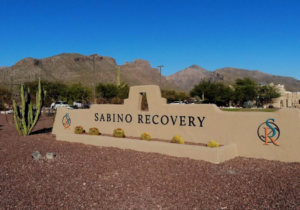
At Sabino Recovery, we provide anxiety and depression treatment in Tucson, Arizona, through a trauma-first approach. Rather than focusing only on symptom relief, our caring team helps clients explore the root causes beneath anxiety, depression, and related patterns so healing can begin at a deeper level.
Our individualized care plans may include evidence-informed therapy, integrative mind-body support, family involvement, and continuing care planning. Each plan is shaped around the person, not a fixed track, so treatment can respond to what you need as you move through the healing process.
Is Anxiety or Depression Affecting Your Life?
You may benefit from professional support if symptoms are affecting your work, relationships, sleep, appetite, self-care, or sense of hope. You do not have to wait until things feel unmanageable to ask for help.
Signs of Depression and Anxiety
Common signs of depression may include:
- Persistent sadness, emptiness, or hopelessness
- Loss of interest in activities or relationships
- Fatigue or low motivation
- Changes in sleep or appetite
- Difficulty concentrating
- Feelings of guilt, shame, or worthlessness
- Withdrawal from others
Common signs of anxiety may include:
- Excessive worry or fear
- Restlessness or feeling on edge
- Racing thoughts
- Muscle tension
- Panic symptoms
- Trouble sleeping
- Avoidance of certain places, people, or situations
If these symptoms feel familiar, compassionate support is available through Anxiety treatment and Depression Treatment services at Sabino Recovery.
Types of Depression and Their Symptoms
Depression is not one single experience. Understanding the type and pattern of depression can help guide more effective care.
Major depressive disorder may involve ongoing sadness, loss of interest, low energy, changes in sleep or appetite, and difficulty functioning in daily life. Some people also experience physical discomfort, slowed thinking, or feelings of hopelessness.
Persistent depressive disorder involves a long-term depressed mood that may feel like it has become part of everyday life. Symptoms may be less intense than major depression, but they can last for years and affect self-esteem, relationships, and motivation.
Postpartum depression can occur after childbirth and may involve sadness, anxiety, irritability, exhaustion, difficulty bonding, or feelings of overwhelm. This condition deserves compassionate care and should never be treated as a personal failure.
Atypical depression may include mood reactivity, increased sleep, increased appetite, heaviness in the body, and sensitivity to rejection. Like other forms of depression, it may be connected to deeper emotional pain, stress, or trauma history.
Contact Our Admissions Team Today



Types of Anxiety and Their Symptoms
Anxiety can also take many forms. A trauma-informed assessment can help identify how anxiety is showing up and what may be contributing to it.
Generalized anxiety may involve persistent worry about work, health, relationships, finances, or everyday responsibilities. It can also include fatigue, irritability, difficulty concentrating, muscle tension, and sleep disruption.
Panic symptoms can come on suddenly and may include a racing heart, sweating, shaking, shortness of breath, chest tightness, dizziness, or fear of losing control. These symptoms can feel frightening, even when they are not physically dangerous.
Social anxiety may involve intense fear of judgment, embarrassment, or rejection in social situations. Over time, it can lead to avoidance, isolation, and difficulty forming or maintaining relationships.
When Should You Seek Treatment for Anxiety & Depression?
Treatment may also be especially important when anxiety or depression coexists with trauma symptoms, substance use, chronic stress, or other mental health concerns. These challenges can reinforce one another, making it harder to heal without integrated support.
At Sabino Recovery, we understand that substance use, avoidance, perfectionism, emotional shutdown, or overworking may develop as ways to cope with pain. We approach these patterns with compassion and curiosity, helping clients understand what their symptoms are protecting and what needs care beneath the surface. Learn more about our approach to Mental Health treatment.
Trauma-First Anxiety and Depression Treatment
Our trauma-first model helps clients move beyond short-term symptom management and begin exploring the deeper roots of anxiety and depression. This may include early life experiences, attachment wounds, grief, relational trauma, chronic stress, or other events that shaped how the nervous system responds to safety, connection, and vulnerability.
For clients who need a structured healing environment, Sabino Recovery offers care within a residential setting. Learn more about our full Residential Treatment program.
Individualized Care for Anxiety and Depression
Treatment may include individual therapy, group support, family work, psychiatric support, integrative therapies, and body-based practices that help regulate the nervous system. Our goal is to help clients build insight, emotional stability, and practical tools for continued healing after treatment.
When anxiety, depression, and substance use occur together, our team can also provide support through Dual Diagnosis care.
Nationally Recognized & Accredited



Testimonials

Regina
I am so happy that I chose Sabino to begin my recovery. I have suffered for years from depression, anxiety, panic disorder, and PTSD. The programs that are offered here at Sabino have been truly phenomenal in helping me recover. I also appreciated the professional staff that are here on duty 24/7, which helps create a safe environment. Sabino Recovery uses effective “one on one” methods that meet each person’s individual needs because they evaluate and have a better understanding of your personal traumatic experiences. Thanks Sabino, I am truly grateful to you and the Sabino family.
J.A.
A beautiful facility! Staff sets the tone and kindness that residents easily follow. Thank you, Sabino Recovery!
Pamela
The program at Sabino Recovery works! I emerged from an accumulation of unrecognized emotions, issues of trust, and unresolved grief and loss. 35-days of effective integration of customized quality therapy reconnected my mind, body, spirit, and I am worth it! I had masked emotions and hurtful events for decades with alcohol. At Sabino Recovery I safely focused deep within to unleash harmful secrets and self-degradation. Tools of recovery were practiced, not just presented. Integrative therapies were tailored to my circumstances, thus were effective. This residential program is like no other. For me, Sabino Recovery delivered what was professed. I am forever grateful for this gift of healing.
Mike
Life changing experience. Wonderful staff. Wonderful program. Thanks for everything!
Darcy
It was great to begin my recovery in a group environment with so many knowledgeable nurses, therapists, BHT’s, and others around for support. The equine therapy, challenge course, family week, and daily therapies all work together seamlessly, allowing me to leave Sabino as a healthier and stronger person!
Therapeutic Approaches We May Use
Support That Continues After Treatment
Clients may also stay connected through Continuing Care and alumni support. This ongoing connection helps reinforce the tools, insights, and relationships built during treatment.
Begin Anxiety and Depression Treatment at Sabino Recovery
Our caring team is here to answer your questions and help you understand whether Sabino Recovery is the right fit for your needs. Contact our Admissions team to begin your healing journey.