
Choosing to pay privately for residential treatment is rarely just a financial decision. It often reflects a desire for privacy, clinical depth, and the freedom to focus fully on healing without outside parties shaping the course of care. At Sabino Recovery, we work with clients and families who have weighed their options carefully and want clarity about what this path actually looks like.
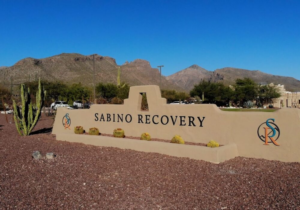
Our residential treatment program sits on 140 acres of quiet Tucson desert, where the pace, privacy, and environment are designed to support real reflection and recovery.
What It Means to Choose a Private Pay Treatment Center
A private pay treatment center is one where clients fund their care directly rather than relying on insurance to authorize, limit, or document treatment. For some, this is about confidentiality. For others, it is about access to a level of individualized clinical work that may not align with what insurance plans typically approve. Either reason is valid.
Who Typically Seeks Self-Pay or Out-of-Network Residential Care
We often hear from professionals, executives, clinicians, attorneys, public figures, and family members supporting a loved one. Many have tried other forms of treatment and are looking for something different: a place that addresses unresolved trauma at the root rather than focusing only on the most visible symptoms.
How Sabino Recovery Approaches Private Pay Admissions
Our admissions team is here to help you understand what care looks like, what a stay involves, and whether Sabino feels like the right fit. Conversations are private, unhurried, and focused on understanding you and your situation before any commitments are made. You can also learn more about our residential trauma treatment program to see how the full experience comes together.

Is Trauma, Mental Health, or Addiction Impacting Your Life?
Take The First Step To True Healing Today!
Why Some People Choose Private Pay Mental Health Treatment
The reasons people choose private pay residential care are usually layered. Privacy matters. Clinical fit matters. And for many, the freedom to engage in deeper trauma work, without an authorization clock ticking in the background, matters most of all.
When someone is finally ready to address root causes rather than manage surface symptoms, they often need a kind of support that insurance-driven processes are not always designed to accommodate.
Privacy and Confidentiality Without Using Insurance
When treatment is funded privately, there is no insurance claim tied to a mental health or substance use diagnosis. Some individuals choose this path specifically to keep a diagnosis off their insurance record, which can affect future coverage, life insurance eligibility, or professional licensing in certain fields. For people in sensitive careers or public roles, this layer of confidentiality can make seeking care feel safer.
Access to Truly Individualized, Trauma-First Care
Within our trauma-focused residential model, your treatment plan is co-created with your care team and adjusted as your needs evolve. There are no tracks or templates. Private pay does not buy a different program. It allows you to engage fully with one that is built around the individual from the start.
Freedom From Insurance-Driven Treatment Limitations
Insurance authorization for residential mental health treatment often limits the number of approved days based on medical necessity criteria, which can result in discharge before a client and their clinical team feel the work is complete. Private pay can offer more flexibility to let length of stay match clinical readiness rather than an external timeline.
When Clinical Fit Matters More Than Network Status
For some, the most important question is not whether a program is in-network, but whether it can actually meet their needs. Trauma history, co-occurring concerns, and past treatment experiences all shape what kind of care will feel safe and effective.
What to Expect: Key Details of Private Pay Residential Treatment
Knowing what to expect can make a difficult decision feel a little less overwhelming. Here is how private pay residential care typically takes shape at Sabino Recovery.
Residential Level of Care: What It Includes
Residential treatment provides 24-hour clinical and medical support in a structured environment designed to support stabilization and deeper therapeutic work. You can read more about the difference between residential and outpatient care if you are still weighing levels of care.
Program Length and How It Is Determined
Length of stay is shaped by clinical needs, trauma history, nervous system stabilization, and the depth of the work you and your team identify together. Some stays are closer to 35 days, while others extend toward 90. If you want a sense of how this plays out for specific concerns, our overview of how long residential treatment may last offers more context.
The Admissions Process for Self-Pay and Out-of-Network Clients
The process usually begins with a confidential conversation. Our team listens, asks about your history and goals, and helps you understand fit, cost context, and logistics. Out-of-network benefits under some commercial insurance plans may allow partial reimbursement for residential treatment even when a facility does not accept insurance directly, and our team can help you understand what that might involve. You can also review our admissions and payment information for additional details.
How Treatment Plans Are Built and Adjusted Over Time
Your plan is reviewed daily and adjusted weekly. As your needs become clearer, your care evolves with them, rather than locking you into a path chosen on day one.
How Care Is Personalized Within a Private Pay Program
Private pay care should not feel like choosing from a menu of upgrades. It should feel like a clinical experience that is genuinely responsive to who you are, what you have been through, and what you need now.
You receive 10 or more one-on-one sessions per week with therapists, medical providers, dietitians, and integrative specialists. That depth of individual time supports trauma-focused work that simply cannot happen in heavily group-based models.
Clients may choose from a wide range of integrative, trauma-informed therapies based on clinical recommendations and personal preference, including EMDR, somatic experiencing, neurofeedback, equine therapy, and trauma-informed yoga. These are woven into your plan to support nervous system regulation and whole-person healing, not offered as standalone services.
Our multidisciplinary treatment team brings naturopathic and allopathic medicine together, supporting psychiatric stability, physical health, sleep, and nutrition as part of one integrated experience. This matters especially when co-occurring disorders are part of the picture.
Healing is both personal and relational. When clinically appropriate, family members can participate in our family program, supporting communication, understanding, and repair in the relationships that matter most.
What Private Pay Residential Treatment May Support
Healing looks different for everyone. The goal of residential care is not a fixed endpoint but a stronger, more grounded foundation for the life that follows.
When there is time and safety to slow down, the patterns underneath anxiety, depression, substance use, or chronic overwhelm often come into clearer view. Addressing those root causes can support changes that feel more durable.
Many clients arrive with a nervous system that has been in overdrive for years. Trauma-focused therapies, somatic work, and brain-based modalities like neurofeedback are designed to support nervous system regulation over time.
With consistent therapeutic support, clients often build a clearer understanding of their own triggers, needs, and patterns, along with coping skills that feel sustainable rather than performative.
Discharge planning begins early. The work done during your stay is meant to translate into the relationships, routines, and choices waiting for you at home.
Is Private Pay Residential Treatment Right for You?
Residential care is a significant commitment. Private pay residential care, in particular, is not the right fit for everyone, and it does not need to be. The question is whether this level of support, in this kind of setting, may be what you actually need right now.
Signs That Residential-Level Care May Be Needed
For some, outpatient support is no longer enough to hold the weight of what is going on. If you are feeling unsafe, profoundly exhausted, or unable to function in daily life, residential care may offer the structure and support that outpatient settings cannot. Our overview of when residential treatment may be appropriate can help you think this through.
When Previous Treatment Has Not Addressed the Root Cause
Many clients come to us after multiple rounds of therapy, medication adjustments, or shorter stays elsewhere. They often describe feeling better for a while, then circling back to familiar patterns. This is frequently a sign that unresolved trauma has not been fully addressed.
Considering Privacy, Confidentiality, and Professional Concerns
If privacy is a meaningful part of why you are exploring options, private pay can offer a level of confidentiality that insurance-based care typically cannot. This may matter most for clinicians, attorneys, executives, and others whose careers carry licensing or disclosure considerations.
How to Start a Conversation With the Admissions Team
You do not have to have everything figured out before you reach out. A first conversation can simply be a way to gather information and see how you feel.
Contact Our Admissions Team Today
- I Need Treatment For MYSELF
- A Loved One
- A Client

Private Pay vs. Insurance-Based Residential Treatment: Understanding the Difference
Both private pay and insurance-based residential treatment have a place, and the right choice depends on what you and your loved ones need. The differences are mostly structural, not moral.
How Insurance Authorization Can Shape Treatment Decisions
Insurance reviewers determine how many days are approved based on documented medical necessity. Clinical teams may then need to advocate for extensions, sometimes resulting in earlier discharges than feel ideal.
Track-Based Programs vs. Individualized Residential Care
Many programs assign clients to a track, such as trauma, substance use, or dual diagnosis, and deliver a similar experience to everyone in that track. Sabino does not use tracks. Care is co-created from the start.
Short-Term Stabilization vs. Deeper Trauma-Focused Work
Short stays can offer real stabilization, which matters. Deeper trauma work, however, often requires more time, more one-on-one therapeutic support, and a setting where the nervous system can begin to settle.
What Out-of-Network Residential Treatment May Offer
Out-of-network residential treatment can sometimes blend the benefits of both worlds: clinical depth and individualization, alongside potential partial reimbursement depending on your plan.
What Sets Sabino Recovery Apart as a Private Pay Treatment Center
What makes private pay care worth considering is not amenities. It is the depth, responsiveness, and intentionality of the clinical experience.
A Trauma-First Philosophy That Addresses Root Causes
We look beneath symptoms to understand the unresolved trauma and life experiences that may be shaping how you feel, cope, and relate to yourself and others. This shapes every part of care.
Truly Individualized Care: 10+ One-on-One Sessions Per Week
With more than 50 personalized touchpoints during a typical stay, our model is built around individual time with skilled providers, not group-only delivery.
A Multidisciplinary Team and Integrative Treatment Model
Therapists, psychiatric providers, medical staff, dietitians, and integrative specialists work together so your care is coordinated and whole-person, not fragmented.
A Calm, Private Desert Setting That Supports Healing
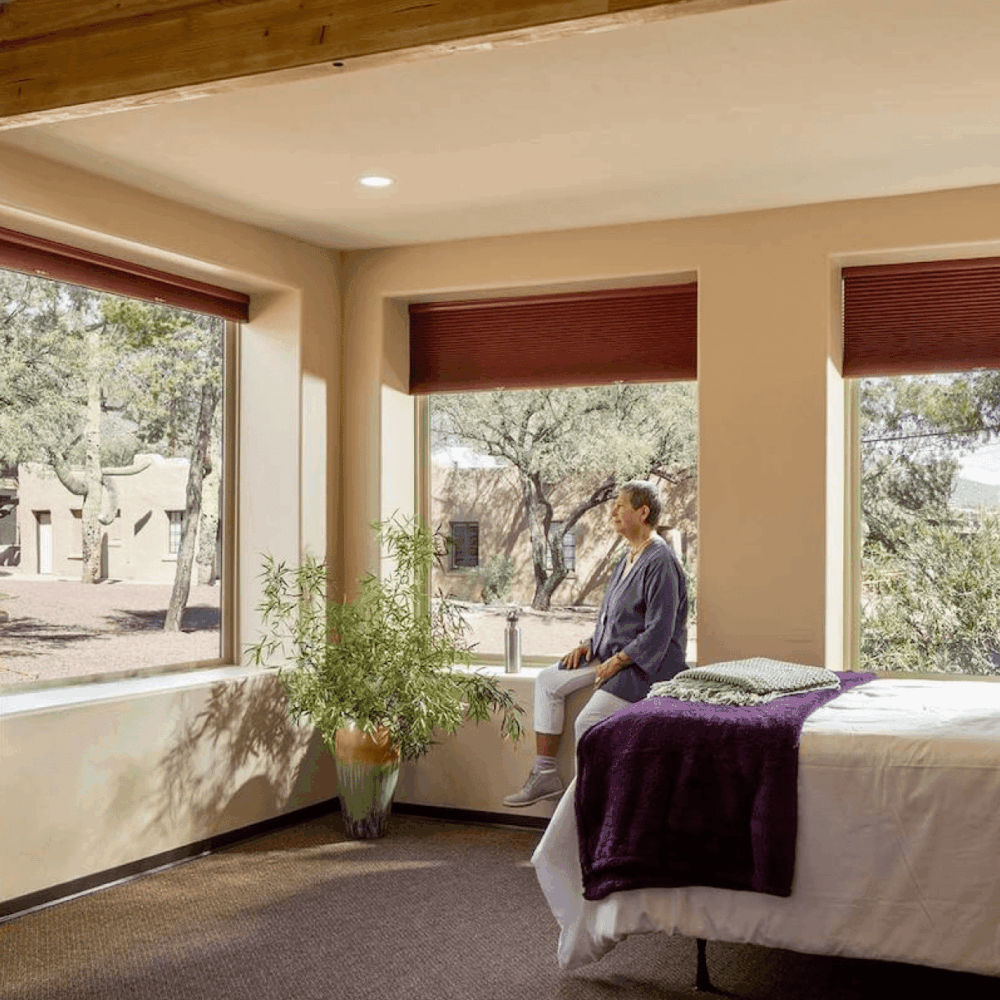
Our 140-acre Tucson property offers walking trails, quiet outdoor spaces, and a privacy that is hard to find in busier clinical environments. The setting itself is part of the healing.
Elements of the Private Pay Residential Experience at Sabino
A typical week may include individual therapy, integrative therapies, time outdoors, body-based modalities, medical care, and reflection. These are not add-ons. They are woven into one personalized plan.
Trauma-Focused Therapy Including EMDR and Somatic Approaches
EMDR and somatic experiencing support the processing of difficult memories and stored stress responses, helping the body and mind move toward greater regulation.
Neurofeedback and Brain-Based Healing Modalities
Neurofeedback is one of the integrative therapies we may incorporate into a client’s residential treatment plan to support nervous system regulation and trauma recovery.
Equine Therapy, Yoga, and Experiential Supports
Equine-assisted psychotherapy, trauma-informed yoga, and other experiential supports help you reconnect with your body, build trust, and translate insight into felt experience.
Nutrition, Acupuncture, and Integrative Wellness Within the Plan
Nutritional support, acupuncture, massage, breathwork, and other mind-body options may be included based on what supports your healing, not what fills a schedule.

What Your Private Pay Treatment Plan May Include
This is not a list of products. It is a reflection of the breadth of care available within one residential model.
Clinical and Trauma-Focused Therapies
- Individual therapy with a primary therapist
- EMDR for trauma processing
- Somatic experiencing and trauma-focused modalities
- Cognitive Behavioral Therapy and Dialectical Behavior Therapy
- Group therapy and process groups
Integrative and Mind-Body Modalities
- Neurofeedback and brain mapping
- Equine-assisted psychotherapy
- Trauma-informed yoga and meditation
- Acupuncture, massage, and breathwork
- Movement, nature, and experiential supports
Medical, Psychiatric, and Family Support Services
- Psychiatric evaluation and ongoing care
- Naturopathic and allopathic medical support
- Nutritional assessment and dietitian support
- Sleep evaluation when clinically indicated
- Family program participation, when appropriate
Support Beyond Your Stay: Continuing Care After Private Pay Residential Treatment
Leaving residential treatment can feel uncertain. The transition matters, and our approach is designed to help that next chapter feel supported rather than abrupt.
Transition Planning and Step-Down Support
We begin discharge planning early in your stay, helping coordinate next steps such as outpatient therapy, psychiatric follow-up, or step-down levels of care that match your needs.
Alumni Connection and Ongoing Resources
Our alumni community offers ongoing connection, check-ins, refreshers, and a private online space, so the relationships and tools built during treatment continue to support you.
How Family Involvement Continues After Treatment
Family work does not end at discharge. Continued resources and connection help loved ones support the changes you have worked hard to begin.

The program at Sabino Recovery works! I emerged from an accumulation of unrecognized emotions, issues of trust, and unresolved grief and loss. 35-days of effective integration of customized quality therapy reconnected my mind, body, spirit, and I am worth it! I had masked emotions and hurtful events for decades with alcohol. At Sabino Recovery I safely focused deep within to unleash harmful secrets and self-degradation. Tools of recovery were practiced, not just presented. Integrative therapies were tailored to my circumstances, thus were effective. This residential program is like no other. For me, Sabino Recovery delivered what was professed. I am forever grateful for this gift of healing.
Pamela


Take the Next Step Toward Private Pay Residential Care
Reaching out is not a commitment. It is a conversation, and often a meaningful first step in a longer process of healing.
How to Reach the Sabino Recovery Admissions Team
Our admissions team is available to answer questions, listen to your story, and help you understand whether Sabino feels like the right fit. You can call or send a message at the pace that feels right for you.
What to Expect When You Contact Us
Expect to be listened to first. We will ask about what is going on, what you have tried, and what you are hoping for. From there, we can talk through fit, cost context, logistics, and any concerns about privacy or confidentiality, with no pressure to decide anything in that first call.


When You Are Ready, We Are Here
You do not need to have every answer before reaching out. Whether you are exploring private pay residential treatment for yourself or someone you love, a calm, confidential conversation can help clarify your next step. Contact our admissions team whenever the timing feels right.
Begin your healing journey today at our
Residential Treatment Center
Our knowledgeable staff will guide you through a tailored program designed to address your unique needs. You will
participate in therapy sessions, group activities, and educational workshops that target the core issues of trauma, mental health, and addiction.
Sabino Recovery, a Residential Treatment Center in Tucson, AZ, where trauma healing begins, and lives change for good.