At Sabino Recovery, we understand that stimulant use is often more than a habit — it is a response to overwhelming stress, unresolved trauma, or a nervous system pushed past its limits. Whether it involves cocaine, methamphetamine, prescription stimulants, or other activating substances, stimulant addiction can take a profound toll on your emotional, physical, and relational well-being.
Our trauma-first residential treatment center in Tucson, Arizona provides a calm, supportive environment where you can safely step away from the pressures that fuel stimulant use and begin healing at the root. Through individualized therapy, nervous-system regulation, and deeply compassionate care, you have space to reconnect with yourself and rebuild a foundation for long-term stability.
If you or someone you love is struggling, you’re not alone — and healing is possible.

“Stimulants” is a broad term for substances that increase activity in the brain and central nervous system. These can include:
- Cocaine
- Methamphetamine
- Prescription ADHD medications (Adderall, Ritalin, Vyvanse)
- MDMA/ecstasy
- Caffeine and other legal stimulant compounds
While some stimulants have legitimate medical uses, misuse can quickly lead to dependence, emotional dysregulation, and harmful patterns of coping.
Many individuals turn to stimulants to push through exhaustion, numb painful emotions, increase productivity, or escape the weight of trauma. Over time, this cycle can become deeply entrenched — but it can also be healed with the right level of support.
How Stimulants Affect the Brain and Body
Stimulants temporarily increase energy, focus, and alertness by stimulating the central nervous system. But with repeated use, they can:
Impact the Mind:
- create intense but short-lived euphoria
- heighten anxiety and agitation
- lead to obsessive thinking or compulsive behaviors
- trigger panic, paranoia, or hallucinations with heavy use
Impact the Body:
- strain the cardiovascular system
- disrupt appetite and digestion
- contribute to chronic exhaustion or sleep disturbances
- increase risk of neurological damage
These effects often worsen as tolerance builds and the nervous system becomes dependent on stimulants to feel “normal.”
Signs and Symptoms of Stimulant Addiction
Stimulant addiction often impacts multiple areas of life. Symptoms may look different for each person, but common signs include:
Behavioral Symptoms
- Increased risk-taking or impulsive behaviors
- Obsessive focus on obtaining or using the stimulant
- Social withdrawal or isolation
- Difficulty fulfilling responsibilities at home, work, or school
Physical Symptoms
- Weight loss or appetite changes
- Rapid heartbeat or chest discomfort
- Muscle weakness or tremors
- Severe sweating or chills
- Insomnia or disrupted sleep patterns
Emotional & Cognitive Symptoms
- High anxiety, agitation, or irritability
- Periods of elevated energy followed by emotional “crashes”
- Paranoia or heightened fear responses
- Difficulty concentrating without the substance
Dependence and Tolerance
Over time, stimulants alter dopamine and norepinephrine pathways in the brain, leading to:
- needing higher doses for the same effect
- feeling unable to function without the substance
- intense cravings during attempts to cut back
These symptoms are not signs of failure — they are signs your nervous system needs help, care, and stabilization.
Nationally Recognized & Accredited
Cocaine and Other High-Risk Stimulants
Cocaine and methamphetamine carry particularly high risks for psychological dependence due to their fast onset and intense dopamine release. Signs may include:
- severe crashes between uses
- nasal irritation or nosebleeds (cocaine)
- heightened paranoia or sensory sensitivity
- impulsive decision-making
- emotional numbing followed by deep shame or overwhelm
If you originally came to this page seeking cocaine addiction treatment, you’re in the right place. All cocaine-related care now lives within this comprehensive stimulant treatment resource, ensuring one clear path to trauma-informed healing.
Trauma and Stimulant Addiction
Many individuals who struggle with stimulant addiction are also carrying unresolved trauma, anxiety, or chronic stress. Stimulants can:
- temporarily increase a sense of control
- push down painful emotions
- create a feeling of productivity or worthiness
- override exhaustion caused by trauma responses
Without healing the root trauma, stopping stimulant use alone often isn’t enough. At Sabino Recovery, we help you understand why the cycle developed — and guide you toward healthier ways of regulating your nervous system.
Contact our Admissions Team Today

Stimulant Addiction Treatment at Sabino Recovery
Our approach is designed around you — your history, your nervous system, and your healing goals. We focus on restoring balance, building emotional regulation, and treating the trauma that fuels stimulant use.
Your treatment plan may include:
- 10+ individual sessions per week
- evidence-based trauma therapies
- neurotherapies for brain and nervous-system support
- integrative mind-body modalities
- medical and psychiatric care
- nutritional support and sleep optimization
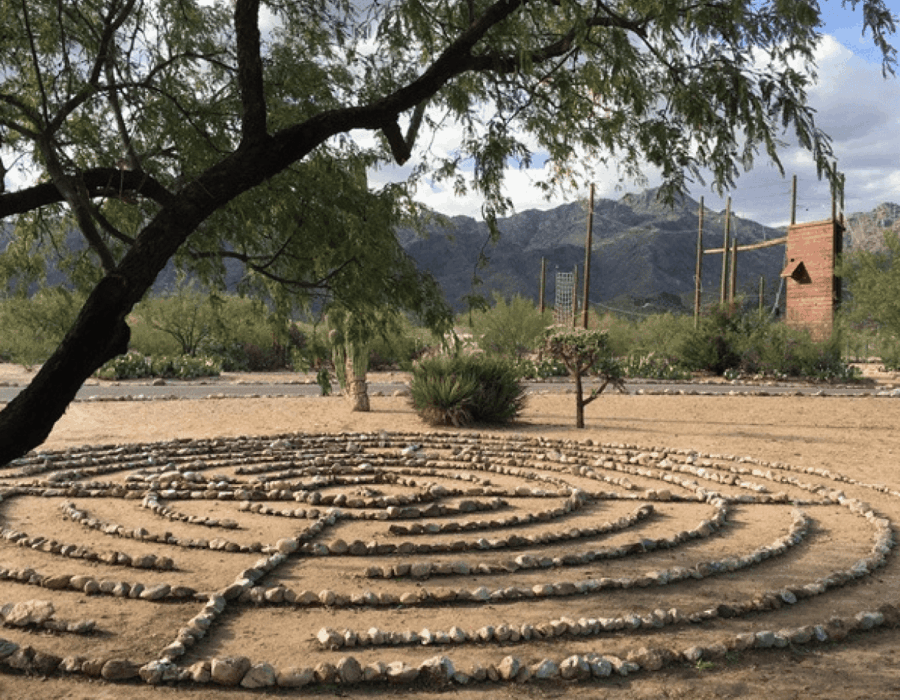
- experiential therapies rooted in nature and connection
Healing is not linear — but with the right support, it is absolutely possible.
Therapeutic Approaches for Stimulant Addiction
Sabino Recovery blends clinical excellence with compassionate, trauma-informed care. Depending on your needs, your plan may include:
NARM supports healing of relational and developmental trauma patterns.
EMDR helps reprocess painful memories that fuel stimulant use.
Brainspotting targets deeper emotional and neurological activation points.
Build skills for emotional regulation, cravings management, and healthy decision-making with cognitive behavioral therapy & dialectical behavior therapy.
Support nervous-system stabilization through body-based healing.
Improve cognitive clarity, emotional balance, and nervous-system resilience.
Family Therapy strengthens communication and helps rebuild healthy support systems.
- Equine therapy
- Trauma-informed yoga and movement
- Mindfulness and meditation
- Art and expressive therapies
- Acupuncture, massage, and breathwork

The program at Sabino Recovery works! 35-days of effective integration of customized quality therapy reconnected my mind, body, spirit, and I am worth it! I had masked emotions and hurtful events for decades with alcohol. At Sabino, tools of recovery were practiced, not just presented. Integrative therapies were tailored to my circumstances, This residential program is like no other. For me, Sabino Recovery delivered what was professed. I am forever grateful for this gift of healing.
Pamela


Residential Treatment for Stimulant Addiction
For many individuals, immersive care provides the safest and most supportive environment for healing.
At Sabino Recovery’s residential trauma treatment center, clients receive round-the-clock care, therapy, and integrative support designed to stabilize the nervous system and address stimulant use at its root. This level of care is especially helpful if stimulants have become a primary coping mechanism or if withdrawal feels overwhelming.
Learn more about our full residential trauma treatment program.
Begin Your Healing Journey
Sabino Recovery is here to help you reclaim your life with evidence-based, trauma-informed care.
Reach out today to begin your healing.